
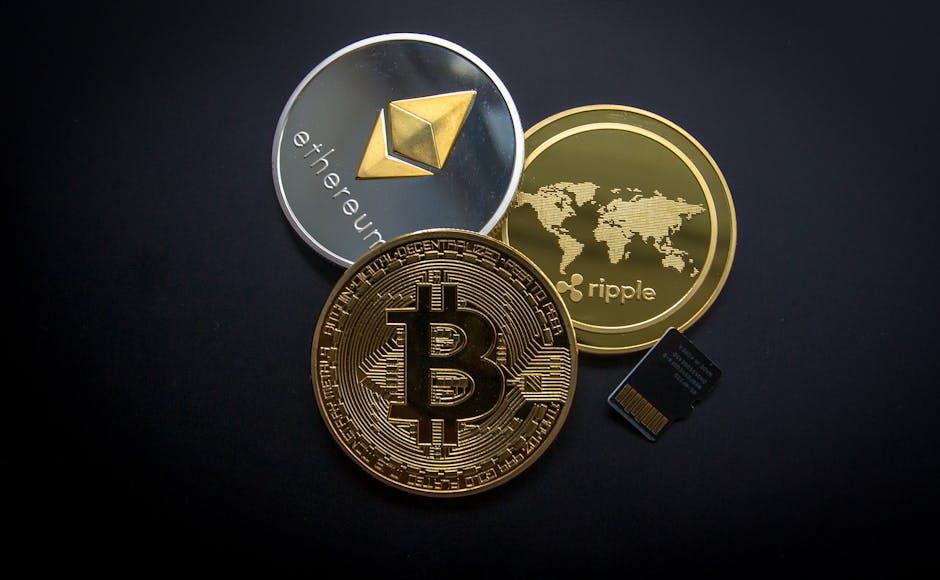
– Unveiling the Enigma of Bitcoin Mining: A Deep Dive into the Cryptic World
Unveiling the Enigma of Bitcoin Mining: A Deep Dive into the Cryptic World
Bitcoin mining is the cornerstone that supports the robust Bitcoin ecosystem, yet its intricacies often mystify those seeking to delve into its depths. Embark on a journey to unravel this enigmatic process, uncovering its indispensable role and the complexities that lie beneath the surface.
At its core, mining involves solving complex mathematical puzzles to verify and record transactions on the Bitcoin blockchain. The first miner to successfully solve the puzzle receives a reward in the form of newly minted Bitcoins and transaction fees. This process not only validates transactions but also safeguards the network against malicious actors.
Mining necessitates specialized hardware, often referred to as Application-Specific Integrated Circuits (ASICs). These machines are designed with a singular purpose: to perform the intensive computational tasks required for mining. As the difficulty of solving puzzles increases, so too does the computational power needed to secure the network.
The race to solve the next block is highly competitive, with miners constantly vying to outpace one another. This competition drives the development of ever-more powerful and efficient mining hardware. As a result, the Bitcoin mining industry has become increasingly centralized, with a handful of large mining pools dominating the scene.
Despite its complexity and energy consumption, Bitcoin mining remains a critical component of the network. It ensures the security and integrity of transactions, facilitating the growth and adoption of Bitcoin. Understanding the intricacies of mining provides a deeper appreciation for the technological marvels that underpin this revolutionary digital currency.
– Demystifying Bitcoin Mining: Processes and Protocols Explained
Demystifying Bitcoin Mining: Processes and Protocols Explained
Understanding the inner workings of Bitcoin mining requires delving into the technical processes that underpin it. At the core lies the Proof-of-Work (PoW) consensus mechanism. Miners employ specialized hardware to solve complex mathematical problems, known as hashing, to validate transactions and add new blocks to the blockchain.
The difficulty of the hashing algorithm adjusts dynamically based on the network’s hashrate, ensuring that blocks are generated at a consistent pace. Miners compete to be the first to find a solution, receiving a reward in the form of newly minted Bitcoin and transaction fees.
The evolution of mining hardware has seen a shift from CPUs to GPUs and, more recently, to Application-Specific Integrated Circuits (ASICs) designed specifically for mining. These ASICs boast optimized architectures and lower energy consumption, leading to increased efficiency.
The decentralization of Bitcoin mining poses challenges for malicious actors seeking to control the network. This difficulty is amplified by the 51% attack threshold, where an attacker would need to control over half the hashrate to manipulate the blockchain.
Despite the financial incentives, Bitcoin mining raises environmental concerns due to the significant energy consumption required. However, innovations such as renewable energy sources and the development of more efficient mining algorithms aim to mitigate the environmental impact.
– Exploring the Future of Bitcoin Mining: Innovations and Challenges
- Innovations in Bitcoin Mining Technology:
Bitcoin mining technology has advanced significantly since its inception, with new innovations driving efficiency and reducing energy consumption. These include the introduction of Application-Specific Integrated Circuits (ASICs), which are specialized hardware designed specifically for Bitcoin mining. ASICs have dramatically increased hashrates and reduced electricity usage, making mining more profitable. Other advancements include the development of more energy-efficient mining techniques, such as immersion cooling and renewable energy sources.
- The Rise of Decentralized Mining Pools:
To increase their chances of finding a block and earning rewards, miners often join mining pools, where they combine their hashrate with others. However, traditional mining pools have been criticized for centralization, as a few large pools control a significant portion of the network’s hashrate. Decentralized mining pools have emerged as an alternative, enabling miners to participate in pools without sacrificing control over their mining operations.
- Environmental Concerns and Sustainable Mining:
Bitcoin mining has come under fire for its energy consumption, which has raised environmental concerns. As a result, miners are actively exploring sustainable mining practices, such as using renewable energy sources and implementing energy-efficient cooling systems. Additionally, miners are working to optimize their operations and reduce waste, both to reduce their environmental footprint and improve profitability.
- The Impact of Regulation and Taxation:
Government regulations and taxation can have a significant impact on Bitcoin mining. Regulations vary widely by jurisdiction, with some countries welcoming mining operations while others impose restrictions or high taxes. This regulatory uncertainty can create challenges for miners and influence the overall economics of Bitcoin mining.
- The Future of Bitcoin Mining:
The future of Bitcoin mining holds both opportunities and challenges. Technological advancements will continue to drive efficiency and profitability, while sustainable practices will become increasingly important. Decentralized mining pools will empower miners and promote network resilience. However, regulatory uncertainty and environmental concerns will remain key factors shaping the industry’s evolution.
This exploration into the depths of Bitcoin mining offers a comprehensive comprehension of the industry’s intricacies, technological breakthroughs, and economic allure. As this digital gold rush continues to shape the financial landscape, the insights gleaned from this article equip readers with an informed perspective on its potential and implications. Bitcoin mining stands as a testament to our insatiable quest for innovation, the transformative power of technology, and the boundless possibilities that lie within the realms of decentralized finance. Its impact will undoubtedly continue to reverberate throughout the financial ecosystem, challenging our perceptions of value, currency, and the very nature of wealth in the digital age.