

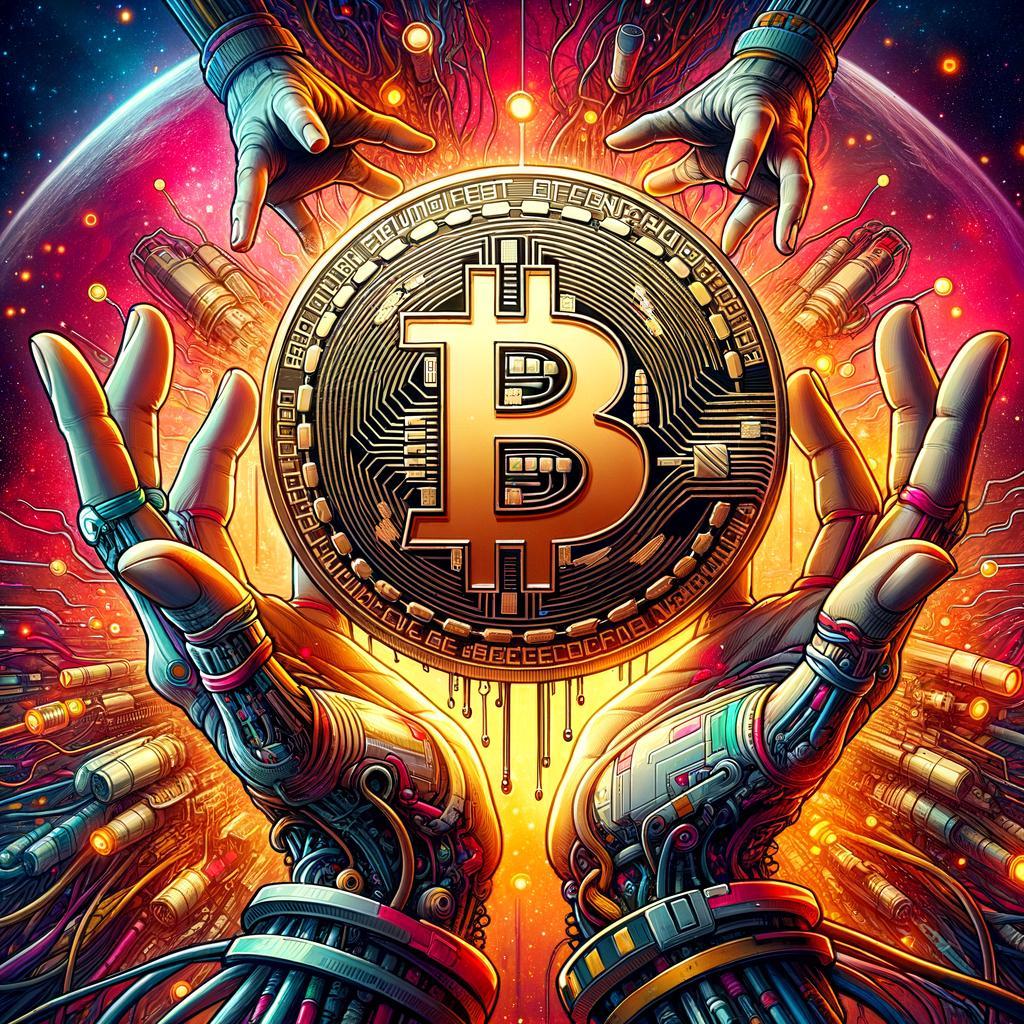
How does Bitcoin’s scarcity contribute to its self-fulfilling prophecy in the financial market?
Unlocking the Future: How Bitcoin Becomes Its Own Self-Fulfilling Prophecy
In the ever-evolving landscape of finance and technology, Bitcoin has emerged as a revolutionary force, challenging traditional notions of currency and value. Since its inception in 2009 by the pseudonymous Satoshi Nakamoto, Bitcoin has not only garnered attention as a digital asset but has also sparked a broader conversation about the future of money. As we delve into the dynamics of Bitcoin’s growth, it becomes evident that it is not merely a speculative investment; rather, it is a self-fulfilling prophecy that is reshaping the financial ecosystem.
The Concept of a Self-Fulfilling Prophecy
A self-fulfilling prophecy occurs when a belief or expectation brings about its own realization. In the context of Bitcoin, the belief in its potential as a decentralized currency and store of value has led to increased adoption, which in turn reinforces that belief. This cyclical relationship creates a robust feedback loop, propelling Bitcoin further into the mainstream.
The Role of Scarcity and Demand
At the heart of Bitcoin’s allure is its scarcity. With a capped supply of 21 million coins, Bitcoin is often likened to precious metals like gold. This limited supply creates a sense of urgency among investors and users, driving demand. As more individuals and institutions recognize Bitcoin’s potential as a hedge against inflation and economic instability, the demand continues to rise. This growing interest not only increases Bitcoin’s market value but also solidifies its status as a legitimate asset class.
Institutional Adoption and Legitimacy
In recent years, institutional adoption has played a pivotal role in Bitcoin’s evolution. Major corporations, hedge funds, and even governments have begun to invest in or accept Bitcoin, lending it a level of legitimacy previously unseen. This institutional interest is fueled by the belief that Bitcoin will play a significant role in the future of finance. As more entities enter the market, the narrative surrounding Bitcoin shifts from that of a speculative asset to a viable alternative to traditional currencies. This shift further entrenches the belief in Bitcoin’s potential, creating a self-reinforcing cycle.
Technological Advancements and Accessibility
The technological infrastructure surrounding Bitcoin has also evolved, making it more accessible to the average consumer. User-friendly wallets, exchanges, and payment systems have emerged, lowering the barriers to entry for new users. As more people engage with Bitcoin, the community grows, and the narrative surrounding its utility expands. This increased accessibility not only attracts new investors but also fosters a sense of ownership and participation among users, further solidifying the belief in Bitcoin’s future.
Media Influence and Public Perception
Media coverage plays a crucial role in shaping public perception of Bitcoin. Positive news stories, endorsements from influential figures, and discussions about its potential impact on the global economy contribute to a growing belief in Bitcoin’s viability. As public interest surges, more individuals are likely to invest, thereby reinforcing the narrative that Bitcoin is a sound investment. This media-driven cycle of belief and investment creates a powerful self-fulfilling prophecy that propels Bitcoin into the future.
Challenges and the Path Forward
Despite its promising trajectory, Bitcoin faces challenges that could impact its self-fulfilling prophecy. Regulatory scrutiny, environmental concerns related to mining, and market volatility pose significant hurdles. However, the resilience of the Bitcoin community and its ability to adapt to changing circumstances suggest that it will continue to evolve. As solutions to these challenges emerge, the belief in Bitcoin’s potential will likely strengthen, further entrenching its status as a transformative financial instrument.
Conclusion
Bitcoin’s journey from a niche digital currency to a mainstream financial asset exemplifies the power of a self-fulfilling prophecy. As belief in its potential grows, so too does its adoption and legitimacy, creating a feedback loop that propels it into the future. While challenges remain, the collective belief in Bitcoin’s transformative potential continues to unlock new possibilities for the financial landscape. As we look ahead, it is clear that Bitcoin is not just a fleeting trend; it is a harbinger of a new era in finance, one that is defined by decentralization, innovation, and the power of belief.
The Self-Reinforcing Nature of Bitcoin
Bitcoin operates as a self-fulfilling prophecy, where its value and acceptance are driven by collective belief and participation.

The Power of Collective Belief
At its core, Bitcoin thrives on the shared conviction of its users. As more individuals invest in and utilize this cryptocurrency, it reinforces the notion that it holds value. This cycle creates a robust ecosystem where demand drives price increases, further attracting new participants.
Statistics Highlighting Growth
Recent data indicates that Bitcoin adoption has surged significantly over the past few years. For instance, as of 2023, over 300 million people worldwide own some form of cryptocurrency, with Bitcoin accounting for approximately 40% of this market share. Such statistics underscore how widespread acceptance can propel a digital currency’s legitimacy.
A New Perspective on Value Creation
The concept behind Bitcoin’s valuation is akin to traditional currencies; however, it diverges in its decentralized nature. Unlike fiat currencies backed by governments or physical commodities like gold, Bitcoin derives its worth from user trust and network effects. The more people believe in its potential as a store of value or medium for transactions, the stronger it becomes.
Examples from Other Markets
This phenomenon isn’t unique to cryptocurrencies; similar patterns can be observed in various markets. For example, consider social media platforms: their value escalates with increased user engagement and content creation. Likewise, as more individuals adopt Bitcoin for transactions or investments, they contribute to an ever-expanding community that enhances its credibility.
The Future Outlook
Looking ahead, experts predict continued growth for Bitcoin as technological advancements improve transaction efficiency and security measures evolve. With institutional investors increasingly entering the space—evidenced by major companies adding cryptocurrencies to their balance sheets—the foundation for sustained growth appears solid.
Conclusion: A Cycle of Confidence
Bitcoin exemplifies how collective belief can shape financial landscapes through self-reinforcement mechanisms. As confidence builds among users and investors alike—driven by tangible benefits such as decentralization and potential returns—the future trajectory seems promising for this pioneering digital asset.