

The rise of Bitcoin in the world of finance, technology, and the global economy has been astonishing. It has disrupted traditional banking and payment systems, and created a volatile investment landscape. With its mystery and potential for monetary gain, Bitcoin has captivated the imagination of millions of people around the world. Despite its enigmatic nature, the technology behind Bitcoin and underlying blockchain technology are quickly being understood by institutions, investors, and government agencies. In this article, we will unpack the mysteries of Bitcoin and shed greater light on this unique form of digital currency.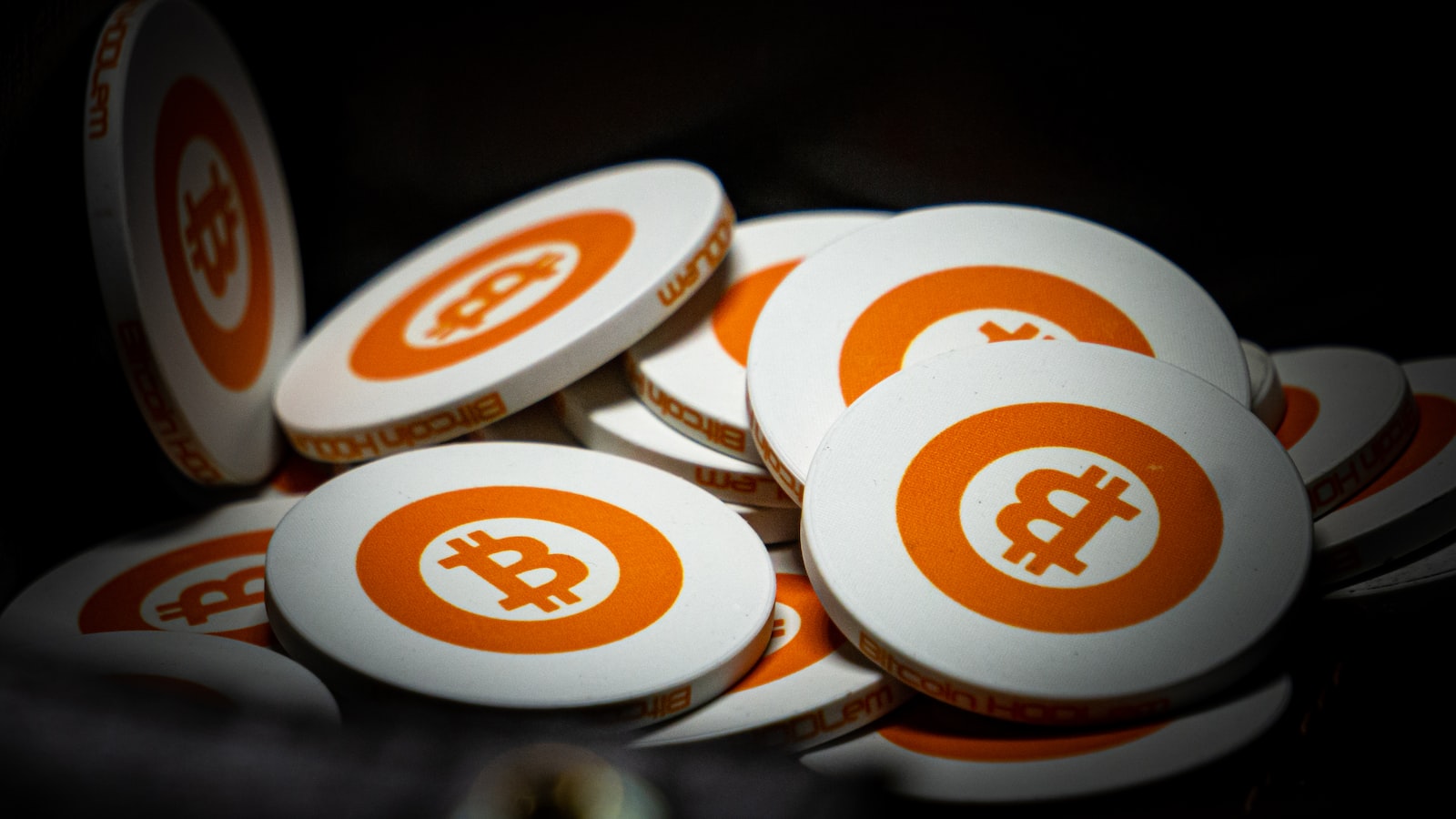
I. An Overview of Bitcoin
Bitcoin is a digital currency based on a decentralized, peer-to-peer system. This system allows users to send and receive payments without an intermediary like a government or bank. Unlike traditional fiat money, which is regulated by a governing authority, Bitcoin operates on an open-source protocol that utilizes cryptography to secure transfers and verify transactions.
The system is maintained by miners, or users who compete for rewards by solving complex computations, or “proof-of-work” puzzles. This process is called “mining” and provides an incentive to miners in the form of rewards and fees. By incentivizing miners to secure the network, Bitcoin can process payments without relying on a central authority or third party.
Since it was first created in 2009, Bitcoin has grown increasingly popular as it continues to gain trust and acceptance from across the world. A few key features that make Bitcoin an attractive payment option are as follows:
- Decentralized and censorship-resistant: transactions are peer to peer and there is no central authority who can block or reverse transactions
- Secure and private: transactions are cryptographically secured and data is encrypted
- Transparent and traceable: transactions are visible on the public ledger, allowing users to track payments
- Fast and cheap: transactions are completed quickly and at a much lower cost than traditional payment processors
II. Investigating the Benefits of Bitcoin
The potential benefits of Bitcoin are numerous and have caused a resurgence in the interest surrounding them. The most obvious benefit of Bitcoin as a decentralized and non-governmental form of currency is that transactions costs are low, users have full control over their funds and privacy is ensured. Moreover, these payments are resistant to fraud and identity theft.
1. Security: Bitcoin is secured by cryptography and stored on a distributed ledger, so it’s virtually impossible to counterfeit or manipulate the data. Additionally, since it’s not linked to any single individual or bank, it means users don’t have to worry about their money being physically stolen or conversely taken away from them by a government or financial institution.
2. Efficient transfers: Bitcoin transfers are much faster than traditional bank transfers. Transactions are completed with low fees and the money can be converted into real-world currencies quickly. Additionally, Bitcoin payments are irreversible, so you never have to worry about them being reversed or cancelled.
3. International payments: Bitcoin can be used to transfer money anywhere in the world quickly and seamlessly. This eliminates the need for resources such as a bank account or credit card, making it a great tool for international payments.
4. Immutability: Transactions on the Bitcoin network are final and can’t be reversed, meaning that users don’t have worry about the transaction being reversed due to fraudulent claims or other issues.
5. Adaptability: Bitcoin is highly adaptable, meaning that it can be adapted to meet the needs of a changing landscape. This allows for the use of Bitcoin in different sectors, including retail, banking and finance.
III. Making Sense of the Risks Associated with Bitcoin
As with any business, financial decision or investment, individuals must carefully assess the risks associated with bitcoin before undertaking any activity. Educating yourself on the technology and the associated risks can ensure you make the most informed decisions.
- Understand the technology: Take the time to understand how bitcoin works. This includes assessing both the potential advantages and associated risks to ensure bitcoin is the right option for you.
- Risks associated with volatility: The value of any investment posed by bitcoin may rise or fall rapidly and unpredictably. This is predominantly due to the volatile nature of the bitcoin market.
- Regulatory compliance: Depending on your jurisdiction laws, there may be regulatory restrictions in place when investing in digital currency. It is important to ensure you are aware of and meeting the legal requirements associated with the acquisition of bitcoin.
Investing in bitcoin can potentially be profitable, however, as with any venture of this nature, all parties must undertake thorough research to understand the risks associated.
As the world of cryptocurrency further evolves, and Bitcoin continues to grow, understanding the implications of the implementation of Bitcoin and the technology behind it become ever more important. By unravelling the mysteries of Bitcoin, this article has provided insights and valuable resources to better equip readers with a sound understanding of the cryptocurrency. It is hoped that having read this article, readers are able to make informed decisions and stay informed of the latest developments in the industry.