

The Basics of Bitcoin: navigating the digital Marketplace
Bitcoin, the pioneering cryptocurrency, operates on a decentralized network known as blockchain technology. This innovation eliminates the need for intermediaries such as banks, allowing for peer-too-peer transactions that are both obvious and secure. In this digital marketplace,transactions are confirmed by miners,who solve complex mathematical problems to add blocks to the blockchain. This process not only secures the network but also generates new bitcoins, which are capped at a total of 21 million, instilling scarcity and potential value in the currency.
Users can acquire Bitcoin through various means, including buying on exchanges, receiving it as payment for goods and services, or mining. The decentralized nature of Bitcoin means that anyone with an internet connection can participate in the network, giving rise to a unique economic framework.To facilitate transactions, users typically utilize digital wallets, which store private and public keys necessary for securely sending and receiving bitcoins. Ensuring the security of these wallets is paramount, as unauthorized access can lead to substantial financial losses.
In navigating this volatile digital marketplace, it is essential for users to stay informed about market trends and fluctuations. Several factors can influence Bitcoin’s value, such as regulatory news, technological advancements, and macroeconomic indicators. Engaging with reliable resources, following market analytics, and participating in community discussions can empower users to make informed decisions. By understanding the underlying factors that drive Bitcoin’s price, participants can better position themselves to seize opportunities and mitigate risks in thier digital currency ventures.
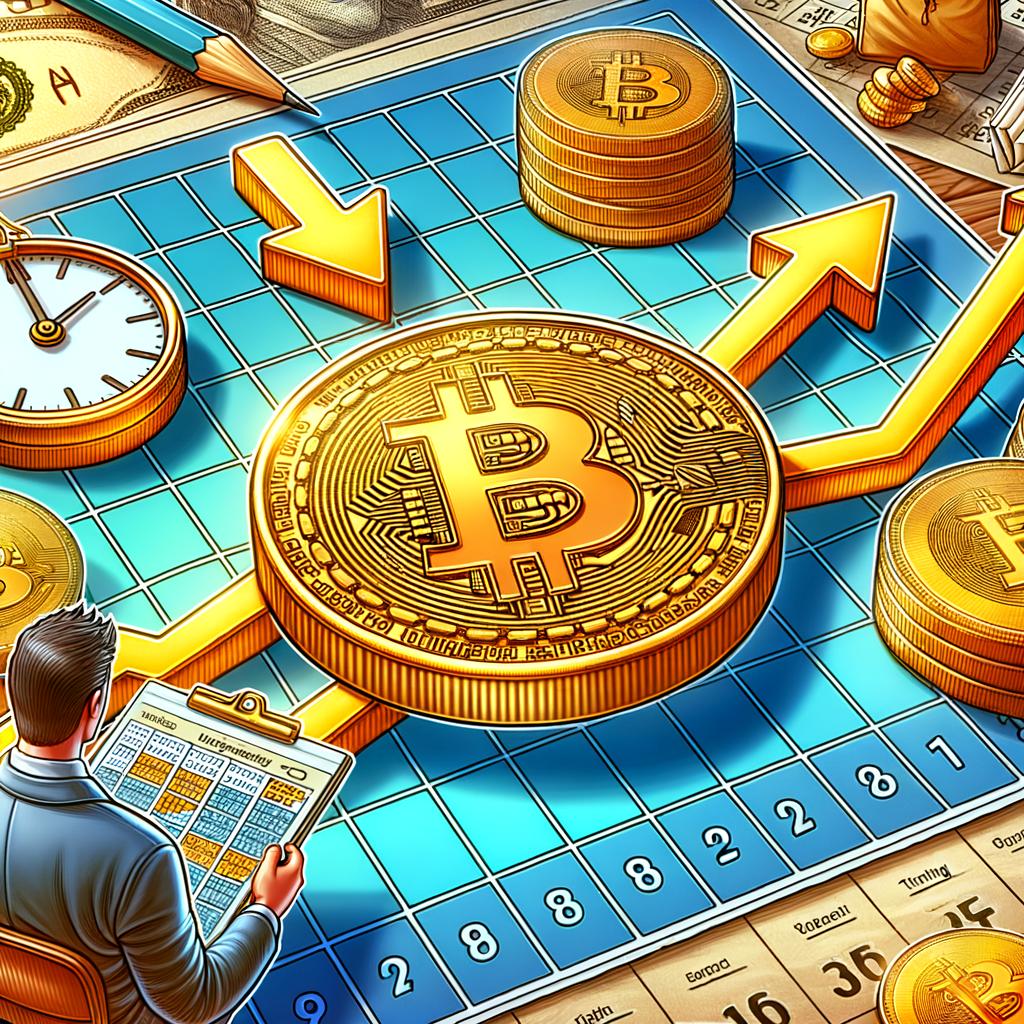
Evaluating the Flexibility: How and When to Sell bitcoin
in the dynamic landscape of cryptocurrency, determining the right moment to sell Bitcoin can substantially influence an investor’s financial outcome. Essential factors to consider include market trends, personal financial goals, and overall economic conditions. investors should regularly monitor price movements and trading volumes to gauge when a favorable position may arise. additionally, setting predefined price targets can create a more structured selling strategy, helping mitigate the emotional responses that often accompany trading.
Another critical aspect to evaluate involves understanding market psychology and sentiment. Market trends can frequently enough shift rapidly based on external factors such as regulatory news, technological advancements, or macroeconomic developments. Investors should keep an eye on both bullish and bearish indicators, including:
- Technical Analysis: Utilize charts and indicators to predict future price movements.
- News Events: Be aware of announcements that may lead to market volatility.
- Community Sentiment: Pay attention to social media platforms and forums to gauge the mood among investors.
aligning any selling decisions with personal financial objectives is crucial. Each investor’s situation is unique, and factors such as investment horizon, risk tolerance, and liquidity needs must influence the decision-making process. Establishing an overall exit strategy that considers these variables can make a substantial difference.Whether it involves selling a portion of holdings to realize profits, or using techniques like dollar-cost averaging to navigate through fluctuations, a robust strategy can definitely help maximize returns while managing risk effectively.
Market Dynamics: Factors Influencing Your Bitcoin Sale Decisions
The cryptocurrency market operates under a unique set of factors that can significantly influence the decision to sell Bitcoin.Market sentiment plays a crucial role, often swayed by news events, economic indicators, or social media trends. For instance, a positive announcement from a major corporation regarding Bitcoin adoption can lead to a surge in prices, while regulatory crackdowns can provoke fear and result in sell-offs. Understanding the prevailing market sentiment can help investors make more informed decisions regarding their holdings.
Another factor to consider is technical analysis, which involves scrutinizing price charts and trading volumes to predict future market movements. Investors commonly use indicators such as moving averages, Relative Strength Index (RSI), and Bollinger Bands to gauge potential entry and exit points. By recognizing patterns in price movements and understanding volume spikes or declines, traders can better assess whether it’s an opportune moment to liquidate their assets or hold on for a potentially more lucrative future.
Lastly,the impact of macro-economic factors cannot be overlooked. Global economic conditions such as inflation rates, interest rates, and geopolitical tensions can affect Bitcoin’s price. For instance,in times of economic uncertainty,Bitcoin is often viewed as a safe haven asset,which may prevent sharp declines in its value. Conversely, an increase in interest rates might divert investments away from cryptocurrencies as traditional savings become more appealing.Keeping an eye on these macroeconomic indicators can provide crucial insights for potential sale decisions in the volatile world of Bitcoin.
As we conclude our exploration of whether it’s feasible to sell Bitcoin, it’s clear that the landscape of digital currencies is as dynamic as it is indeed complex. the decision to enter or exit the Bitcoin market is laden with considerations that range from market volatility to regulatory changes, each playing a crucial role in shaping an investor’s strategy. While selling Bitcoin is certainly possible,it requires a thoughtful approach and a keen understanding of the evolving market conditions.
Investors must stay informed and consider various factors, such as market trends, technological advancements, and geopolitical influences that may impact cryptocurrency valuations. Engaging with credible sources and expert analyses will be essential in navigating the intricacies of buying or selling Bitcoin effectively.
Ultimately, whether one chooses to sell Bitcoin or hold it for the long term, remaining adaptable and informed will be key. The cryptocurrency market offers both opportunities and risks, and a well-rounded understanding of these elements can empower you to make informed decisions. As we continue to witness the maturation of this financial ecosystem, let us remain vigilant and inquisitive, ready to embrace the challenges and opportunities that lie ahead in the world of Bitcoin.