
– The Finite Supply of Bitcoin: Exploring the Significance of 2.1 Quadrillion Satoshis
The concept of a maximum supply in Bitcoin is crucial to understanding its value proposition. With a hard cap of 21 million Bitcoins, this limit translates to a staggering 2., as each Bitcoin is divisible into 100 million satoshis.This finite supply distinguishes Bitcoin from traditional fiat currencies,which can be printed without constraint. The scarcity of Bitcoin creates an intrinsic value framework, much like precious metals, making it a potential hedge against inflation and a store of value in an increasingly digital economy.
As Bitcoin adoption grows, the significance of the 2.becomes increasingly apparent. By limiting the total number of satoshis available, Bitcoin enforces a deflationary mechanism that could drive up demand. This is crucial in a world where investors and institutions are constantly seeking avenues for value retention. The implications of having a finite number of units can be profound, influencing everything from transaction fees to market speculation, as investors begin to anticipate future scarcity.
The psychological and economic effects of this finite supply extend beyond simple market trends. Speculators often seek to capitalize on the anticipated rise in value as Bitcoin’s supply diminishes over time due to its built-in halving events. Moreover, with the growing integration of Bitcoin into mainstream finance, understanding the significance of 2. will be essential for investors and users alike. Their awareness of bitcoin’s supply dynamics could drive enhanced engagement, shaping the cryptocurrency’s future in a global financial ecosystem.
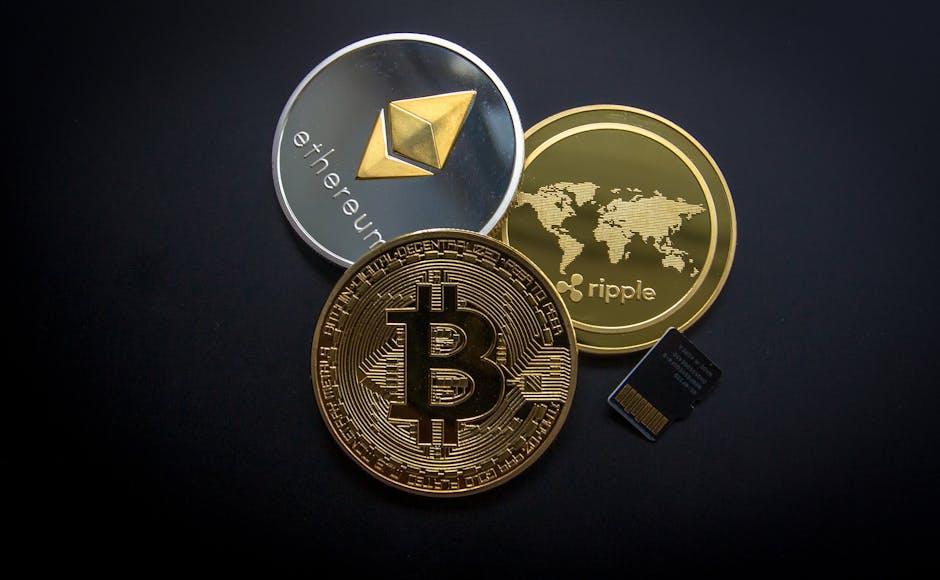
– Analyzing the Implications of Bitcoin’s Scarcity on Market Value and Investor Behavior
The capped supply of Bitcoin, consisting of just 21 million coins, translates to a total of 2.1 quadrillion satoshis-a unit that embodies Bitcoin’s inherent scarcity. This limit plays a pivotal role in shaping investor psychology and market dynamics. As the supply remains immutable, the demand for Bitcoin continues to intensify, especially as more institutional investors and retail participants enter the cryptocurrency arena.The perceived value of Bitcoin as a deflationary asset reinforces the belief that its price will appreciate over time, making it an attractive store of value reminiscent of gold.
furthermore, scarcity impacts the behavioral patterns of investors. As the market’s awareness of Bitcoin’s limited supply heightens, this can lead to speculative trading behavior, driving prices to new heights amid bullish sentiment. The phenomena such as “FOMO” (fear of missing out) are prevalent as individuals rush to acquire Bitcoin before it becomes even scarcer. This influx of demand, combined with a static supply, can create volatile price surges that reflect both enthusiasm and trepidation among market participants, ultimately magnifying the asset’s allure.
In addition to shaping investor behavior, the fixed supply of Satoshis supports the advancement of a new financial paradigm where scarcity is celebrated.The comparison to traditional fiat currencies, which are susceptible to inflation through centralized monetary policies, underscores Bitcoin’s appeal as a hedge. As investors become increasingly savvy about the implications of scarcity in the context of both macroeconomic trends and individual wealth preservation strategies, Bitcoin’s role as a cornerstone of the digital economy becomes even more pronounced, further solidifying its stature in the global financial landscape.
– Decoding the satoshi: Understanding the Smallest Units of Bitcoin and their impact on Transaction Dynamics
The Satoshi, the smallest unit of Bitcoin, represents a fundamental aspect of the cryptocurrency’s transactional architecture. With a total supply capped at 21 million Bitcoins, this translates into a staggering 2.1 quadrillion Satoshis. This finite limit underlines the intentional design by Bitcoin’s pseudonymous creator, Satoshi Nakamoto, who aimed to create a deflationary digital currency. The ability to subdivide Bitcoin into such minuscule units enhances its usability in everyday transactions, making it possible to engage in microtransactions that traditional currencies often struggle to accommodate.
As Bitcoin adoption grows, the implications of this 2.1 quadrillion Satoshi cap become ever more significant. The ability to unitize Bitcoin down to 0.00000001 BTC enables a wide range of financial activities while addressing scalability concerns. This precision allows for the facilitation of transaction dynamics that can cater to varying economic scenarios, such as pricing goods and services in smaller denominations or enabling broader access to the digital economy for users in lower-income brackets. As Bitcoin aims to function as a global currency, understanding how these smallest units operate is crucial for both users and investors.
Moreover, the concept of Satoshis plays a critical role in addressing Bitcoin’s inflationary characteristics. Unlike fiat currencies, which governments can print in virtually unlimited quantities, the capped supply of 21 million Bitcoins suggests that scarcity will increase as demand rises. Consequently,as Bitcoin progresses toward mainstream adoption,the dynamics surrounding Satoshis become essential in fostering price stability and sustaining purchasing power. This intricate balance may well dictate the future trajectory of Bitcoin as it evolves not just as a store of value but also as a viable medium of exchange in the global economy.
– Future Scenarios: What the Limit of 2.1 Quadrillion Satoshis Means for Cryptocurrency Adoption and Regulation
The limit of 2.1 quadrillion satoshis sets significant parameters for the future of Bitcoin and its broader implications in the cryptocurrency landscape. With a finite supply capped at 21 million coins, this scarcity introduces a unique economic dynamic, influencing both market behavior and investor psychology. As blockchain technology continues to proliferate, the fixed nature of Bitcoin contrasts sharply with traditional fiat currencies, which central banks can inflate at will. This intrinsic scarcity could drive increased demand among investors seeking a hedge against inflation, particularly in turbulent economic climates.
Looking forward, the fixed supply of satoshis may catalyze a shift in regulatory approaches toward cryptocurrencies. Policymakers might be compelled to create frameworks that acknowledge the distinct characteristics of digital assets,balancing the need for consumer protection with the promotion of innovation. As Bitcoin gains traction as a store of value,jurisdictions may differentiate between cryptocurrencies based on their scarcity and utility,leading to varied regulatory environments that could either hinder or foster adoption.This evolving landscape necessitates collaboration between stakeholders to craft rules that support growth while mitigating risks associated with fraud and market manipulation.
Moreover, the scenario of a limited supply of 2.1 quadrillion satoshis could prompt a surge in Bitcoin’s everyday use cases, such as microtransactions and smart contracts. As more peopel recognize the potential for alternative economic systems powered by blockchain, the demand for Bitcoin as a transactional medium may solidify its position in mainstream finance. Financial institutions and payment processors may begin integrating bitcoin into their services, driven by the desire to capitalize on its scarcity. This ongoing integration could lead to a recalibration of existing financial structures, fostering an environment where cryptocurrency operates alongside traditional systems, perhaps reshaping global economies.
As we conclude our exploration of Bitcoin’s 2.1 quadrillion satoshis limit, it becomes clear that this finite cap is integral not only to the cryptocurrency’s operational framework but also to its perceived value in the broader financial ecosystem. With a maximum supply set within the blockchain’s foundational code, Bitcoin challenges traditional economic models that rely on inflationary practices.
This structured scarcity gives rise to a unique interplay between supply and demand, driving interest from both retail and institutional investors. As the world increasingly grapples with the implications of digital currencies, understanding the implications of Bitcoin’s satoshi limit is crucial. It raises fundamental questions about value,utility,and the future of money itself.
Ultimately, as we navigate the evolving landscape of cryptocurrency, remaining cognizant of these limits will be essential for investors, analysts, and regulators alike. The journey of understanding Bitcoin’s architecture, particularly its satoshi composition, continues to unfold, promising new insights and challenges in this digital financial frontier.


