

The Fundamentals of Dollar-Cost Averaging: A Risk-Management Approach
Dollar-cost averaging (DCA) is an investment strategy that helps to reduce the impact of market volatility on an investor’s portfolio. By investing a fixed dollar amount at regular intervals-regardless of the asset’s price-investors can purchase more shares when prices are low and fewer shares when prices are high. This method fosters a disciplined investment approach, making it easier for individuals to stick to their investment plan over time without getting overwhelmed by market fluctuations.
By implementing dollar-cost averaging, investors effectively manage their risks in several ways. First, it minimizes the potential of making poor investment decisions based on short-term market movements. By committing to regular investments, investors are less likely to try to time the market, which can lead to buying high and selling low. Second, DCA can lessen the emotional stress associated with investing.As the strategy involves consistent, automatic investments, it removes the anxiety of having to make decisions in volatile markets.
This approach is particularly beneficial for long-term investors who wish to build wealth steadily. Key benefits include:
- Reduced average cost per share over time
- Encouragement of a long-term investment mindset
- Enhanced ability to navigate market corrections without panic
By adhering to this strategy, investors can create a balanced portfolio that withstands market fluctuations, aligning their investment behavior with their long-term financial goals.
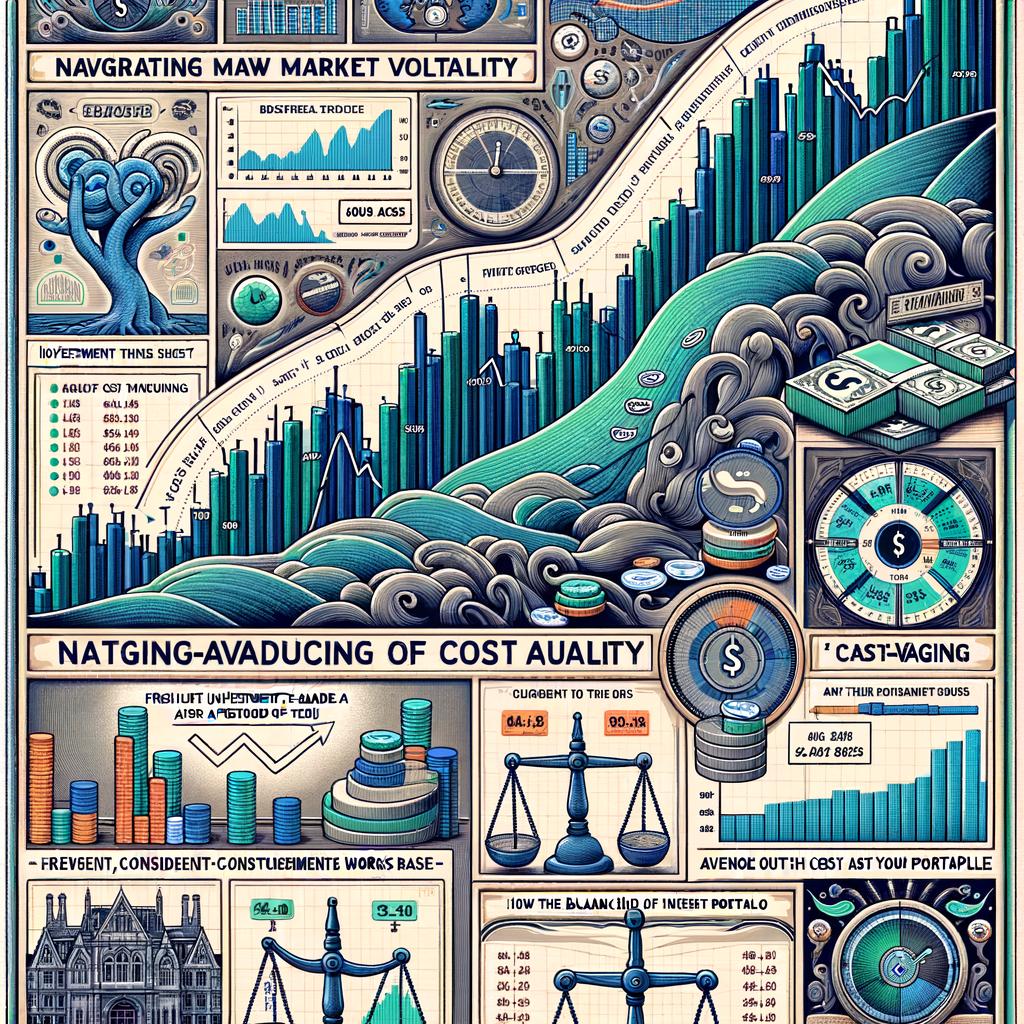
Navigating market volatility: How Cost-Averaging works in Practice
Cost-averaging is a strategic investment approach that allows investors to mitigate the impact of market volatility on their portfolios. By consistently investing a fixed amount of money at regular intervals, regardless of the asset’s price, investors can effectively spread the risk over time. This method ensures that investors do not have to time the market perfectly, thus reducing the anxiety associated with fluctuating prices. Additionally, this disciplined strategy encourages a long-term mindset that can lead to better investment outcomes.
In practical terms, cost-averaging means that investors purchase more units of an asset when prices are low and fewer units when prices are high. This automatically results in a lower average cost per unit over time. For example, if an investor commits $100 each month to Bitcoin, they will acquire more coins when the price drops and fewer when the price rises, leading to a balanced entry point across different price levels. This method demonstrates the principle of buying low and selling high, creating an chance to capitalize on price variations.
The effectiveness of cost-averaging is particularly evident in volatile markets, such as cryptocurrencies.During periods of sharp fluctuations, such as Bitcoin’s price surges and declines, investors employing this strategy can take advantage of the inherent volatility. By gradually building their positions, they reduce the risk of making a substantial investment at a peak price, thereby increasing the potential for profitability. Furthermore, the psychological benefit of a structured investment plan can help investors remain committed to their strategy, avoiding impulsive decisions driven by short-term market movements.
Long-Term Benefits: Building Wealth through Consistent Investment Strategies
Investing consistently over a long period can yield significant wealth accumulation, due in part to the principle of compounding returns. When investors reinvest their earnings, the value of their initial investment grows exponentially over time. As an example, even modest annual returns can compound into substantial sums if investments are maintained across decades. This emphasizes the importance of starting early; the sooner one begins investing,the more time their money has to grow,transforming small contributions into significant financial resources.
Another key aspect of successful long-term investing is diversification. By spreading investments across various asset classes-such as stocks, bonds, real estate, and commodities-investors can mitigate risks associated with market volatility. This strategy not only protects an investor’s portfolio against downturns in any one sector but also enhances the potential for returns. considerations for diversification include:
- Investing in different industries to capture growth from various sectors.
- Combining growth and value assets to balance risk and reward.
- Including international investments to hedge against domestic market fluctuations.
Lastly, maintaining a disciplined approach through regular contributions can considerably bolster long-term investment success. Employing strategies like dollar-cost averaging-where investors purchase fixed dollar amounts of an asset consistently over time-can definately help minimize the impact of market volatility. This method allows investors to buy more shares when prices are low and fewer shares when prices are high, averaging the cost over time. By adhering to a structured investment plan, individuals can build resilience against market fluctuations and prepare for a secure financial future.
the cost-average effect stands out as a robust investment strategy that empowers investors to navigate the unpredictable waters of the financial market with greater confidence.by committing to regular investments, regardless of market conditions, individuals can effectively lower their average purchase price over time, allowing them to capitalize on both highs and lows. This disciplined approach not only mitigates the risks associated with market volatility but also encourages a long-term outlook, which is often key to successful investing. As you embark on your investment journey, consider incorporating the cost-average effect into your strategy; it may very well be the steady hand that guides you toward achieving your financial goals. Remember, as with all investment strategies, it’s important to remain informed and adaptable in a constantly changing market landscape.