
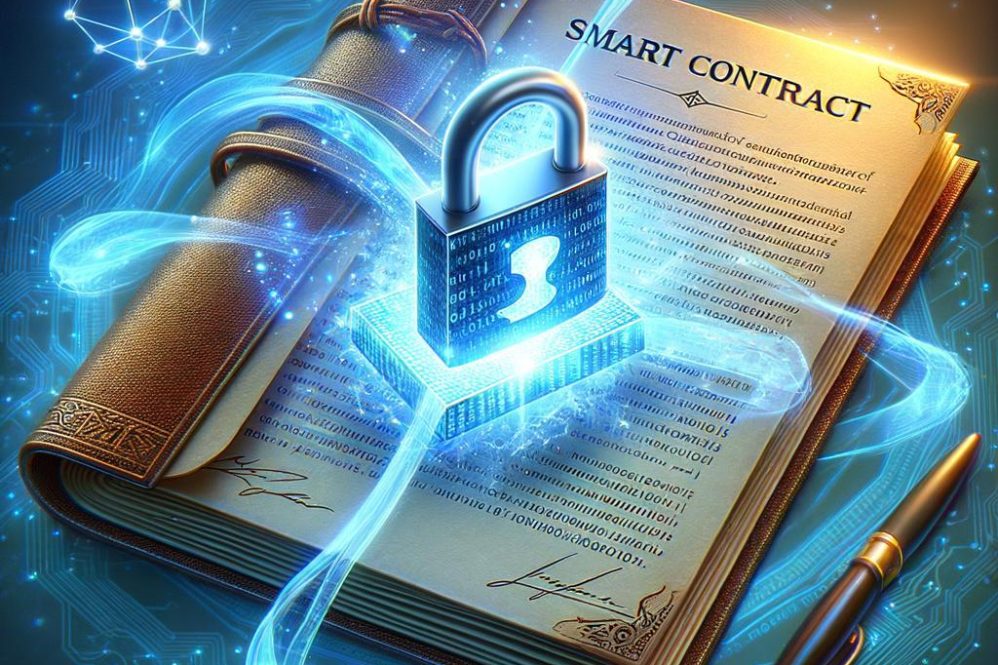
What Are Smart Contracts? Defining the Digital Agreement Revolution
Smart contracts are digital protocols that facilitate, verify, or enforce the negotiation or performance of a contract automatically. These agreements are built on blockchain technology, ensuring that the terms are not only immutable but also transparently visible to all involved parties. By encoding the contract directly into lines of code, smart contracts eliminate the need for intermediaries, such as lawyers or notaries, thereby reducing overhead costs and time delays traditionally associated with contract execution.
The operational mechanism of smart contracts relies on predetermined conditions set within the code. Once these conditions are met, the contract executes itself, leading to automatic enforcement of the agreement. This self-executing nature enhances trust among parties, as the outcome is guaranteed to occur without the influence of human error or manipulation. Important advantages include:
- Efficiency: Transactions are processed more quickly as the automation reduces waiting times.
- Cost Savings: By cutting out intermediaries, overall costs are considerably lowered.
- Openness: The use of blockchain provides a permanent record that is accessible to all stakeholders.
Moreover, the applications of smart contracts extend beyond simple financial transactions. They can be utilized in various sectors such as supply chain management, real estate, and even legal agreements. As an example, in supply chains, smart contracts can automate compliance checks and trigger payments upon confirmed delivery. As industries begin to adopt this innovative technology, the potential for smart contracts to reshape the landscape of digital agreements is enormous, paving the way for a more efficient, trusted, and automated future.

How Smart Contracts Work: The Mechanics behind Automated Transactions
At the core of Bitcoin’s smart contracts are its scripting capabilities, which allow users to define specific conditions under which transactions take place. Bitcoin uses a stack-based language, which operates in a way that resembles programming logic found in conventional languages.Each transaction is accompanied by a script that defines the rules for a transaction’s execution,ensuring that the funds can only be spent when certain criteria are met. This mechanism not only increases security but also contributes to the automation of transactions, making them more reliable and less prone to error.
When a transaction is initiated, the network nodes verify the conditions set by the smart contract. This process involves executing the corresponding script using the Bitcoin scripting language, which includes various opcodes that dictate how the transaction should be processed. For example, a multi-signature contract requires a specified number of keys to authorize the transaction, ensuring that multiple parties have agreed before any funds can be moved. Such functionality highlights how smart contracts enhance trust and transparency within the decentralized ecosystem, as all stakeholders can independently verify terms without relying on a central authority.
Furthermore, the use of smart contracts leads to increased efficiency in executing agreements, as automated execution reduces the need for intermediaries. This can result in lower costs and faster transaction times. In real-world applications, Bitcoin smart contracts can facilitate various operations, such as escrows, crowdfunding, and decentralized applications (dApps). As more developers explore these functionalities, it is clear that Bitcoin’s inherent scripting capabilities provide a robust framework for creating a wide array of programmable agreements that are foundational to the evolution of digital transactions.
Real-World Applications: Transforming Industries Through Smart Contract Technology
Smart contract technology is increasingly recognized for its potential to revolutionize various sectors by automating processes and enhancing transparency. In industries like finance, healthcare, and supply chain management, smart contracts facilitate transactions in a secure and efficient manner. By eliminating intermediaries, these digital agreements reduce costs and the risk of human error, leading to faster and more reliable outcomes.
In the financial sector, as an example, smart contracts can streamline loan agreements and insurance claims, thereby expediting the approval process for customers. Similarly, in healthcare, patient consent forms and medical records can be managed through smart contracts, ensuring that sensitive data is shared only with authorized personnel. This not only enhances data security but also ensures compliance with regulations such as HIPAA.
Supply chain management also greatly benefits from the adoption of smart contracts. By automating the tracking of goods and confirming delivery automatically, companies can maintain accurate records and increase the efficiency of their operations. Key stakeholders can access real-time data, further promoting transparency and trust among partners. the integration of smart contract technology is set to create more agile,transparent,and cost-effective business practices across multiple industries.
As we conclude this extensive overview of smart contracts, it is evident that this innovative technology is not just a fleeting trend but a transformative force poised to redefine digital agreements across various sectors. By automating the execution of contracts through code, smart contracts enhance transparency, reduce operational costs, and foster trust among parties involved.Their real-world applications, from streamlining supply chains to revolutionizing real estate transactions, demonstrate their broad potential impact on industries ripe for disruption.
The journey of understanding smart contracts does not end here; it is only the beginning. As blockchain technology continues to evolve, so too will the possibilities for smart contracts. Whether you are a developer, a business leader, or simply an enthusiast, staying informed about advancements in this field will be crucial to harnessing the benefits of this powerful tool. Embrace the future of agreements, and stay tuned for further developments in this exciting arena of digital innovation.

