

The Foundation of Green Life: What Are Seeds?
Seeds are the very essence of plant life, representing the starting point for growth and reproduction in the botanical world. They serve as nature’s capsules of potential, containing all the necessary components for the development of a new plant. Each seed is comprised of three key parts: the seed coat, which protects the inner components; the embryo, which will develop into the new plant; and the endosperm, which provides nourishment during the early stages of growth. together, these elements work harmoniously to ensure a accomplished emergence from the soil.
The diversity found among seeds is remarkable. They come in various shapes, sizes, and colors, reflecting the vast array of plant species that exist on our planet. Some seeds are tiny, like those of a poppy, while others are large and robust, like coconuts. Factors influencing seed characteristics include the plant’s habitat, environmental conditions, and evolutionary history. This variety not only contributes to the resilience of ecosystems but also provides a range of options for cultivation and agricultural practices by humans.
Seeds also play a crucial role in sustainability and environmental health. they are fundamental to agriculture,supporting food systems and economies worldwide. Preservation efforts for heirloom and native seeds help maintain biodiversity, reconnecting us to traditional farming practices. As we confront environmental challenges, understanding the importance of seeds becomes increasingly vital; they are key to restoring and sustaining our ecosystems and food security for future generations. By valuing and protecting this foundational element of life,we can foster a greener,more sustainable planet.
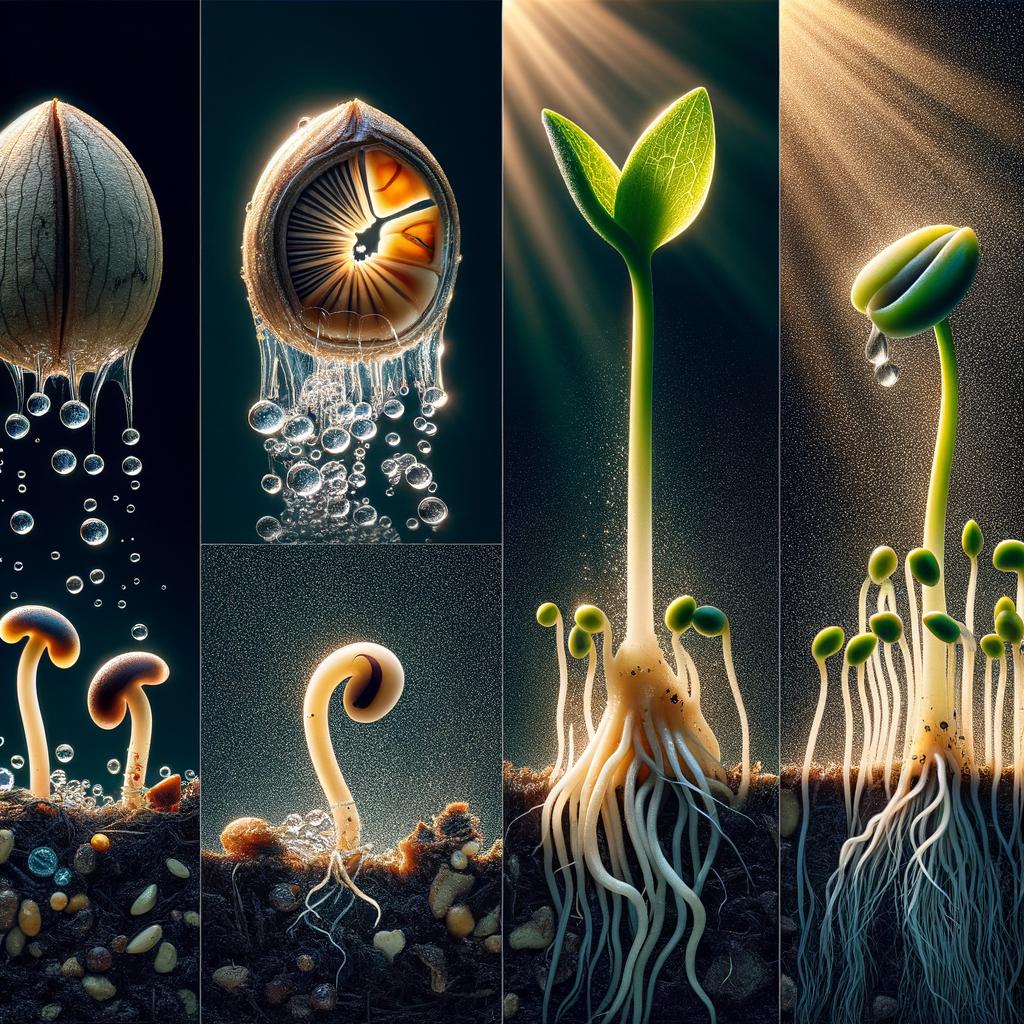
From Seed to Sprout: The Critical Role of Germination
The process of turning a seed into a thriving plant begins with germination,a crucial phase that ensures the survival and growth of manny species. During this stage, seeds absorb water, swell, and eventually break through their protective outer layer. This hydration initiates a series of biochemical reactions, leading to the mobilization of stored nutrients that fuel the seedling’s initial growth. Without successful germination, the potential for life contained within each seed remains dormant and unfulfilled.
Several factors critically influence the germination process. These include:
- Moisture: Seeds require adequate water to activate their metabolism and initiate growth.
- Temperature: Each species has an optimal temperature range for germination, with extremes perhaps inhibiting sprouting.
- Light: Some seeds need exposure to light to germinate, while others may require darkness.
- Oxygen: Essential for respiration, oxygen levels must be sufficient for the energy demands of growing seeds.
Understanding the dynamics of germination is crucial for both amateur and professional horticulturists. By mastering the optimal conditions for seed sprouting, gardeners can increase their chances of successful plant cultivation. Additionally, insights into germination can inform agricultural practices, enhancing crop yields and contributing to food security. Investing time in learning about this fundamental growth stage can ultimately lead to healthier plants and more fruitful harvests.
Nurturing Growth: Understanding Seed types and Their Impact on Agriculture
Seeds serve as the foundational element of agricultural production, each with unique characteristics influencing crop yield and sustainability. Understanding the various types of seeds is essential for farmers and agricultural professionals alike. Broadly, there are two main categories of seeds: open-pollinated and hybrid. Open-pollinated seeds are known for their ability to reproduce true to type, making them a favorite among organic growers, while hybrid seeds, produced by cross-breeding specific parent varieties, frequently enough boast enhanced vigor, disease resistance, and higher yields.
The selection of seed types directly impacts not only the productivity of crops but also the environmental footprint of farming practices. For instance, certified seeds guarantee quality and genetic integrity, ensuring that farmers receive seeds free from diseases and pests. Additionally, the choice between heirloom and modern hybrid seeds can influence biodiversity within an ecosystem. Heirloom varieties, ofen cultivated for their unique flavors and resilience, contribute to an agricultural surroundings that supports genetic variation, vital for adapting to climate changes.
Moreover, understanding seed impact extends beyond just crop health. It encompasses broader agricultural practices such as sustainable farming techniques. The use of resilient seed types can reduce dependence on chemical inputs and promote soil health. farmers adopting cover crops or intercropping strategies, often reliant on diverse seed types, can bolster soil fertility and reduce erosion. Thus, choosing the right seeds is a strategic decision that plays a critical role in shaping both the agricultural landscape and global food security.
understanding the fundamentals of seeds is crucial for anyone interested in the intricate world of plant life. These remarkable structures serve as the starting point for growth, evolution, and biodiversity within our ecosystems. By delving into the anatomy and functions of seeds,we not only appreciate the complexity of nature but also recognize the vital role seeds play in agriculture,conservation,and sustainability. As stewards of the environment, fostering a deeper knowlege of seeds empowers us to make informed decisions that can positively impact our planet. Whether you are a casual gardener, a student of biology, or an advocate for environmental preservation, embracing the meaning of seeds is the first step towards nurturing the green future we aspire to achieve. Inquiries and discussions about seed preservation and innovation are encouraged, as they may lead to actionable solutions for the challenges facing our botanical heritage.