

The Evolution of QR Codes: From Marketing Tool to Integral Digital Interface
In the early 2000s, QR codes emerged as a novel solution for marketing, enabling businesses to link physical products to digital content effortlessly. This rapid adoption was fueled by the increasing prevalence of smartphones equipped with cameras, allowing consumers to engage with brands like never before. Companies utilized QR codes to drive traffic to websites, share promotional offers, and enhance customer experiences at events. Tho, their initial novelty waned as users found inconsistent experiences and limitations in their practical applications.
As technology continued to evolve, so too did the functionality of QR codes. They became more versatile, adapting to various sectors beyond marketing.Today, QR codes facilitate seamless transactions in retail environments and promote contactless interactions in hospitality and dining. Industries such as finance and healthcare have embraced these digital squares to streamline processes, allowing users to access crucial information such as medical records or financial transactions with a simple scan. The enhanced capabilities include dynamic linking, where the destination can change without altering the code, further broadening their usability.
With the ongoing digital transformation, QR codes have transcended their initial marketing function to become a pivotal component of everyday interactions. Their integration into mobile wallets, event check-ins, and even national identification systems highlights their growing importance as a digital interface. As users increasingly prioritize convenience and speed, QR codes are not only reshaping consumer behavior but also paving the way for entirely new paradigms in interaction and connectivity. The journey from a mere marketing tool to an essential digital facilitator underscores the dynamic nature of technology in our lives.
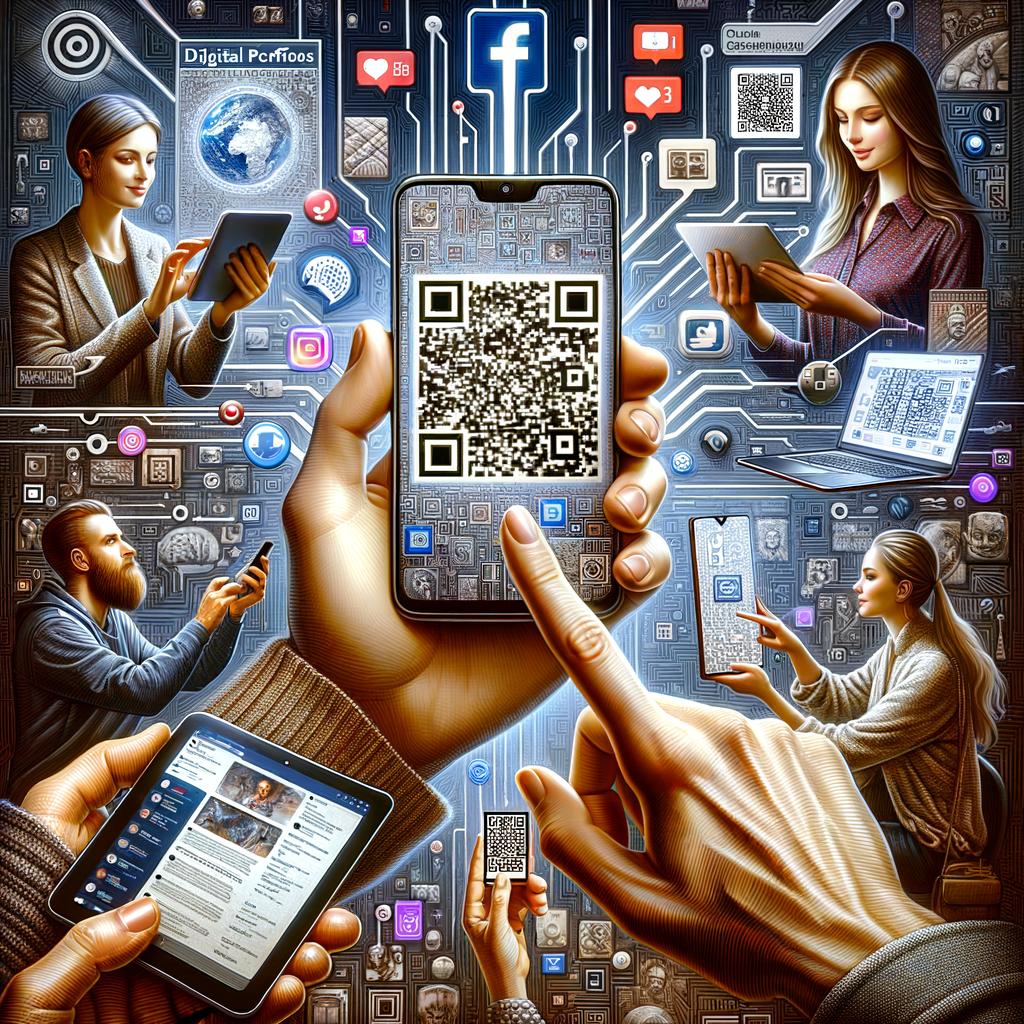
How QR Codes Enhance User Engagement Across Multiple Platforms
QR codes have revolutionized how brands and content creators connect with their audiences. Unlike customary marketing tools, these codes offer a bridge between the physical and digital worlds, allowing users to access information rapidly and effortlessly. By simply scanning a code with their smartphones, users are directed to various online platforms, weather itS a website, a social media profile, or a promotional video.This instant access enhances user engagement by reducing barriers to information consumption and creating a seamless interaction experience.
Moreover, the versatility of QR codes is unparalleled. They can be embedded in a multitude of media, from print advertisements to product packaging, making them highly adaptable. Brands can customize QR codes to reflect their identity, incorporating logos and colors, which helps in maintaining visual consistency. With the ability to link to targeted content, such as exclusive offers or event registrations, QR codes empower users to engage with brands on a deeper level. This not only encourages immediate action but also fosters a sense of community and loyalty among users.
Lastly, analytics associated with QR code usage provide valuable insights to marketers and businesses. Tracking scan rates,user demographics,and the effectiveness of campaigns allows for real-time adjustments and optimized engagement strategies. This data-driven approach helps brands understand their audience better and adapt their marketing efforts accordingly. As technology continues to evolve, integrating QR codes into user engagement strategies will likely become essential for brands seeking to enhance interaction and connect effectively across multiple platforms.
The Future of QR Codes: Innovations and Applications in a Digital Society
The rapid evolution of technology has positioned QR codes as versatile tools in our digital landscape. These codes have transcended their initial purpose of merely linking to websites, adapting to a variety of applications across multiple sectors. With smartphones now ubiquitous, the ability to scan QR codes has become integral to how we interact with information, goods, and services.Businesses are now leveraging this technology not just for marketing, but also for improving customer engagement and enhancing user experiences.
As we look to the future, we see a trend towards innovative uses of QR codes that go beyond traditional applications. As an example, in retail environments, QR codes can facilitate contactless payment methods, allowing for a seamless checkout process that prioritizes customer convenience and safety. Moreover, in the realm of event management, QR codes are being employed to streamline access controls, enabling efficient ticketing and registration processes. This technological integration ensures that businesses can operate more fluidly, while also appealing to tech-savvy consumers.
Additionally, the merging of QR codes with artificial intelligence and augmented reality opens new doors for interaction. Smart QR codes can gather analytics, offering real-time feedback on user engagement and behavior. Consequently, companies are equipped with valuable insights that can inform marketing strategies and improve customer experiences. The integration of AR with QR codes has given rise to immersive experiences where consumers can learn about products in-depth or visualize how they would fit into their environment before making a purchase, ultimately revolutionizing consumer decision-making.
As we have explored in this comprehensive examination of QR codes, it is indeed evident that these digital tools are transforming the landscape of engagement across industries.From enhancing customer experiences to streamlining transactions, the versatility of QR codes makes them an invaluable asset in the digital age. As businesses continue to embrace this technology,it is essential for both consumers and enterprises to understand their potential and implications. Embracing QR codes not only unlocks new avenues for interaction but also paves the way for future innovations in connectivity and data sharing. As we move forward,staying informed about these developments will empower us to navigate the evolving realm of digital engagement more effectively.