
The Foundations of Peer-to-Peer Networks: A Deep Dive into Their Structure and Functionality
At the core of peer-to-peer networks lies a decentralized architecture that contrasts sharply with conventional client-server models. In a peer-to-peer network, every participant, or node, functions both as a client and a server, sharing resources directly with othre nodes without the need for a central authority. This structure not only enhances the resilience of the network by eliminating a single point of failure but also distributes the processing load among all users,enabling more efficient data sharing. Nodes in such networks can communicate directly, offering adaptability and speed in the transfer of details.
Interoperability is another key feature of peer-to-peer networks. Protocols facilitate communication and ensure that different types of nodes can interact seamlessly, regardless of their underlying technology. Commonly used protocols include BitTorrent for file sharing and blockchain for decentralized transactions. These protocols lay the groundwork for robust data exchange and can be adapted for various applications, from informal file transfers to complex financial transactions. By leveraging such protocols, developers can innovate and create applications that operate without reliance on traditional intermediaries.
The security of peer-to-peer networks is bolstered through distributed consensus mechanisms. these mechanisms,such as proof of work or proof of stake,ensure that all nodes can agree on the validity of transactions and the state of data sharing without the need for a centralized authority.This approach not only enhances trust among users but also mitigates the risks associated with data tampering and unauthorized access. As users engage more deeply with their digital identities, the security measures inherent in peer-to-peer networks will play a critical role in enabling them to control and safeguard their information within the evolving landscape of the internet.
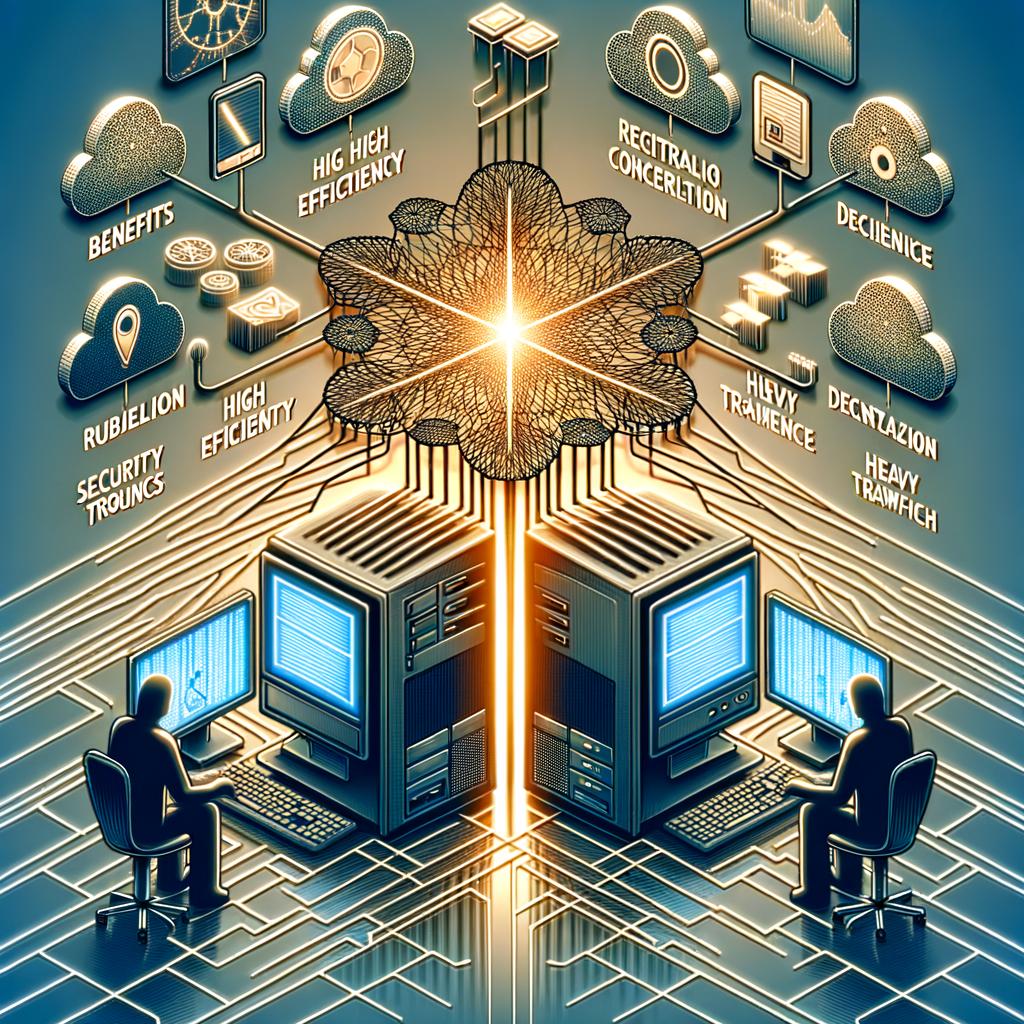
Exploring the Benefits and Challenges of Peer-to-Peer Networking
Peer-to-peer (P2P) networking has emerged as a transformative force in the realm of digital communication and file sharing. This decentralized model allows individual users to connect directly with one another, facilitating the exchange of data without the need for centralized servers. Among the most notable benefits of P2P networking is enhanced system resilience. By distributing data across a network of users, the risk of a single point of failure is minimized, making the network more robust against outages and attacks. Furthermore, P2P networking can lead to increased bandwidth efficiency, as data can be shared among users without straining centralized resources. This democratized approach often results in faster download and upload speeds for users, fostering a more efficient sharing habitat.
Though, while the advantages of P2P networking are notable, the model is not without its challenges. One of the most pressing concerns is related to security and privacy. As users connect directly with one another, the risk of exposure to malicious activities increases, as data can be intercepted during transmission. Additionally, users may unintentionally share sensitive information if they are not careful about their network settings. Another major challenge lies in content regulation. Given the decentralized nature of P2P networks, it becomes increasingly arduous for authorities to monitor or control illegal activities, leading to potential legal implications for users and platforms alike.
As the digital landscape continues to evolve, users must strike a balance between the benefits and challenges presented by P2P networking.Awareness and education about secure practices are essential for maximizing the advantages while mitigating the risks. Users should employ robust encryption methods to protect their data and be vigilant about the sharing of personal information. Furthermore, fostering a culture of obligation within P2P communities can promote ethical sharing practices and contribute to a safer online environment. By navigating these complexities, users can fully harness the power of peer-to-peer networking.
Real-world Applications: how Peer-to-Peer Networks are Transforming Technology and Society
peer-to-peer (P2P) networks have begun to reshape various sectors by enabling direct connections between users, circumventing traditional intermediaries. This shift has profound implications for how we share resources, engage in commerce, and communicate. Decentralized finance (DeFi) stands out as a transformative request of P2P technology, allowing individuals to participate in financial systems without needing banks or centralized platforms. Users can lend,borrow,and trade assets directly with one another,often resulting in faster transactions and reduced fees. with smart contracts facilitating these exchanges, P2P networks empower users by granting them greater control over their financial activities.
In creative industries, P2P networks revolutionize how content is created and consumed. Blockchain-based platforms are increasingly emerging as alternatives to traditional media distribution channels. Artists and creators can connect directly with their audiences, eliminating the need for intermediaries like record labels or publishers. This not only increases revenue for creators but also fosters a more direct relationship with their fans. Moreover, through decentralized storage solutions, creators can ensure their work remains protected against censorship and unauthorized alterations, enhancing their ownership rights over their content.
Social interactions are also being transformed by P2P networks through decentralized social media platforms. These platforms prioritize user privacy and data ownership, challenging the dominance of corporate-controlled social media. They allow users to engage without the risk of data exploitation,as information shared on these networks isn’t stored on centralized servers. Community-driven governance models inspire user participation in platform decision-making, granting them a say in how the platform evolves and ensuring that the interests of the community are prioritized.This democratization of social media encourages a healthier digital ecosystem, where users actively shape their online experiences.
our exploration of peer-to-peer networks has illuminated the vital role these decentralized systems play in today’s digital landscape. From file sharing to blockchain technology,the principles of peer interaction and collaboration drive innovation and democratize access to information. As we continue to advance in an increasingly connected world, understanding the intricacies of peer-to-peer relationships not only enhances our technological literacy but also empowers us to navigate and contribute to the evolving digital ecosystem. By embracing the potential of these networks, we can unlock new avenues for cooperation, sharing, and creativity, ultimately shaping a more inclusive and resilient future. Stay informed and engaged as we collectively harness the power of peers in the ever-changing realm of technology.