

The Fundamentals of On-Chain Transactions: What You Need to Know
On-chain transactions refer to any transaction that is recorded on a blockchain, providing a transparent and immutable record of actions taken on the network. Each transaction is validated thru a consensus mechanism, which varies between different blockchains but generally involves multiple nodes reaching an agreement on the state of the ledger. This transparency not only fosters security but also builds trust among users, as all transactions can be audited and traced back without the need for central authority oversight.
The importance of on-chain transactions is underscored by their role in facilitating various applications, from cryptocurrency transfers to smart contracts. In particular, these transactions enable secure and programmable interactions, which can automatically execute actions based on predefined conditions. As the ecosystem expands, there are several critical aspects to consider:
- Scalability: As user activity grows, blockchains must handle increasing transaction volumes without sacrificing speed or efficiency.
- Fees: On-chain transactions often incur fees that can vary based on network congestion,making it essential for users to strategize their transaction timing.
- Interoperability: Integration between different blockchains can enhance functionality and user experience,allowing for a broader range of services without being confined to a single network.
Moreover, the evolving regulatory landscape around cryptocurrencies is affecting on-chain transactions substantially. Governments and regulatory bodies are increasingly focusing on implementing frameworks that can impact how these transactions are conducted. This scrutiny underlines the importance of compliance and security in the blockchain environment, as entities involved in on-chain activities must ensure they adhere to legal standards while maximizing the benefits of decentralization. Understanding these essential aspects is vital for anyone participating in or developing within the blockchain space.
How On-Chain Activities Drive Blockchain Functionality and Growth
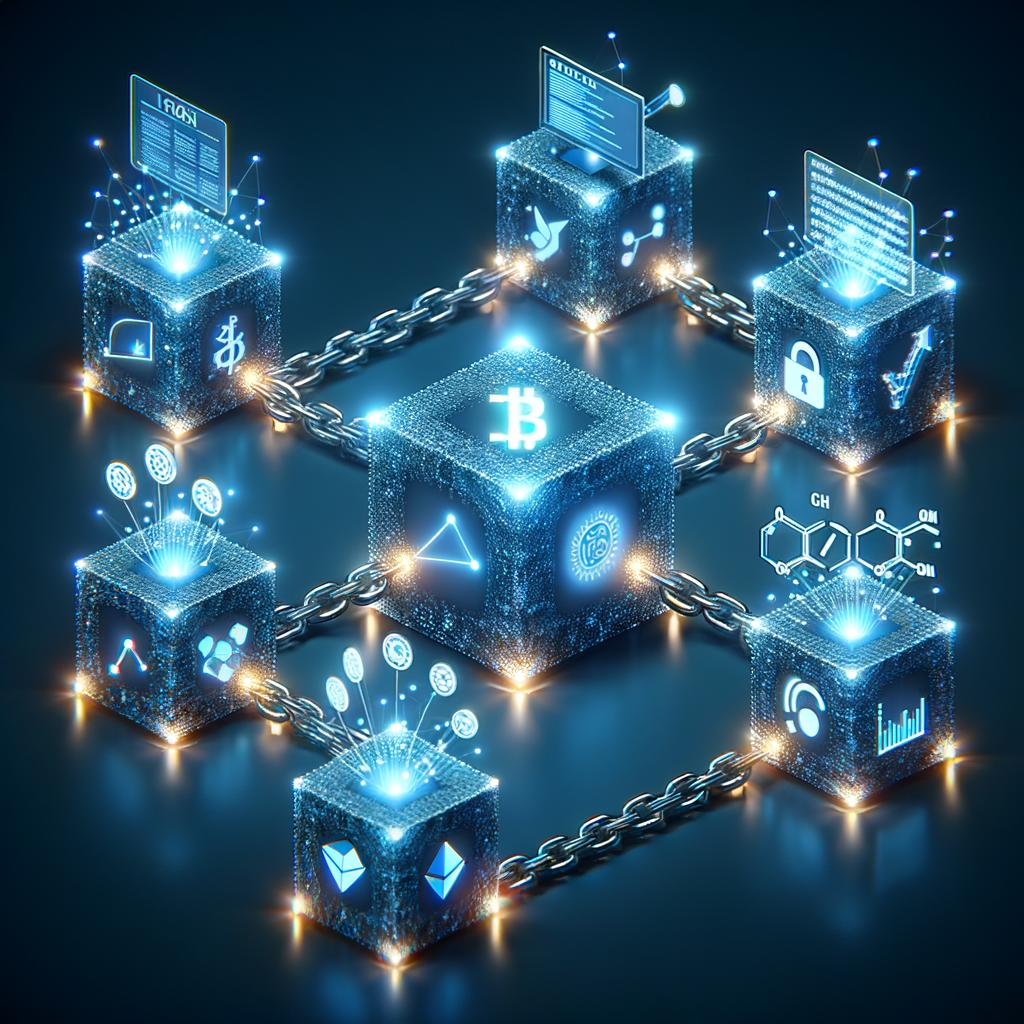
On-chain activities are crucial for enhancing the overall functionality and growth of blockchain ecosystems. These activities include transactions,smart contract executions,and decentralized submission (dApp) interactions. As more users engage with the blockchain by executing transactions, the network demonstrates its utility and reliability, which in turn fosters greater adoption and confidence among potential new users. This increased trust can lead to a virtuous cycle where more participants joining the ecosystem further enhance its value and performance.
The rise in on-chain activities often correlates directly with the introduction of innovative features and services within the blockchain. For instance, as developers launch new dApps that serve varied use cases such as finance, gaming, and supply chain management, they stimulate a higher volume of on-chain interactions. These innovations can result in better scalability and efficiency for the network. Some key components that benefit from this growth include:
- Improved transaction speeds and lower fees
- Enhanced security through increased decentralized validation
- A richer ecosystem of participants and applications
Moreover, the data generated from on-chain activities plays a vital role in informing future development and updates of the blockchain protocol. By analyzing patterns and user behavior, project developers can identify bottlenecks, optimize processes, and introduce upgrades that meet the evolving needs of the community. Additionally, a robust on-chain activity landscape often attracts greater investment and partnerships as stakeholders recognize the potential for sustained growth and a vibrant, engaged user base. This creates an environment rich in opportunities for everyone involved in the blockchain ecosystem.
Navigating the Ecosystem: The Role of On-Chain Transactions in Decentralized finance
On-chain transactions are fundamental to the functionality of decentralized finance (DeFi), serving as the backbone for a myriad of financial services and applications.These transactions occur directly on blockchain networks, enabling greater transparency, security, and efficiency compared to conventional financial systems. By utilizing smart contracts,users can execute complex financial operations automatically,without the need for intermediaries,thereby reducing costs and increasing access to financial services for individuals globally.
The rise of DeFi has led to an explosion in on-chain activities, fostering a variety of platforms for lending, borrowing, and trading. This ecosystem is characterized by user-driven governance, wherein stakeholders actively participate in decision-making processes. Key components of DeFi include:
- Liquidity Pools: these are collections of cryptocurrencies locked in a smart contract, allowing users to trade tokens seamlessly while earning interest on their holdings.
- Automated Market Makers (AMMs): These algorithms determine asset prices based on supply and demand, providing liquidity to traders and users without requiring order books.
- Yield Farming: This practice involves staking or lending cryptocurrencies to earn returns, incentivizing users to contribute liquidity to various platforms.
As the DeFi landscape continues to evolve,the significance of on-chain transactions becomes increasingly apparent.They not only facilitate immediate and direct transactions but also empower users with complete control over their assets. Moreover, the immutable nature of blockchain technology ensures that all transactions are recorded transparently and securely, minimizing counterparty risk and enhancing trust within the ecosystem. As more investors and users flock to DeFi, the reliance on on-chain transactions will likely intensify, heralding a new era of decentralized financial services.
on-chain transactions are not merely the foundation of blockchain technology; they embody the essence of decentralization and transparency that defines this innovative paradigm. As we have explored throughout this article, the mechanics of on-chain transactions facilitate not just the movement of digital assets but also the trustless exchange of data across networks. By understanding their intricacies, stakeholders can better navigate the evolving landscape of blockchain, whether they are developers, investors, or enthusiasts. As the ecosystem continues to expand and mature, fostering greater adoption and innovation, grasping the role of on-chain transactions will be essential for anyone looking to engage meaningfully with this transformative technology. The journey of blockchain is just beginning,and on-chain transactions will remain at its core,driving its future developments and potential.
