
Understanding On-Chain Transactions: The Core Mechanism of Blockchain Functionality
On-chain transactions are the essential operations that occur within a blockchain network, enabling the transfer of assets and data in a secure and clear manner. Each transaction is recorded on the blockchain, creating an immutable ledger that can be accessed by all participants. This decentralization enhances trust among users, as they do not have to rely on a central authority. On-chain activity plays a notable role in the overall health and growth of the ecosystem,as it reflects the level of engagement from users and developers alike.
The operational mechanics behind on-chain transactions involve the use of cryptographic techniques to ensure security and authenticity. When a transaction takes place, it is indeed grouped into a block along with other transactions and then verified by a network of nodes. This verification process employs consensus algorithms, which ensure that all participating nodes agree on the validity of the transactions before they are added to the blockchain. A successful block creation results in the respective transactions being permanently recorded, thus contributing to the transparency of the system. Key components of this process include:
- Transaction Submission: Users submit transactions through their wallets or applications.
- Verification: Nodes validate transactions and reach consensus.
- Block Creation: Validated transactions are bundled into a block.
- Block Addition: The block is added to the existing blockchain.
As the popularity of blockchain networks grows, so does the volume of on-chain transactions. Various factors contribute to this surge, including the introduction of decentralized applications (dApps), increasing use of smart contracts, and the expansion of decentralized finance (DeFi) platforms. Each of these innovations invites more users into the ecosystem, driving demand and reinforcing the importance of on-chain activities. Noteworthy benefits of a thriving on-chain environment include:
- increased Liquidity: More transactions lead to higher liquidity in the market.
- Better User Participation: Active participation enhances community engagement.
- Diverse Use Cases: continued expansion of applications underscores versatility.
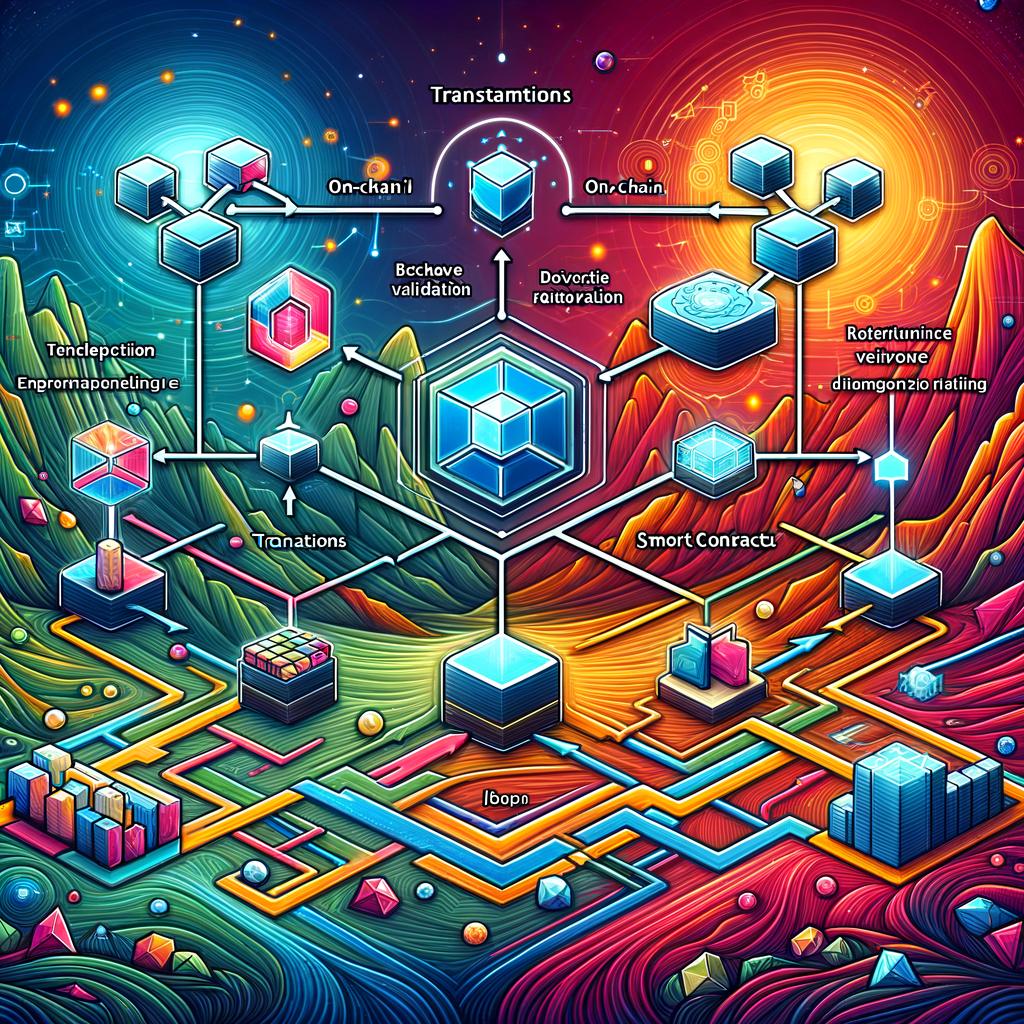
Key Components of On-Chain Activities: How They Drive Network Efficiency
On-chain activities play a crucial role in maintaining the robustness and efficiency of a blockchain network. One of the primary components that drive these activities is transaction volume.High transaction volumes can indicate a vibrant ecosystem where users are actively engaging with various services, including transfers, smart contracts, and decentralized applications (dApps). As a result, the network experiences increased usage, leading to improved performance metrics such as faster confirmation times and better user experiences.
Another key element is smart contract execution. Smart contracts automate processes, allowing for seamless interactions between users without intermediaries. This not only reduces the risk of error but also enhances trust in the system. Each execution of a smart contract generates on-chain data that contributes to the overall health of the network, as it continuously verifies and updates the state of the blockchain. This is notably vital for platforms that rely on complex dApps, where efficiency and speed are paramount.
the security measures in place, such as consensus mechanisms and validation processes, are integral to the network’s integrity.As on-chain activities increase, the system must adapt to handle heightened transactional demands without compromising security. various consensus algorithms, such as Proof of Stake or Proof of Work, need to efficiently validate transactions while securing the network against potential attacks. This delicate balance ensures that as user engagement grows, the network remains resilient and trustworthy, fostering further expansion of its ecosystem.
The Future of On-Chain Interactions: Trends and Implications for blockchain Growth
The landscape of on-chain interactions is poised for significant evolution as various blockchain technologies continue to mature and gain mainstream acceptance. With the increasing decentralization of applications, the integration of smart contracts, and the rise of decentralized finance (DeFi), users are beginning to engage in more complex transactions on blockchain platforms. The future of these interactions will heavily rely on not only improved scalability solutions but also on enhanced user experience, making it easier for non-technical users to participate in the ecosystem.
As blockchain networks expand, trends suggest an imminent shift toward improved interoperability among different chains. This cross-chain functionality will enable seamless transactions and broader collaboration between various platforms, fostering a more decentralized digital economy. The implications for blockchain growth are profound, potentially leading to an environment where users can engage in a variety of services-such as trading, lending, and staking-without being confined to a single network. In this ecosystem, the ability to access multiple blockchain services from a single interface coudl dramatically enhance user engagement and retention.
Moreover, the rise of non-fungible tokens (NFTs) and their applications in areas such as digital art, gaming, and real estate signifies a broader acceptance of on-chain interactions. As industries begin to recognize the value of provenance and ownership offered by blockchain technology,expect to see an increase in partnerships between blockchain startups and customary enterprises. This trend will not only drive adoption but also promote regulatory clarity as governments seek to establish guidelines that encourage innovation while protecting consumers, paving the way for a robust and sustainable blockchain ecosystem.
grasping the intricacies of on-chain activity is essential for anyone looking to navigate the dynamic world of blockchain technology. This foundational element not only illustrates the interactions and engagements of users within the ecosystem but also serves as a window into the health and vitality of decentralized platforms.As the cryptocurrency landscape continues to evolve, a deeper understanding of on-chain data will empower investors, developers, and enthusiasts alike to make informed decisions. By closely monitoring these indicators,stakeholders can better anticipate trends and seize opportunities in this interesting and rapidly changing environment. As we move forward, embracing the complexity of on-chain activity will undoubtedly be key to driving innovation and fostering a robust blockchain future.


