

In an age where health-conscious consumers are increasingly turning to technology for dietary guidance, MyFitnessPal stands out as a leading tool for tracking nutritional intake. With its vast food database and user-friendly interface, the app has garnered millions of users dedicated to understanding their eating habits and improving their overall health. However, the accuracy of the food logging feature and the reliability of the database raise essential questions for users seeking precise nutritional details. As individuals embark on their wellness journeys, it becomes crucial to explore how MyFitnessPal’s food database works, the challenges of logging accuracy, and the potential implications for users striving to meet their nutritional goals. In this article, we delve into the intricacies of MyFitnessPal’s food database and the ramifications it carries for accurate food tracking, providing valuable insights for both seasoned users and newcomers alike.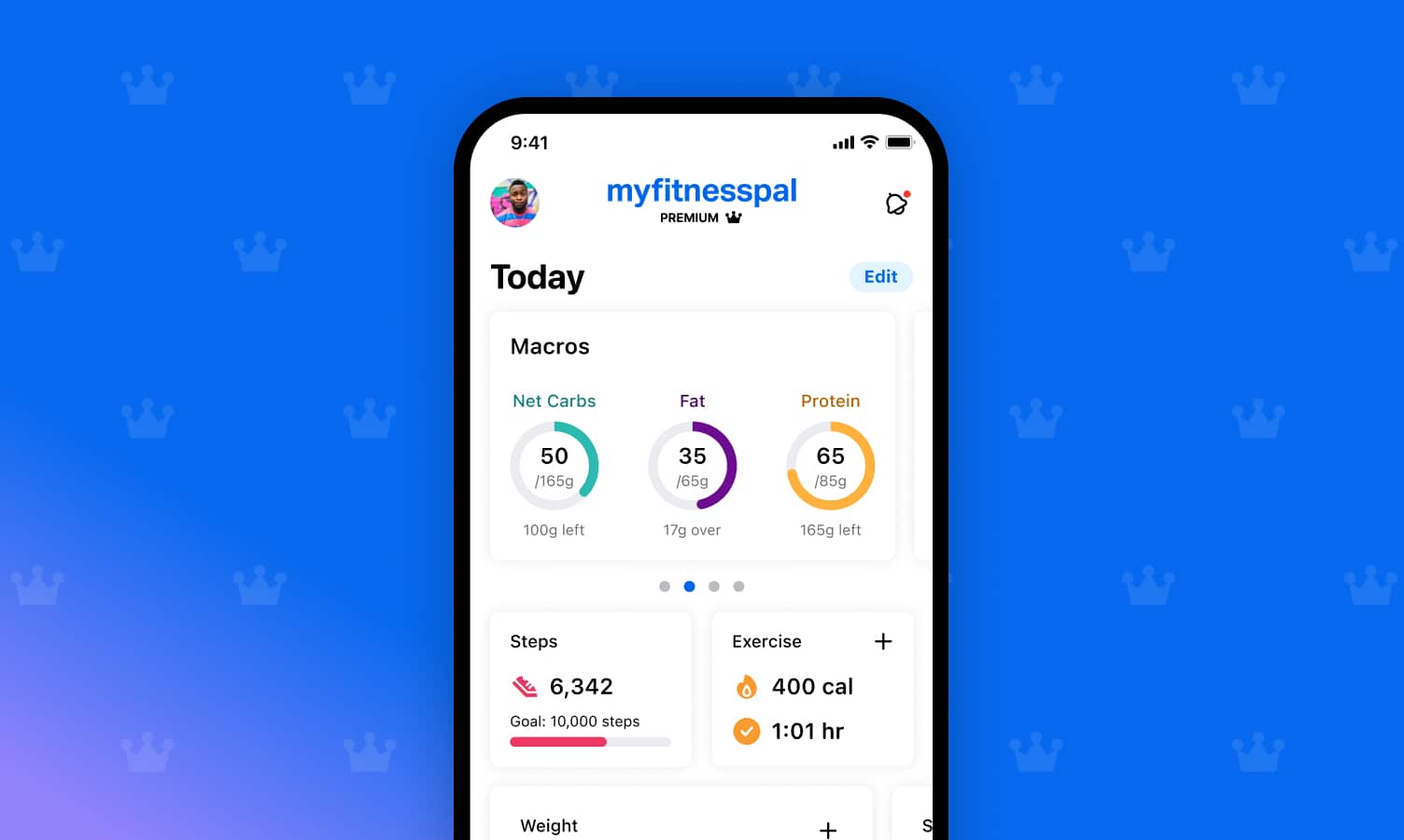
Understanding the Scope and Depth of MyFitnessPal’s Food Database
MyFitnessPal boasts one of the most extensive food databases available, offering users a wide array of options to track their dietary intake accurately. With over 11 million foods listed, this platform caters to diverse dietary preferences, from vegan and gluten-free to customary cuisine. Users can effortlessly search for items by name, browse through popular restaurant menus, or even scan barcodes with their smartphone cameras. This convenience ensures that tracking your meals is not only quick but also customizable to fit your unique nutritional requirements.
To enhance logging accuracy, MyFitnessPal encourages community contributions, meaning that users can add new food items and correct any inaccuracies in existing entries. While this feature enriches the database, it also necessitates a level of scrutiny to verify the information. Key considerations for ensuring accurate logging include:
- Reviewing user-generated entries to cross-check calories and nutrient values.
- Utilizing the ‘verified’ badge for more reliable food items.
- Inputting homemade recipes with precise ingredient measurements for personalized tracking.
by following these practices, users can maximize the effectiveness of MyFitnessPal’s extensive database, ensuring they are equipped to meet their health and fitness goals with accuracy and confidence.
Evaluating the Accuracy of User-Submitted Food Entries
As a user of MyFitnessPal, its essential to recognize the dual nature of its extensive food database, wich relies heavily on user-submitted entries. While this feature enhances user engagement and accessibility, it can also lead to variability in the accuracy of nutritional information.Studies show that inaccuracies can stem from a range of factors, including inconsistent portion sizes, outdated food entries, or misreported nutritional values. To mitigate these potential pitfalls,it’s advisable to cross-reference entries with verified nutritional facts where possible.
Users can enhance the reliability of their logging by embracing a few practical tips: verify information by checking brand packaging, pay attention to the serving sizes of entries, and select entries that feature higher ratings or frequent usage among users.Additionally, MyFitnessPal provides options to customize and create your own food entries, allowing for greater control over the nutritional values logged. This step not only fosters accuracy in tracking but also aids in building a more robust personal food database tailored to specific dietary needs.

Best Practices for Logging Meals to Ensure Nutritional Precision
To achieve optimal nutritional precision while using MyFitnessPal, follow these best practices that enhance the accuracy of meal logging. First, always weigh and measure your food before inputting it into the app. This step ensures that you are capturing the correct portion sizes, which is crucial in monitoring your macronutrient ratios and caloric intake. Additionally,whenever possible,opt for foods that have been scanned from the barcode; this feature provides reliable nutritional information that has been verified by other users. Always double-check entries against nutritional labels or trusted sources to confirm their accuracy.
Furthermore, take advantage of MyFitnessPal’s robust food database by regularly updating your personal recipes and frequent meals. Creating custom entries allows you to fine-tune the nutritional aspects of the dishes you frequently enough prepare. Remember to utilize the “Quick add” feature for snacks or ingredients that may lack precise data, ensuring that your overall nutrient intake remains balanced. Regularly reviewing your logged meals can definitely help identify trends and areas for enhancement, promoting informed decisions that align with your dietary goals.

Leveraging MyFitnessPal’s Features for Enhanced Food Tracking Accuracy
To fully utilize MyFitnessPal’s extensive food database, users should familiarize themselves with its various features that enhance tracking accuracy. Custom entries and barcode scanning are formidable tools that allow for precise logging of food items. When entering foods manually, it is recommended to cross-check with nutrition labels or reputable online databases to ensure accuracy. moreover, users can create their own recipes or meals, which lets them adjust portion sizes to reflect how they actually consume their food, leading to more tailored tracking results.
In addition, MyFitnessPal’s community engagement can provide insights into food logging practices. Joining forums or groups within the app gives users access to discussions where they can learn about others’ experiences and get tips on maintaining accurate records of their diet. furthermore, MyFitnessPal allows for regular synching with fitness trackers, which can automatically log calories burned and adjust daily intake recommendations accordingly. As users engage with these features, they can create a holistic view of their dietary habits, ultimately fostering a more informed approach to health and nutrition.
Closing Remarks
understanding MyFitnessPal’s food database and its logging accuracy is essential for anyone committed to tracking their nutrition effectively. With a vast array of food items and user-generated entries, the platform offers a complete tool for meal logging. Though, users must remain vigilant about potential inaccuracies and inconsistencies that can arise within the database. By familiarizing themselves with the app’s features and best practices for food entry, individuals can leverage MyFitnessPal to achieve their dietary goals while making informed choices about their health. as more people turn to digital solutions for nutrition tracking, staying informed will be key to maximizing the benefits of this popular app.


