

The Mechanics of Inflation: What Drives Price Increases and How They Impact Consumers
Inflation is primarily driven by a combination of demand-pull and cost-push factors. Demand-pull inflation occurs when consumer demand for goods and services exceeds supply, frequently enough fueled by increased consumer spending, government expenditure, or an expansionary monetary policy that lowers interest rates. On the other hand, cost-push inflation arises when the costs of production rise, leading businesses to increase prices to maintain profit margins. This can be caused by a variety of factors, including wage increases, surges in raw material costs, or supply chain disruptions, which have become especially pronounced in recent years.
The interplay between thes factors creates a complex economic surroundings that considerably impacts consumer behavior. As prices rise, consumers face decreased purchasing power, meaning that their income buys less than before. This can lead to altered spending habits, with individuals prioritizing essential goods and services over luxury items. As goods become more expensive, consumers may also seek alternatives, switching from brand-name products to generic ones or opting for second-hand items, thus reshaping the market dynamics.
The broader economic implications of sustained inflation can be profound. Higher inflation rates can erode savings and impact interest rates,leading to a range of economic responses. Central banks may decide to increase interest rates in an attempt to curb inflation, which could eventually slow down economic growth. For businesses,the uncertainty spawned by fluctuating prices can hinder investment decisions,thereby affecting job creation and overall economic stability. Understanding these mechanisms is crucial for both consumers and policymakers in navigating the intricacies of a fluctuating economy.
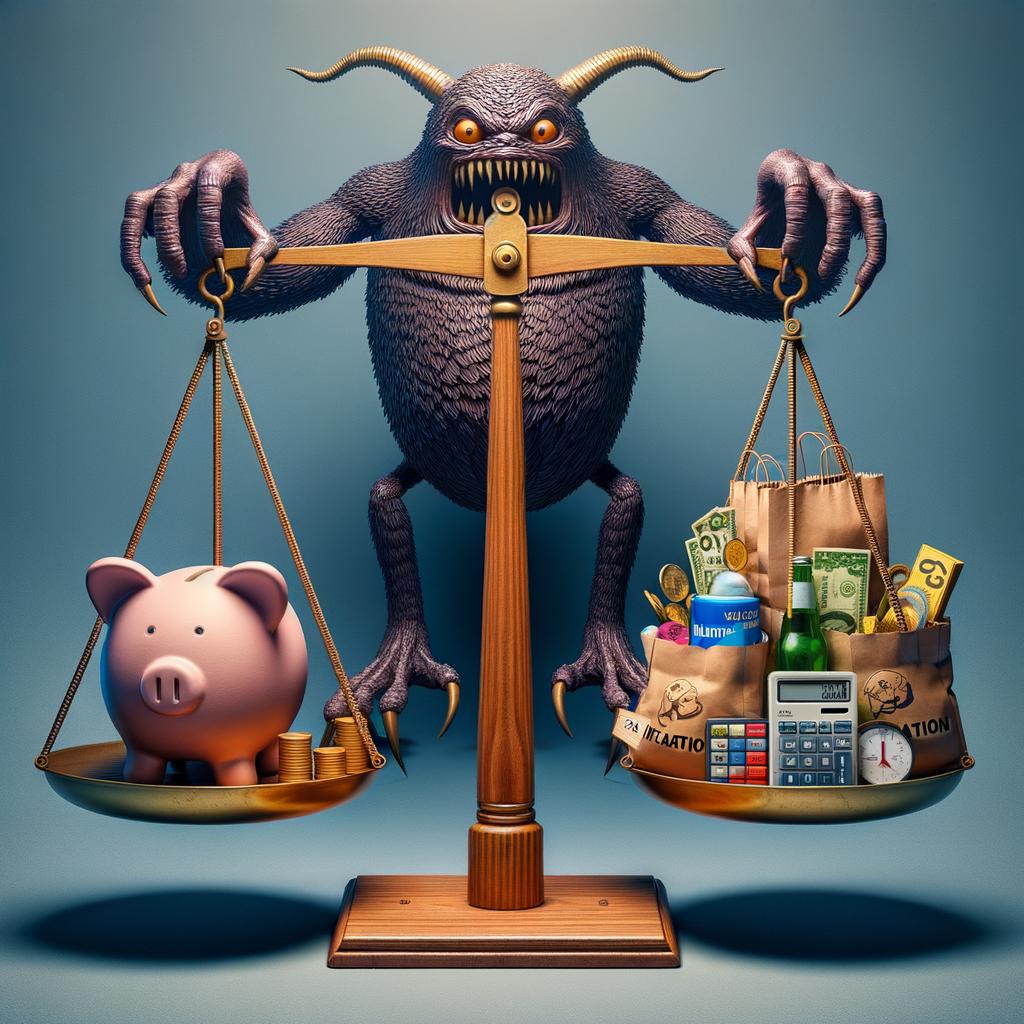
The Personal Finance Equation: How Inflation Affects Your Savings and Spending Habits
Inflation is a critical factor that dramatically influences both savings and spending habits. When prices rise, the purchasing power of money decreases, meaning that individuals can buy less with the same amount of money than they could previously. This decline in purchasing power may prompt consumers to adjust their spending habits, often prioritizing essential purchases over discretionary spending. To effectively navigate these changes, individuals must understand how inflation alters the value of their savings and their overall financial strategy.
As inflation persists,it becomes imperative for savers to seek out financial instruments that yield returns that at least match or exceed the inflation rate. Customary savings accounts may offer minimal interest, which often fails to keep pace with rising prices. Consequently, individuals might explore alternatives such as:
- Stocks – Generally provide higher returns, albeit with increased risk.
- Real estate – Often appreciates over time and can serve as a hedge against inflation.
- Inflation-protected securities – Specifically designed to adjust with inflation, offering a safety net for savers.
On the spending side,inflation can lead to a recalibration of consumer priorities. As essential goods become more expensive, people may feel the pressure to alter their consumption patterns, opting for cost-effective alternatives. This shift in behavior may manifest in various ways, including:
- Decreased discretionary spending - Less money is allocated toward luxury items or non-essential services.
- Increased comparison shopping – Consumers may invest more time in seeking out the best deals to maximize their purchasing power.
- Bulk buying – Purchasing in larger quantities to take advantage of lower prices per unit before further price increases.
Strategies for Financial Resilience: Navigating inflation in Today’s Economy
In today’s economic landscape,individuals and families face the persistent challenge of inflation,which erodes purchasing power and complicates financial planning. To build financial resilience, it is indeed essential to adopt proactive strategies that mitigate the effects of rising prices. One crucial tactic is to diversify income sources. This could involve exploring side jobs, freelance opportunities, or investments in income-generating assets. By broadening income streams, households can better withstand economic shocks and reduce reliance on a single paycheck.
Additionally, reviewing and adjusting budgets plays a vital role in navigating inflationary pressures. Individuals should evaluate their spending habits, identifying areas where cuts can be made without significantly impacting quality of life. Implementing cost-effective alternatives in everyday expenses-such as cooking at home rather than dining out or utilizing public transportation instead of driving-can enhance savings. Moreover, establishing an emergency fund that covers several months of expenses can serve as a financial buffer against unexpected disruptions.
staying informed about market trends and economic indicators is essential for making learned financial decisions. Keeping abreast of inflation forecasts and adjusting investment strategies accordingly can help preserve wealth. Investors may consider reallocating assets towards more resilient sectors, such as utilities or consumer staples, which tend to perform well during inflationary periods. Engaging with financial advisors or utilizing technological tools for investment analysis can also provide valuable insights and foster a proactive approach to financial health amidst economic uncertainties.
As we conclude our exploration of inflation and its implications for personal finances, it is indeed vital to grasp that understanding this economic phenomenon is not just an academic exercise, but a necessary skill for financial health in an ever-evolving marketplace. Inflation, characterized by the steady rise in prices across goods and services, can erode purchasing power and impact investment decisions, savings, and overall economic wellbeing.
Navigating inflation requires vigilance and proactive strategies.From adjusting spending habits to considering inflation-protected investments, individuals can arm themselves against the encroaching effects of rising prices. Moreover,staying informed about economic trends and monetary policy can empower consumers to make wiser financial choices in uncertain times.
As we move into what manny call “The Inflation Age,” the importance of financial literacy continues to rise.By equipping ourselves with knowledge, we are better positioned to adapt to changes and seize opportunities that may arise in fluctuating economic climates. Remember, staying informed is the first step towards achieving financial resilience in the face of inflation.


