

What Are Custodial Wallets and How Do They Work?
custodial wallets are services that hold and manage your cryptocurrency on your behalf. Unlike self-custody wallets, where users have complete control over their private keys and funds, custodial wallets entrust this obligation to a third party. These wallets are frequently enough provided by cryptocurrency exchanges, financial institutions, or specialized wallet service providers, who take on the burden of securing your assets while offering ease of access.
One of the defining characteristics of custodial wallets is the user experience they provide. They typically feature user-amiable interfaces that simplify the process of buying, selling, and exchanging cryptocurrencies. This makes them notably appealing to newcomers and those who may not be well-versed in the technical intricacies of blockchain technology. However, this convenience comes with its own set of risks, primarily revolving around security and trust in the service provider.
When using a custodial wallet, users must rely on the service provider to safeguard their private keys and funds. This means that if the service experiences a data breach, shutdown, or any other form of operational failure, users could potentially lose access to their assets. Thus, while custodial wallets offer a simplified and straightforward way to handle cryptocurrency, they do require users to conduct thorough research on the providers to understand their security measures and track record in safeguarding asset integrity.
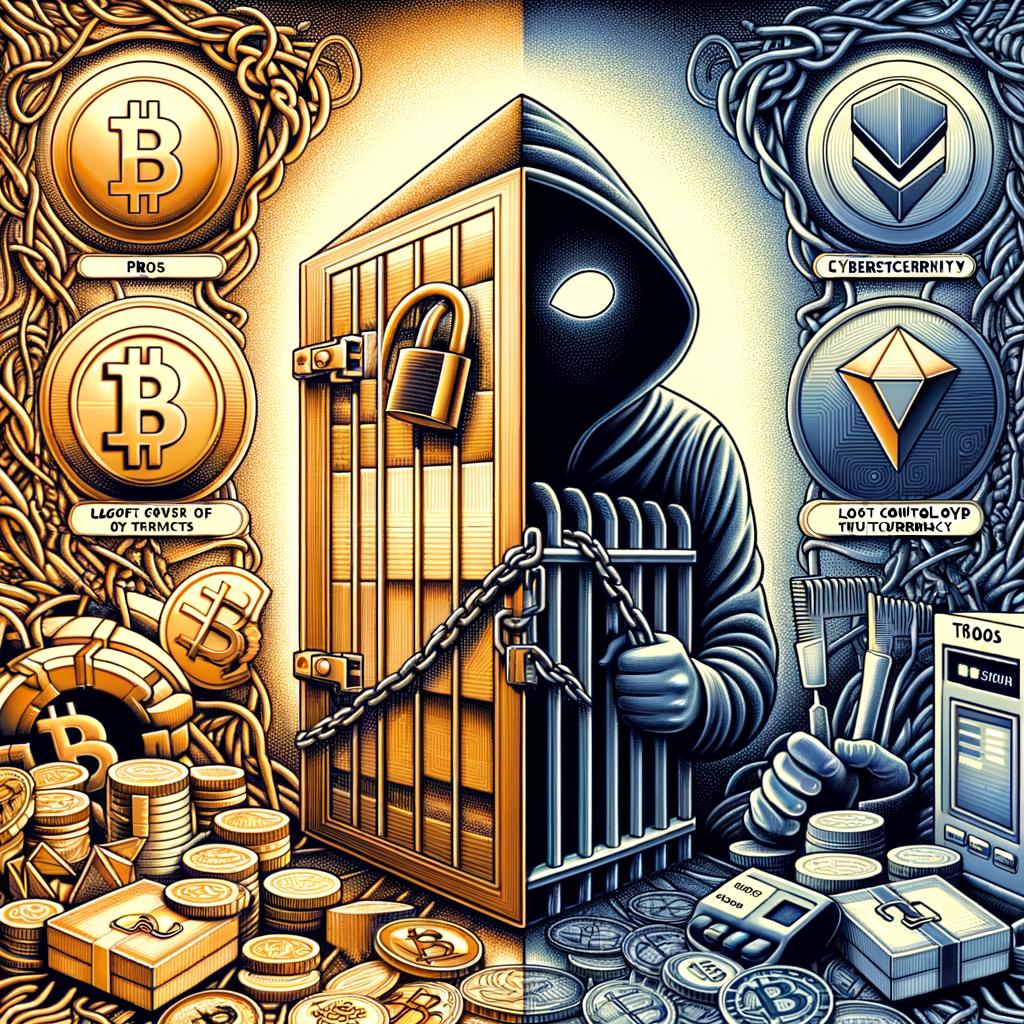
The Pros and Cons of Using Custodial Wallets for Cryptocurrency
Custodial wallets, often managed by third-party services, provide a user-friendly option for cryptocurrency storage, especially for those new to the digital asset space. one major advantage of these wallets is their ease of use; users can quickly set up an account and start trading without needing extensive technical knowledge. Moreover, custodial services usually offer top-notch security features, such as two-factor authentication (2FA) and cold storage options, which help protect users’ assets against potential threats.
However, the reliance on a third-party service introduces several inherent risks. The most important concern is the issue of trust; users must place their confidence in the custodial provider to safeguard their funds. this centralization also means that the provider can potentially freeze or limit access to accounts, which may lead to a loss of funds or access during unexpected situations. Additionally, the user does not retain control over the private keys, meaning that if the service were to suffer a breach or go out of business, users might find themselves unable to retrieve their assets.
while custodial wallets offer convenience and enhanced security features, users must weigh these benefits against the potential drawbacks associated with third-party control. For those who prioritize ease-of-use and are less concerned about full control over their assets, custodial wallets may be a suitable choice. Conversely, more experienced users or those prioritizing autonomy and security might prefer alternatives like hardware or non-custodial wallets to mitigate risks associated with centralized storage.
Key Factors to Consider When Choosing a Custodial Wallet
When evaluating custodial wallet options for Bitcoin storage, it is essential to look into regulatory compliance. A custodian that operates within a framework of local and international regulations not only signifies legitimacy but also indicates a commitment to protecting customer interests. This compliance frequently enough results in enhanced security protocols and accountability, ensuring that the custodian adheres to best practices in the industry. Investigating whether the custodian is registered with relevant regulatory bodies can provide insight into their operational legitimacy.
Another critical area to assess is the security measures implemented by the custodian. Consider the following features to determine the level of protection offered:
- Multi-signature Technology: This process involves multiple keys for transactions, reducing the risk of unauthorized access.
- Cold Storage Solutions: Storing assets offline considerably minimizes exposure to online threats.
- Regular Security Audits: Frequent audits by third-party firms can help ensure that the custodian maintains secure practices and identifies vulnerabilities.
Additionally, a custodian’s insurance coverage is a vital factor in protecting your investments. It is essential to inquire whether the custodian carries insurance that covers potential losses due to theft, hacking, or operational failures.Understanding the extent of this insurance can give you peace of mind, knowing that your assets are safeguarded against unforeseen events. To further gauge the custodian’s reliability, researching their reputation within the cryptocurrency community is also advisable. Look for user reviews, testimonials, and any history of security breaches that could signal a red flag.
custodial wallets serve as a double-edged sword in the evolving landscape of cryptocurrency. While they provide users with a user-friendly experience and enhanced accessibility to their digital assets, the trade-offs in terms of security and control can be significant. As cryptocurrency continues to gain popularity, it is imperative for users to educate themselves on the implications of using custodial wallets. By understanding the balance between convenience and risk, individuals can make informed decisions that align with their financial goals and security needs.With this knowledge, you can navigate the world of cryptocurrencies with greater confidence, ensuring that your assets are managed in a way that suits your unique circumstances. Stay informed and always prioritize your security in this dynamic financial ecosystem.


