

“The Foundations of Blockchain Technology: What you Need to Know”
At its core, blockchain technology is a distributed ledger system that enables multiple participants to maintain a shared database without requiring a central authority. This characteristic fosters transparency and security, as all participants have access to the same information, which can significantly reduce the chances of fraud or manipulation. Every transaction is recorded in a block, which is linked to the previous block, forming a continuous chain. This structure ensures that once data has been added to the blockchain, it is indeed nearly impractical to alter or delete, thereby enhancing the integrity of the information recorded.
One of the fundamental principles of blockchain is its decentralization. Unlike traditional databases that are usually controlled by a single entity, blockchains operate across a network of computers (or nodes), each of which maintains a copy of the entire ledger. This decentralized framework not only minimizes the risk of a single point of failure but also empowers users by allowing them to have direct control over their transactions. Without intermediaries, blockchain can streamline operations in various sectors, such as finance, supply chain management, and healthcare, leading to reduced costs and increased efficiency.
Security is another crucial aspect of blockchain technology. Transactions are secured through cryptographic techniques, which ensure that data is protected from unauthorized access. Digital signatures guarantee the authenticity of the parties involved, while consensus algorithms, such as Proof of Work or Proof of Stake, verify and validate transactions before they are added to the blockchain. These security measures serve to foster trust among users, making blockchain a viable choice for applications that require high levels of data integrity and security, such as identity verification systems and digital asset management.
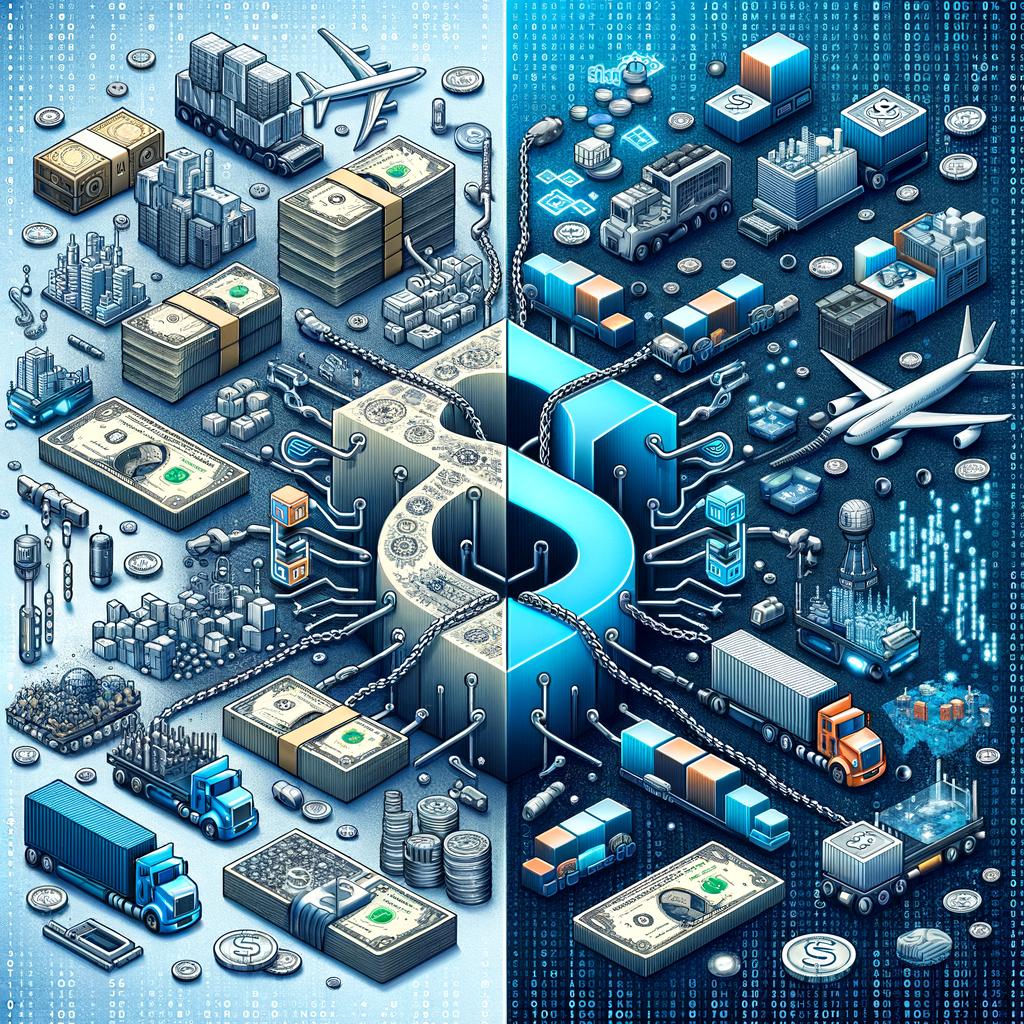
“How Blockchain is Transforming Industries: From Finance to Supply Chain”
Blockchain technology is increasingly recognized for its disruptive potential across various sectors. In finance, it is revolutionizing traditional banking systems by enabling faster, more secure transactions without the need for intermediaries. With the introduction of decentralized finance (DeFi) platforms, individuals can now access financial services like lending and trading directly through smart contracts, minimizing costs and reducing settlement times. Currencies that leverage blockchain further exemplify this shift, allowing for seamless cross-border transactions that challenge established financial norms.
beyond finance, the impact of blockchain extends into the supply chain sector, where transparency and traceability are paramount. By recording every transaction on a decentralized ledger, businesses can track the movement of goods in real-time, ensuring authenticity and reducing the risk of fraud. for instance, companies can verify the origin of products, which is especially critical in industries like food and pharmaceuticals. This level of scrutiny fosters trust among consumers and stakeholders, ultimately driving better business practices and enhancing efficiency.
Moreover, companies across various industries are recognizing the benefits of integrating blockchain into their operations. Healthcare is tapping into this technology to securely store patient records, facilitate data sharing among providers, and streamline billing processes. Real estate transactions are also evolving,with blockchain enabling smart contracts to eliminate the need for paper-based documentation and middlemen,expediting deal closures. As organizations increasingly adopt blockchain, the landscape of modern business continues to shift, underscoring its pivotal role in shaping the future of various industries.
“The future of Innovation: Exploring the Potential of Blockchain Beyond Cryptocurrency”
The blockchain, frequently enough synonymous with cryptocurrency, is rapidly proving its versatility beyond the confines of digital currencies. This decentralized ledger technology provides a clear, secure, and immutable method of recording transactions, which is attracting the attention of various industries. Some of the most promising applications include:
- Supply Chain Management: Blockchain enables real-time tracking of goods, ensuring greater transparency and efficiency.
- Healthcare: Secure medical records and patient data can be shared across systems, improving collaboration among healthcare providers while protecting patient privacy.
- Voting Systems: Blockchain can enhance the integrity of elections by providing verifiable and tamper-proof voting records.
Additionally, innovative startups are exploring blockchain’s potential in sectors such as real estate, where property transactions can be streamlined through smart contracts, eliminating the need for intermediaries. By digitizing assets on a blockchain, buyers can gain access to transparent ownership records, while sellers can benefit from quicker and more efficient transactions. The potential for reducing fraud and increasing trust plays a pivotal role in this change.
moreover, advancements in blockchain technology may pave the way for the emergence of decentralized applications (dApps), fundamentally altering how consumers interact with software. These applications operate on a peer-to-peer network, enabling users to engage directly without relying on centralized authorities. As dApps continue to gain traction, they are expected to disrupt traditional industries, offering enhanced security, reduced costs, and greater innovation.
As we navigate the intricate landscape of digital innovation, understanding blockchain technology becomes paramount. This groundbreaking architecture is not just a foundation for cryptocurrencies; it holds the potential to transform various industries, from finance to supply chain management and beyond. By grasping the principles of blockchain, we empower ourselves to leverage its capabilities fully, fostering transparency, security, and efficiency in an increasingly digital world. As we look ahead, it is clear that blockchain will play a pivotal role in shaping the future of how we interact, transact, and innovate. Stay curious, continue exploring, and embrace the possibilities that lie ahead in this exciting realm of technology.


