
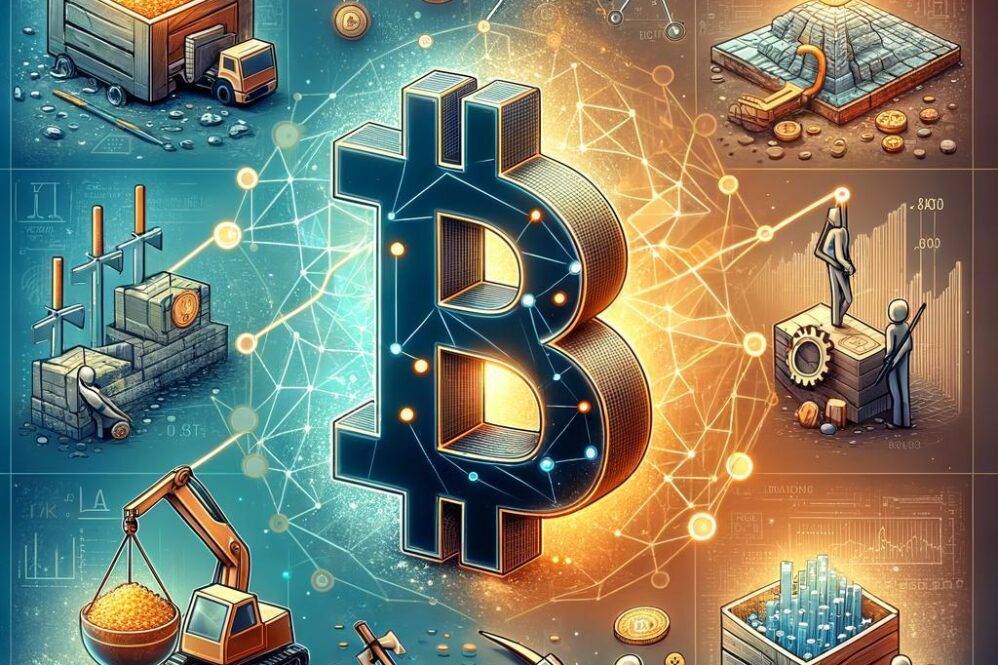
The Mechanics of Block Rewards: How Cryptocurrency Mining Works
At the heart of cryptocurrency mining lies the process of securing and validating transactions on a blockchain network. Miners utilize powerful computers to solve complex mathematical problems,a process known as proof of work. When a miner successfully solves a problem, they create a new block that contains transaction data, effectively adding it to the blockchain. This not only confirms the legitimacy of the transactions but also ensures the integrity of the entire decentralized network.
In return for their computational efforts,miners are rewarded with newly minted coins,known as block rewards. The block reward system serves as an essential economic incentive, encouraging miners to contribute their resources to the network. Over time, however, the size of the reward decreases in a process known as halving, which occurs approximately every four years in the Bitcoin network. This gradual reduction is designed to limit the overall supply of Bitcoin, mimicking the scarcity of precious metals and providing a hedge against inflation.
The rewards structure also plays a critical role in the overall security of the network.As more miners join the ecosystem, the total computing power increases, making it more challenging for any single entity to manipulate the blockchain. Additionally, miners earn transaction fees from users who wish to prioritize their transactions, further diversifying their income sources. the interplay of block rewards and transaction fees not only incentivizes miners but also fortifies the robustness and sustainability of the cryptocurrency ecosystem.
Incentivizing Participation: The Role of Rewards in Blockchain Networks
In blockchain networks,participation is crucial for the overall health and security of the ecosystem. As decentralization encourages users to contribute resources, the implementation of rewards plays a vital role in motivating participation. Through mechanisms like block rewards and transaction fees, participants receive financial incentives that can help sustain their engagement. This approach not only fosters a sense of community but also ensures that users are actively contributing to network operations, such as validating transactions or maintaining consensus.
Many blockchain platforms employ various reward structures designed to align individual interests with those of the network. Such as, proof-of-work systems reward miners with new coins for solving complex mathematical problems, whereas proof-of-stake frameworks delegate rewards based on the quantity of coins held by a participant. This diversity in reward mechanisms allows users to engage in different ways,thus increasing overall participation.Moreover, these incentives can be supplemented with governance tokens, which enable stakeholders to influence decisions on future developments, creating a more democratic space for all participants.
Furthermore, the social and economic dimensions of rewards can drive innovation within blockchain ecosystems.As users strive to maximize their earnings, they may explore new technologies, decentralized applications, and financial products. This competitive spirit can led to the rapid evolution of networks, attracting even more participants keen on capitalizing on emerging opportunities. Ultimately, a well-structured reward system not only enhances participation but also stimulates growth and development, paving the way for a vibrant and resilient blockchain habitat.
The Economic Impact: Understanding the Significance of Block Rewards for Miners and Users
The block reward serves as a crucial incentive for Bitcoin miners,directly impacting the network’s security and efficiency. When a miner successfully adds a new block to the blockchain,they are rewarded with a certain number of newly minted bitcoins and transaction fees from the included transactions. This not only compensates miners for their computational work but also reinforces their role in maintaining the integrity of the network. As the reward halves approximately every four years, this mechanism introduces a scarcity that many believe plays a central role in Bitcoin’s valuation.
For users, the significance of block rewards extends beyond mere numbers. The rewards influence transaction fees,which can fluctuate based on network demand. As miners prioritize transactions with higher fees for inclusion in blocks, users must be strategic about when they initiate transactions. This dynamic relationship underscores the importance of understanding how block rewards affect overall network activity and user costs,possibly swaying individual decisions on when and how to transact.
Moreover,the evolving nature of block rewards raises essential questions about the long-term sustainability of mining. As the rewards diminish over time, the reliance on transaction fees as a primary income source for miners becomes vital. This transition could lead to notable shifts in mining operations and market dynamics.Users should remain vigilant and informed, as these changes will undoubtedly ripple through the ecosystem, shaping everything from network participation to user adoption rates and overall sentiment towards digital currencies.
the concept of block rewards is central to the functioning of cryptocurrency mining, acting as both a driving force and an incentive for miners engaged in this digital frontier. As we have explored, these rewards ensure the security and integrity of blockchain networks while also fostering a competitive environment that encourages innovation and efficiency among miners.Understanding the mechanics of block rewards—whether in terms of Bitcoin’s halving events or the diverse structures seen across various altcoins—provides invaluable insights into the broader economic ecosystem of cryptocurrencies. As the landscape continues to evolve, staying informed about these incentives will not only deepen your appreciation for the technology but also equip you to navigate the future of digital currencies with greater clarity. As we move forward, it remains essential for both enthusiasts and investors to grasp the pivotal role of block rewards in shaping the dynamics of this rapidly growing sector, ensuring that the journey into the world of cryptocurrency remains both enlightening and rewarding.

