
Unpacking Block Rewards: The Heart of Bitcoin Mining Incentives
At the core of Bitcoin’s functioning lies a mechanism designed not only to secure the network but also to incentivize participants through a system of rewards. Each time a miner successfully solves a complex cryptographic puzzle and adds a block to the blockchain, they are compensated with a predetermined amount of Bitcoin. This process is known as “block mining,” and the rewards are critical in ensuring the sustainability of the network. Currently, each block mined rewards miners with 6.25 BTC, though this amount is subject to halving approximately every four years, which is a key factor influencing Bitcoin’s supply and pricing dynamics.
These block rewards serve multiple functions in the Bitcoin ecosystem. First, they incentivize miners to dedicate computational power and energy towards securing the network against fraudulent transactions. This decentralized validation mechanism reinforces trust and integrity within the system. Second, as more miners participate in the network, the increased competition leads to higher levels of security and efficiency, creating what could be described as a self-reinforcing cycle of value creation for all users involved.
Additionally, as the block reward halves, the economic incentive shifts, placing more emphasis on transaction fees as a primary revenue source for miners. This evolution raises important questions about the future of Bitcoin’s security model and its value proposition. As miners adapt to decreased rewards, they may focus on improving transaction efficiency and reducing costs. The balancing act between securing the network while ensuring profitability remains a crucial challenge that shapes Bitcoin’s long-term viability and attractiveness in the financial landscape.
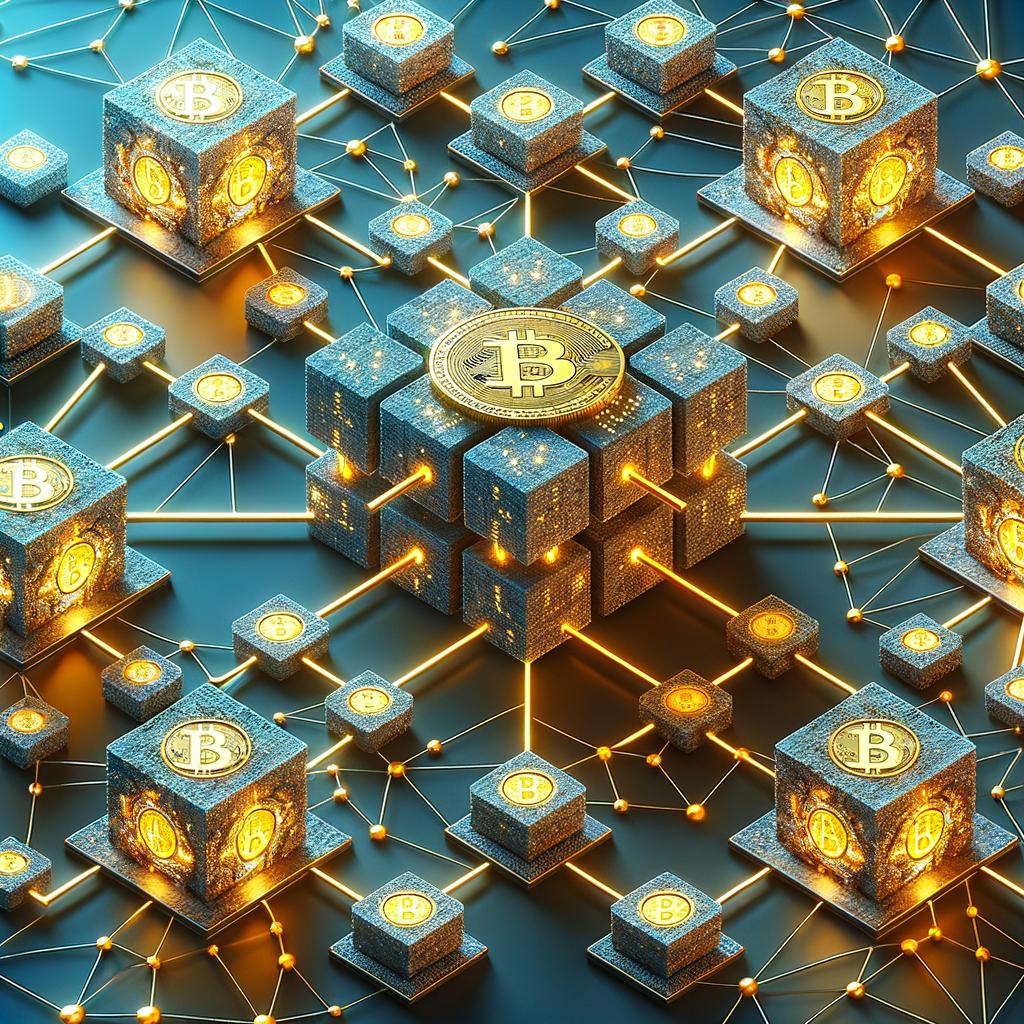
How Block Rewards Drive Network Security and Growth
Block rewards play a crucial role in maintaining the integrity and functionality of blockchain networks.By providing incentives to validators and miners who maintain the network, these rewards ensure that participants remain committed to processing transactions and securing the system. When a new block is successfully added to the blockchain, miners are compensated with a predetermined amount of cryptocurrency, which not only rewards their efforts but also serves as a form of economic motivation to uphold the network’s security.
The relationship between block rewards and network growth is inherently symbiotic. As more users engage with the blockchain,the demand for transaction processing escalates,leading to an increase in the number of miners aiming to capitalize on block rewards. This surge in mining activity enhances the network’s security, as a larger number of validators makes it more difficult for malicious actors to manipulate the system. Additionally, healthy competition among miners can spur technological advancements and efficiencies, further bolstering the performance and resilience of the blockchain.
As blockchain ecosystems evolve,the structure of block rewards can also adapt,influencing both security protocols and overall economic sustainability. With many networks implementing halving events or adjustments to reward mechanisms,the potential for inflation can be mitigated. This strategic approach helps maintain confidence among users and investors, ensuring long-term viability. Furthermore, the introduction of staking mechanisms in proof-of-stake systems offers another layer of security while allowing participants to earn rewards based on their held assets, thereby promoting both engagement and investment in the ecosystem.
The Economics of Mining: Why Block Rewards Matter for Bitcoin’s future
The dynamics of block rewards are crucial in shaping the economic landscape of Bitcoin. As miners validate transactions and secure the network, they are incentivized through block rewards, which consist of newly minted bitcoins and transaction fees. Initially set at 50 bitcoins per block, this reward undergoes a halving approximately every four years, reducing the number of new bitcoins introduced into circulation. The halving events not only create a deflationary pressure on the currency but also significantly influence miners’ viability as a profit-driven enterprise. Understanding this economic model is essential for evaluating Bitcoin’s long-term sustainability and appeal as a store of value.
As the supply of new bitcoins dwindles,the demand dynamics become increasingly important. Market participants frequently enough view the predictable decrease in supply as a bullish signal, leading to speculation about price increases in the aftermath of a halving.This interplay between scarcity and demand can drive investment strategies,as early adopters position themselves ahead of potential price surges. Conversely, if mining becomes less lucrative due to halving events or rising operational costs, a significant shift could occur within the network.Some miners may exit the market, leading to lower network security and further price volatility, which can shake confidence among investors.
Additionally, the ongoing evolution of energy sources and technological advancements play a significant role in influencing mining economics. As awareness of sustainability increases, miners are under pressure to adopt greener technologies or face operational cost increases. This focus on energy consumption could reshape the mining landscape, where only the most efficient and environmentally amiable operations thrive. Ultimately, the economics of mining and block rewards are not just a matter of technical intrigue; they have profound implications for the future robustness and stability of bitcoin as a meaningful financial asset. understanding these factors is vital for stakeholders looking to navigate Bitcoin’s intricate market landscape.
understanding block rewards is essential to grasp the driving forces behind Bitcoin mining and its broader implications within the cryptocurrency ecosystem. These rewards not only serve as financial incentives for miners, facilitating the processing and validation of transactions, but they also play a pivotal role in maintaining the integrity and security of the entire network. As the landscape of digital currencies continues to evolve, so too will the dynamics of block rewards, influencing the strategies employed by miners and the sustainability of this industry. By illuminating the complexities of these incentives, we’ve provided a clearer view of how they underpin the thriving world of bitcoin mining. As we move forward, it will be crucial for stakeholders and enthusiasts alike to keep abreast of these developments, understanding their potential impact on the future of finance, technology, and beyond.