
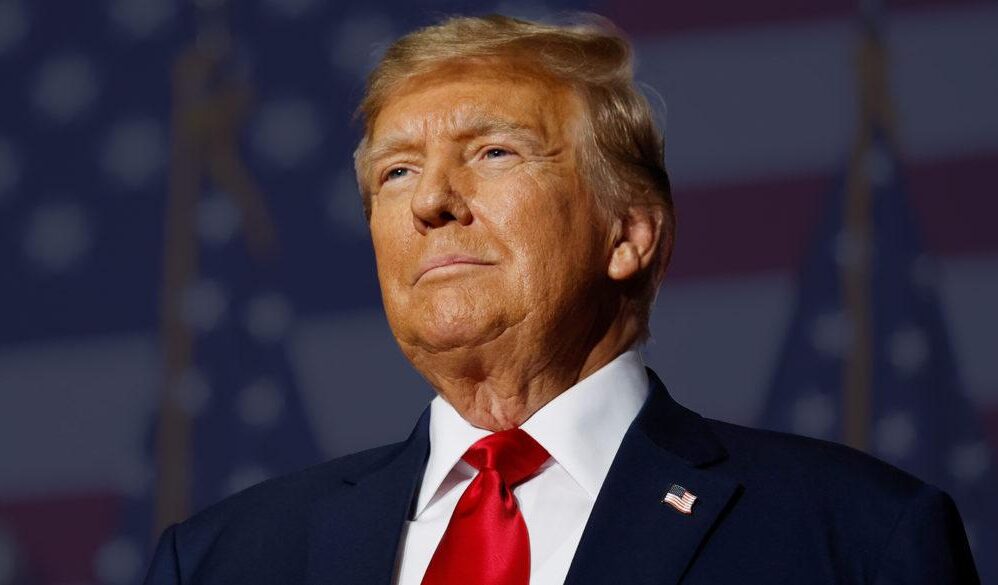
In a surprising turn of events, former President donald Trump has announced a temporary pause on tariffs imposed on goods from Mexico and Canada.This decision, which comes amid ongoing negotiations intended to bolster trade relations within North America, aims to ease economic tensions and foster a more cooperative atmosphere between the three nations. Critics and supporters alike are keenly observing how this move will impact not only trade dynamics but also domestic industries that have felt the effects of previous tariff policies. As uncertainty looms, stakeholders across various sectors are left to ponder the implications of Trump’s latest strategy on international commerce and economic stability in the region.
Impact of Trump’s Tariff Pause on North American Trade Relations
The recent decision to pause tariffs on goods from Canada and Mexico marks a meaningful shift in North American trade relations. Wiht this temporary halt, businesses and industries from both countries are breathing a sigh of relief, as they navigate the uncertainties of the current economic landscape. The implications are manifold, as the pause is expected to foster greater cooperation and clarity among trade partners, potentially leading to discussions aimed at long-term solutions to ongoing trade tensions. This decision not only alleviates immediate economic pressure but also signals a willingness from the Trump administration to engage in dialogue rather than impose restrictions.
In a landscape where tariffs have often exacerbated tensions, the tariff pause coudl be seen as a strategic move to stabilize trade relations and ensure that supply chains remain unaffected. Stakeholders from various sectors have expressed cautious optimism, highlighting the importance of a collaborative approach to trade negotiations. Key benefits include:
- Enhanced market stability: Reduced trade barriers may lead to more predictable pricing for consumers and businesses.
- Strengthened partnerships: The pause encourages closer ties between neighboring economies, potentially paving the way for future trade agreements.
- Increased competitiveness: Access to goods without tariffs could improve the competitiveness of businesses across North America.

Economic Implications for American Consumers and Businesses
The recent decision to pause tariffs on imports from Mexico and Canada has sparked significant implications for American consumers and businesses. As tariffs directly affect the price of goods, this postponement may lead to temporary relief for consumers facing rising costs. Products such as electronics, automobiles, and consumer goods are likely to see a stabilization in pricing, benefiting households that have recently experienced budgetary pressures due to inflation and supply chain issues. Additionally, businesses will have the prospect to reassess their cost structures without the immediate burden of increased import fees, potentially allowing companies to sustain operations and employment levels.
However, the unpredictability surrounding trade policies continues to create an environment of uncertainty. Companies that rely on cross-border supply chains may still grapple with the long-term implications of these tariffs, which historically impact planning and investment decisions.furthermore, the pause may only be temporary, prompting businesses and consumers alike to brace for future changes. The fate of prices and availability could fluctuate again if tariffs are reinstated, affecting everything from retail pricing to consumer confidence. Key considerations for both sectors include:
- Price Stability: Immediate cost relief from paused tariffs.
- Supply Chain Reactivity: Businesses may readjust sourcing strategies accordingly.
- Market Confidence: Consumers may regain trust in market pricing, but uncertainty looms over the long term.

Strategies for Navigating the New Trade Landscape
As tariff policies undergo significant changes, businesses must adopt adaptive strategies to navigate the evolving trade landscape. Key to success is understanding the implications of tariff pauses. This involves analyzing supply chain dependencies, evaluating cost structures, and anticipating changes in consumer behavior. Companies should engage in scenario planning to foresee potential impacts and explore alternatives to mitigate risks associated with fluctuating trade dynamics.
Moreover, fostering relationships with suppliers and stakeholders can provide valuable insights into market trends and consumer demands. Firms should focus on diversifying their suppliers to reduce reliance on single markets, and investing in technology to enhance logistics management. Additionally, staying informed about governmental policies and engaging in advocacy efforts can help businesses better prepare for shifts in regulations that may arise in the future.
Insights and Conclusions
As the economic landscape continues to evolve, the decision by former President Trump to pause tariffs on mexican and canadian goods could have far-reaching implications for trade relations in North America. Stakeholders, including businesses and consumers, will be closely monitoring the effects of this pause on supply chains, pricing, and diplomatic relations with our neighbors to the north and south. With ongoing discussions around trade policy and the economic recovery post-pandemic, this move may set the stage for further negotiations and adjustments in tariffs moving forward. As the situation develops, it remains crucial for industry leaders and policymakers to navigate these changes thoughtfully to ensure a balanced approach that benefits all parties involved.