
In an era where financial markets are becoming increasingly digitized, the concept of tokenization emerges as a transformative force in the investment landscape. Robinhood, a pioneer in democratizing trading through its user-amiable platform, advocates that tokenization not only enhances investment accessibility but also empowers a broader demographic of investors by streamlining the buying and selling processes. As traditional barriers to entry are dismantled, industry leaders argue that this innovative approach could permanently reshape the way retail investors engage with financial assets. In this article, we delve into the insights of a Robinhood executive on the implications of tokenization for the future of investing, and explore how this technology is poised to foster inclusivity within the financial ecosystem.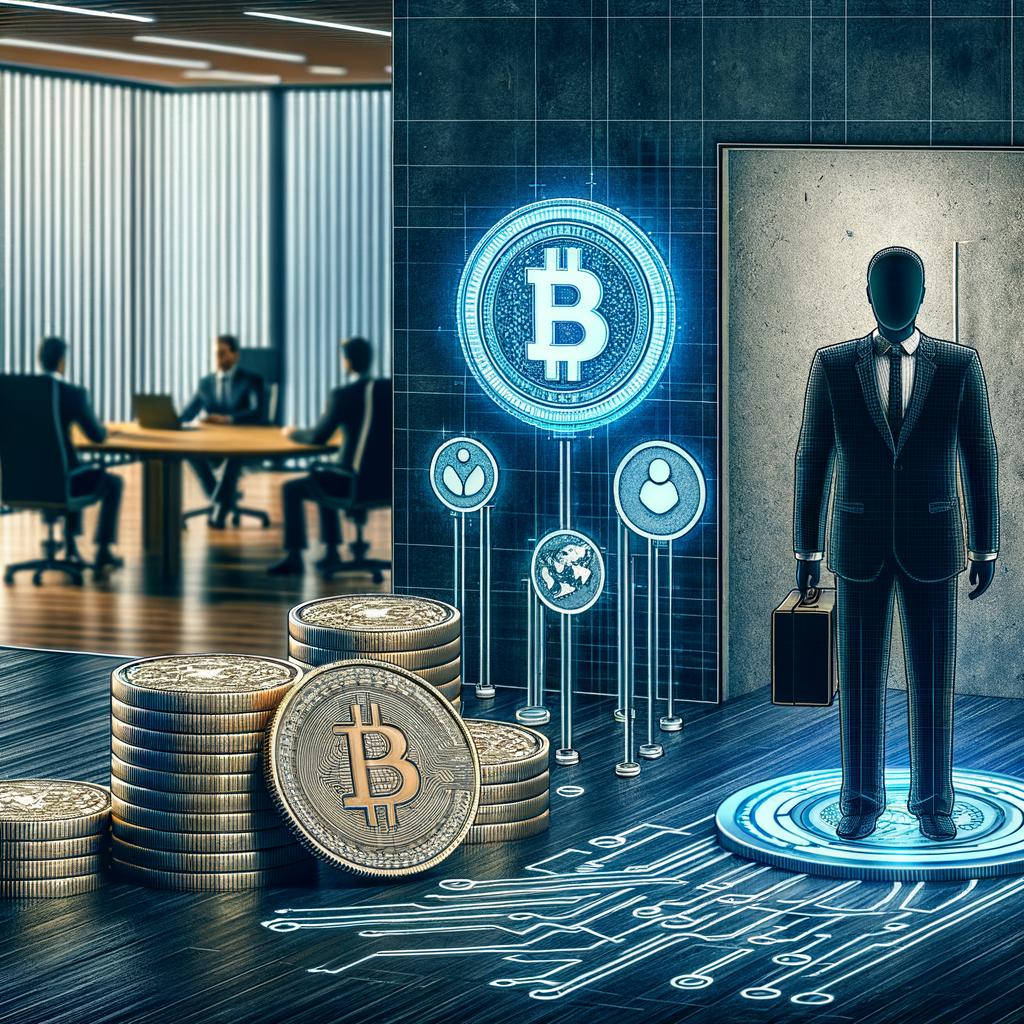
Tokenization Revolutionizes Investment Accessibility: Insights from Robinhood Executive
The rise of tokenization in financial markets is reshaping how investors access opportunities, according to industry insights from a leading executive at Robinhood. By leveraging blockchain technology, tokenization creates a digital representation of physical assets, enabling fractional ownership. This shift not only democratizes investment access but also ensures clarity in transactions.
Key advantages of tokenization include:
- Enhanced Liquidity: Tokenized assets can be traded more freely on various platforms, leading to increased liquidity compared to traditional investment vehicles.
- Lower Barriers to Entry: Fractional ownership allows smaller investors to participate in high-value assets, fostering inclusivity in investment opportunities.
- Transparency and security: The use of blockchain technology provides an immutable ledger, increasing trust among participants and reducing fraudulent activities.
The executive highlighted that tokenization aligns with Robinhood’s commitment to making investing accessible to all demographics. By integrating tokenized assets into their platform, Robinhood aims to educate users about these innovations while promoting broader participation in the financial markets. Moreover, this approach is expected to attract a new generation of investors who seek transparency and ease of access to diverse asset classes.
As the conversation around tokenization continues to evolve, industry players must navigate regulatory landscapes and technological advancements. experts suggest that collaboration between fintech companies and regulatory bodies could streamline the tokenization process, ultimately benefiting investors and enhancing market efficiency. The potential for tokenization to revolutionize investment strategies and broaden market participation is immense, making it a pivotal topic of discussion in today’s financial climate.
Bridging the Investment Gap: How Tokenization Empowers Retail Investors
Tokenization represents a important evolution in the realm of investment, especially for retail investors who have historically faced barriers to entry in various asset classes. By converting physical assets into digital tokens on a blockchain, investors gain access to a wider array of investment opportunities that were previously unattainable or prohibitively expensive. This technological advancement democratizes investment by offering fractional ownership in assets, allowing individuals to invest smaller amounts while still benefiting from exposure to high-value items.
One of the most notable advantages of tokenization is its potential to enhance liquidity in the market.Traditional investment vehicles often come with restrictive terms that limit the ability to buy or sell assets quickly. tokenized assets,though,can be traded seamlessly in real-time on decentralized platforms,considerably reducing the time it takes to execute transactions. This immediate access to liquidity fosters an environment where retail investors can pivot their portfolios according to market conditions, managing risks more effectively.
Moreover, the transparency offered by blockchain technology means that all transactions are recorded in an immutable ledger. This transparency builds trust among investors,as they can verify ownership,track asset history,and ensure the authenticity of their investments. With reduced opportunities for fraud and manipulation, retail investors can make informed decisions based on verified facts, enhancing their confidence in participating in broader financial markets.
In addition,tokenization also lowers the cost of investing by cutting out intermediaries typically involved in asset trading,such as brokers and clearinghouses. This reduction in fees makes investing more affordable for retail individuals, enabling them to diversify their portfolios without the financial strain frequently enough associated with traditional investment methods. As tokenization continues to mature, it holds the promise of not only increasing participation rates among retail investors but also transforming the very landscape of investment.
The Future of Investing: Tokenization as a Catalyst for Financial Inclusion
The rise of tokenization represents a significant shift in the landscape of investment opportunities,democratizing access to financial markets that were historically reserved for a select few. This transformative approach allows assets to be represented digitally on a blockchain, enabling fractional ownership and thus broadening participation to a larger demographic.As traditional barriers to entry are dismantled, we are witnessing a new era where individuals can invest in a diverse array of assets, ranging from real estate to fine art, with minimal capital outlay.
Industry pioneers like Meli Matota and Roberto LaGuardia emphasize that the implications of tokenized finance extend beyond mere accessibility. Tokenization has the potential to foster financial inclusion by:
- lowering Investment Thresholds: By breaking down assets into smaller, tradable units, more investors can enter markets that were once financially prohibitive.
- Enhancing Liquidity: Tokenized assets can be traded on digital exchanges, increasing liquidity and allowing investors to enter and exit positions with greater ease.
- Expanding Global Reach: The borderless nature of blockchain technology allows investors from various regions across the globe to participate in investment opportunities seamlessly.
The implications for traditional finance are profound. The introduction of smart contracts enhances transparency and efficiency in transactions, reducing the costs related to intermediaries. As more projects explore tokenization, the financial services sector must adapt to this technology-driven conversion. Regulatory frameworks will need to evolve accordingly to ensure investor protection while fostering innovation. Therefore, stakeholders-including issuers, regulators, and investors-must work collaboratively to navigate the complexities that arise from this transition.
looking to the future, the advancement of tokenized finance presents an opportunity to reshape societal norms regarding wealth creation and distribution. By enabling broader participation in investment markets, we may witness a significant shift towards a more equitable financial ecosystem. As noted by industry leaders, this is just the beginning; the potential of tokenization could redefine investment principles, promoting not just economic growth but social equity as well.
Expert Opinions: The Role of Technology in Democratizing Investment Opportunities
As technology continues to evolve, its influence on investment landscapes has been profound. The rise of blockchain and cryptocurrency exemplifies this shift, enabling a wider demographic to access markets that were once dominated by the wealthy and institutional investors. These advancements democratize finance by lowering the barriers to entry for average consumers, allowing them to participate in investment opportunities that were previously limited.
Key factors contributing to this democratization include:
- Decentralization: Traditional financial systems often require intermediaries, increasing costs and limiting access. Blockchain technology facilitates peer-to-peer transactions, reducing reliance on central authorities.
- accessibility: Digital wallets, mobile apps, and online trading platforms provide users with straightforward interfaces for buying, selling, and managing their assets from virtually anywhere in the world.
- Education and Resources: The proliferation of online educational resources and communities fosters a better understanding of investment strategies and market analysis, empowering individuals to make informed decisions.
The impact of these technological trends is particularly evident in the cryptocurrency market. Individuals can now invest in diverse financial instruments with minimal capital, diversifying their portfolios and reducing risks. Moreover, emerging technologies such as artificial intelligence and machine learning are enhancing the ability to analyze data and predict market movements, further leveling the playing field for novice investors.
the interplay between technology and investment represents a significant shift towards inclusivity, providing unprecedented opportunities for individuals around the globe. As these trends continue to unfold, the financial landscape will likely further evolve, making it imperative for investors to stay informed and adaptable.
the insights shared by the Robinhood executive underscore the transformative power of tokenization in the investment landscape. by breaking down barriers and creating more inclusive opportunities, tokenization stands to democratize access to financial markets and empower a broader demographic of investors. As this technology continues to evolve and gain traction, it will be crucial for stakeholders to navigate the accompanying regulatory and technological challenges to fully realize its potential. The future of investing appears increasingly accessible, with innovative solutions paving the way for a more equitable financial ecosystem. As industry leaders and regulators work together, the promise of tokenization could reshape the way individuals engage with their finances and build wealth in the coming era.