
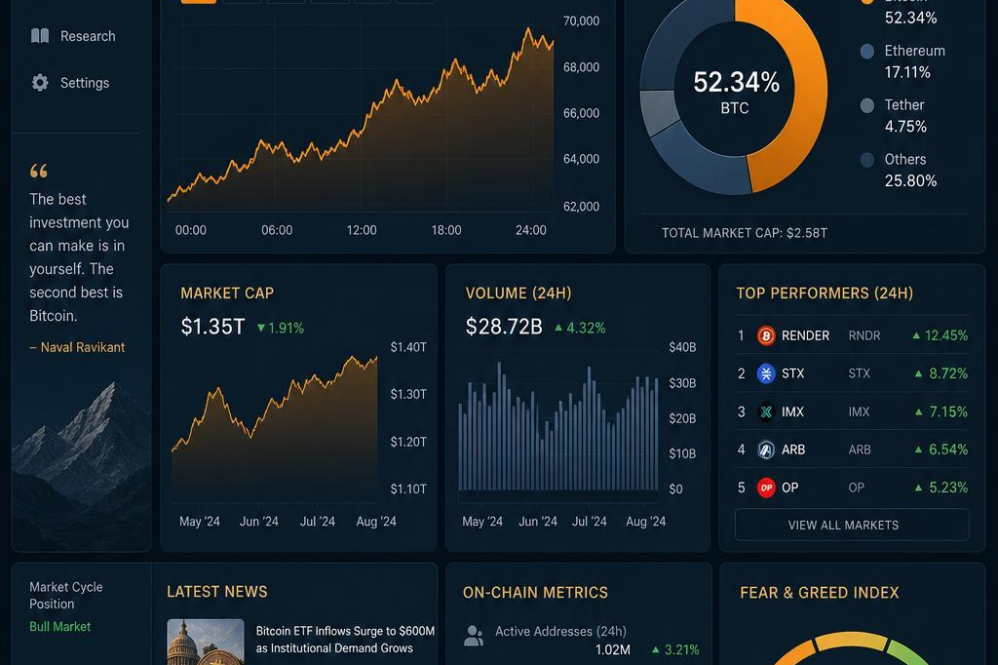
Bitcoin Onchain Metrics Indicate Potential Market Bottom After Recent selloff
Recent analyses of Bitcoin’s onchain metrics have pointed toward indications that teh market may have reached or is approaching a bottom after the latest selloff. onchain data refers to information derived directly from blockchain activity, including transaction volumes, wallet behaviors, and movement of coins between addresses. These metrics can provide insight into investor sentiment and network health beyond traditional price charts.In this case, certain patterns observed in wallet transactions and coin age suggest a potential stabilization phase following periods of heightened selling pressure, which typically accompany market downturns.
While these signals can be significant for market participants,it is important to recognize their inherent limitations. Onchain indicators offer a retrospective and behavioral understanding rather than concrete predictions, meaning thay reflect current and past investor activity instead of forecasting precise future price movements. Furthermore, external factors such as macroeconomic conditions, regulatory developments, and broader market trends continue to influence bitcoin’s price dynamics. Thus, onchain data should be considered as one analytical tool among many, contributing to a extensive examination of the cryptocurrency market’s evolving landscape.
Analyzing Investor Behavior and Network Activity to Assess Recovery Prospects
Understanding investor behavior is a critical component in evaluating the recovery prospects of Bitcoin within the broader cryptocurrency market. Patterns such as holding periods, transaction volumes, and wallet activity offer insights into market sentiment without relying on speculative assumptions. For example, an increase in long-term holding by investors may suggest confidence in bitcoin’s sustained value, while heightened selling activity might indicate caution or profit-taking. Additionally, metrics like the number of active addresses and the frequency of on-chain transactions help gauge the level of network engagement, which can be a proxy for broader adoption and user participation.
Network activity not only reflects user interaction but also reveals how the infrastructure supporting Bitcoin adapts to changing demand. Factors such as transaction confirmation times and network fees play a role in usability and can influence investor decisions regarding when and how to engage with the asset. While these indicators contribute valuable context for assessing recovery potential, it is indeed critically important to note that they do not predict market movements outright. Instead, they provide an analytical framework to better understand the underlying dynamics and the complex interplay between investor behavior and network performance in shaping Bitcoin’s future trajectory.
Strategic Recommendations for Navigating Bitcoin Volatility in the Coming Months
Investors looking to navigate Bitcoin’s volatility in the coming months should prioritize a disciplined approach that acknowledges the intrinsic uncertainties surrounding digital asset markets. Given the inherent price fluctuations in Bitcoin, it is crucial to maintain a diversified portfolio and manage exposure to risk prudently. Utilizing tools such as stop-loss orders can help limit downside risk by setting predefined exit points, while periodic portfolio rebalancing ensures alignment with individual investment goals and risk tolerance. Understanding market liquidity and transaction costs is also essential to make informed decisions during periods of heightened market activity or sudden price swings.
Furthermore,staying informed about macroeconomic factors and regulatory developments can provide valuable context for interpreting Bitcoin price movements. changes in monetary policy, geopolitical events, and regulatory announcements often contribute to shifts in market sentiment and investor behavior. However, it is important to recognize the limitations of forecasting in such a dynamic environment, where rapid changes can disrupt trends unexpectedly. By combining careful risk management with an ongoing assessment of external influences,investors can better position themselves to respond thoughtfully rather than react impulsively to market volatility.