

Introduction to “The Wild Hunt in England”:
The Wild Hunt, a legendary and haunting folklore that has captured the imagination of generations, intertwines myth and history across the English countryside. As tales of spectral huntsmen and phantom hounds echo through the ages, this age-old narrative raises questions about its origins, meanings, and cultural importance. With a resurgence of interest in local lore and its impact on contemporary storytelling, we delve into the various interpretations of the Wild Hunt, examining how it reflects societal fears and values through the lens of English heritage. join us as we trace the eerie trails of this captivating saga, revealing how it continues to resonate in the modern world.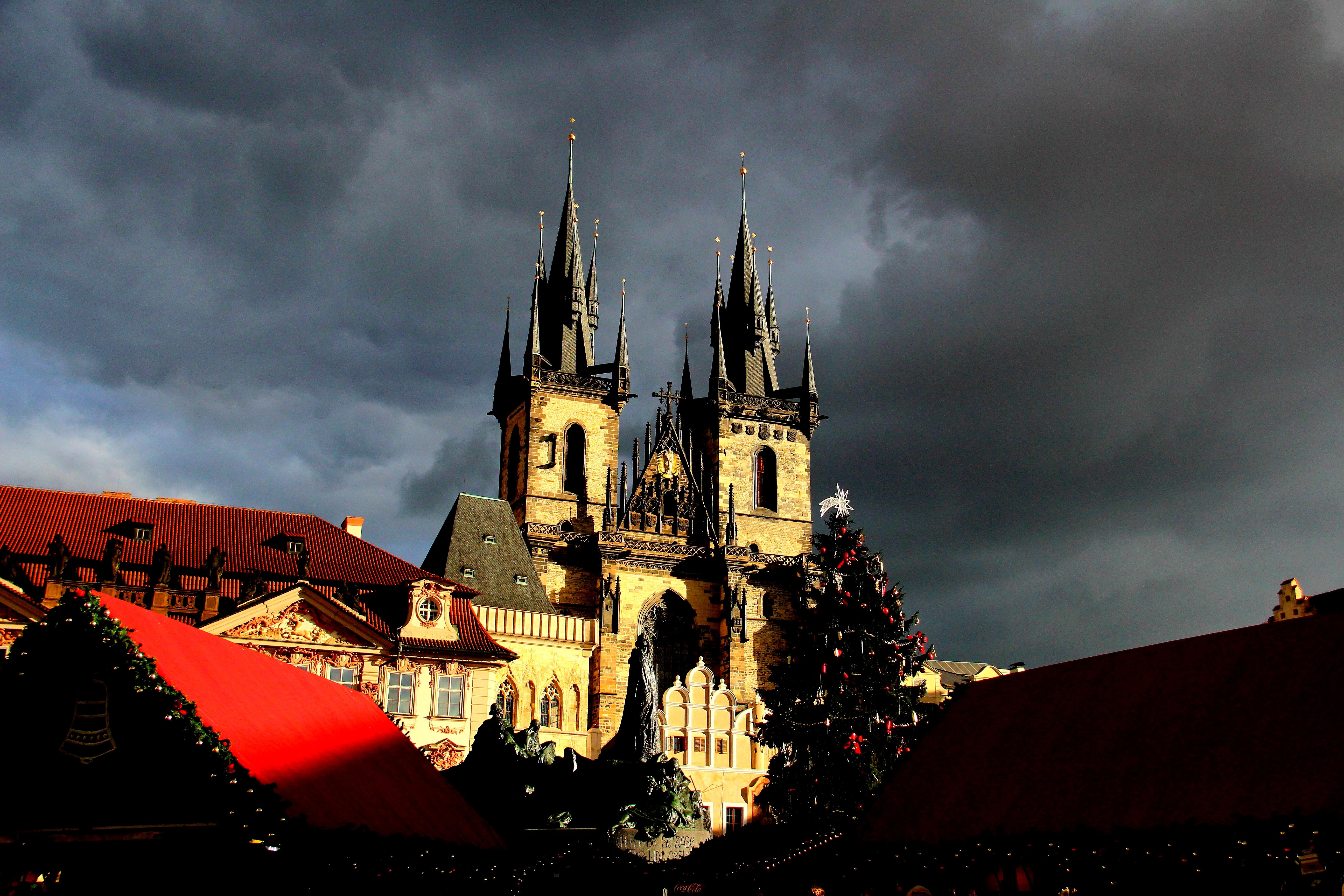
The Historical Significance of the Wild Hunt in English Folklore
The Wild Hunt is a captivating phenomenon rooted deeply in English folklore, often described as a ghostly procession led by a spectral figure, typically representing a god or mythical hero. The Hunt symbolizes the tension between the material and the spiritual realms, capturing the imaginations of people throughout the ages. Often depicted as a chaotic and furious chase across the skies, it serves as a harbinger of doom or a call to arms during tumultuous times.
the significance of the Wild hunt extends beyond mere legend, tying itself into the socio-political fabric of England. Commonly associated with the followers of a mythical figure like King Arthur or Woden, the Hunt reflects the deep-seated anxieties regarding war, death, and community identity in a shifting landscape. In rural areas, sightings of the Hunt were often perceived as omens, linking nature’s tumult with human affairs. This connection highlights the folklore’s role in reflecting societal fears and hopes during periods of uncertainty.
Modern interpretations of the Wild Hunt reveal its continuing relevance. Many artists and writers draw upon its motifs to explore themes of loss and the quest for identity amidst chaos.The intertwining of the mundane and the supernatural in these narratives offers a rich tapestry for understanding human experiences across time. Today, the legacy of the Wild Hunt persists, encouraging both academic discourse and cultural explorations through festivals, literature, and art, ensuring its place in the ongoing dialogue about collective memory and mythology.
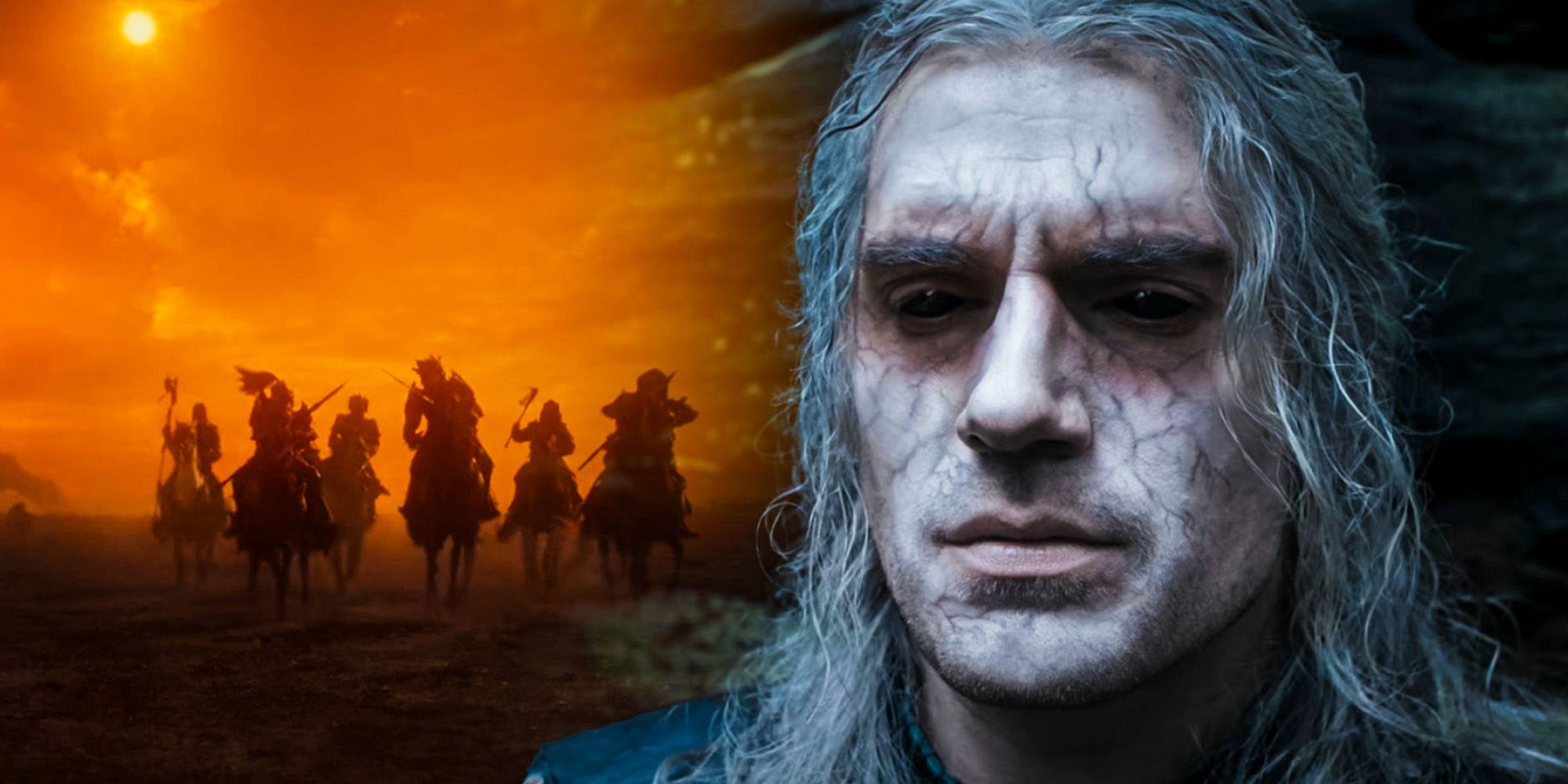
examining Modern Interpretations of the Wild Hunt Phenomenon
The legend of the Wild Hunt has reverberated through English folklore, weaving a tapestry of vibrant interpretations across the centuries. Modern scholars often draw parallels between the Wild Hunt and contemporary themes of chaos and dislocation, interpreting it as a manifestation of societal fears. These modern readings suggest that the spectral figures leading the hunt symbolize forces beyond human control, reflecting current anxieties about the pace of change in society. Recent literature and media have depicted these spectral hunts as not just folklore but also as reflections of environmental crises and social disruptions, urging a deeper exploration of their impact on collective identity.
Artistic interpretations of the Wild Hunt continue to thrive, with modern artists employing the imagery to comment on contemporary issues. This resurgence is evident in various mediums, including visual arts and literature, where the hunt is frequently enough reimagined to explore themes of migration, displacement, and the collision of the past with present realities. Notably, exhibitions in galleries have featured works that animate the symbolism of the hunt, invoking its historical roots while also critiquing modern societal challenges. Such artistic expressions serve as a bridge between old legends and their relevance in today’s world.
In academia,the Wild Hunt is increasingly examined through an interdisciplinary lens,merging insights from mythology,sociology,and psychology. Researchers have begun investigating its role in fostering collective memory and cultural identity, proposing that these tales provide a framework through which communities can navigate uncertainty and change. A recent survey of interpretations highlights a growing consensus on the importance of the Wild Hunt as a cultural narrative that adapts to contemporary concerns. This adaptability illustrates how folklore remains vital in understanding the shared human experience, echoing themes that resonate deeply with modern audiences.
Exploring the impact on Local Culture and Community Identity
The narrative of the Wild Hunt has not only shaped folklore but has also become a potent symbol of local identity in various english regions. Often depicted as a ghostly procession led by a figure such as Odin or a mythical hunter, this legend has woven itself into the cultural fabric of communities. It resonates through local tales, impacting how residents perceive their history and environment, fostering a deep sense of connection to their surroundings.
Communities have embraced the Wild Hunt as a party of their heritage and folklore, with annual festivals and events dedicated to this ancient chase. These gatherings not only commemorate the legend but also serve as a platform for artistic expression—from local theater productions to visual art inspired by the tales. The Wild Hunt acts as a catalyst for cultural progress, encouraging participation in community activities that strengthen bonds among residents.
Moreover, the legend has inspired modern interpretations that reflect contemporary societal themes such as the balance between nature and humanity, or the obscured histories within local landscapes. Local artists and writers are harnessing the Wild Hunt lore to engage audiences, bridging the gap between past and present in ways that resonate today. The ongoing evolution of these stories is a testament to their enduring influence on community identity and the expression of collective narratives.

Recommendations for Preserving the Legacy of the Wild Hunt in England
To ensure the Wild Hunt remains a vibrant part of England’s cultural heritage,it is crucial to initiate educational programs aimed at all age groups.Local schools should incorporate the tales of the Wild Hunt into their curriculum,making mythology accessible and engaging for younger generations.This can be achieved through:
- Workshops with storytellers and historians
- Field trips to significant locations tied to the Wild Hunt
- Creative projects that encourage artistic interpretations of the legends
In addition to education, community events should be organized to celebrate the Wild Hunt. Festivals and reenactments can draw public interest and stimulate local economies. these events can feature:
- Interactive performances
- Artisan markets showcasing local crafts
- Historical exhibitions that highlight the significance of the Wild Hunt
to preserve the physical sites associated with the Wild Hunt, dedicated conservation efforts are essential. Establishing partnerships with environmental organizations can facilitate protection and restoration initiatives. Tasks may include:
- Mapping and safeguarding ancient pathways
- Promoting sustainable tourism practices
- Creating informative signage to educate visitors about the folklore and its context
insights and Conclusions
As we delve into the enigmatic folklore surrounding the Wild Hunt in England, it becomes clear that this phenomenon is more than just a tale of spectral riders—it reflects deep-seated cultural beliefs and societal fears. the Wild Hunt resonates through history, still capturing the imagination of modern audiences. Whether viewed as a symbolic representation of transition or an eerie reminder of nature’s untamed spirit,its legacy endures. As we continue to explore such rich narratives, let us remain vigilant in safeguarding the stories that connect us to our past, ever mindful of how they shape our present and future.