
—
Understanding Bitcoin’s Vulnerability to Market Manipulation through Short Squeezes
Bitcoin, like any other financial asset, can be vulnerable to market manipulation through short squeezes. When investors sell borrowed Bitcoin in anticipation of a price drop but the price unexpectedly surges, they face a dilemma: buy back at inflated prices or risk bigger losses. This sudden upward movement forces short sellers to quickly repurchase the cryptocurrency, driving up demand and pushing prices even higher.
This mechanism can considerably impact market dynamics. When many investors simultaneously try to close out their short positions, it creates a surge in buying pressure that can lead to rapid price increases. While this isn’t unique to Bitcoin-similar volatility occurs across various financial markets-the decentralized nature of cryptocurrency exchanges and the lack of regulation can amplify these sudden shifts.
While short squeezes can cause significant volatility, it’s critically important not to overreact. Markets usually correct themselves after such events, revealing the underlying fundamentals of the asset.Traders need to stay vigilant but avoid panicking during temporary spikes or drops caused by short selling.
The Role of Whale Investors in Orchestrating Cryptocurrency Price Swings
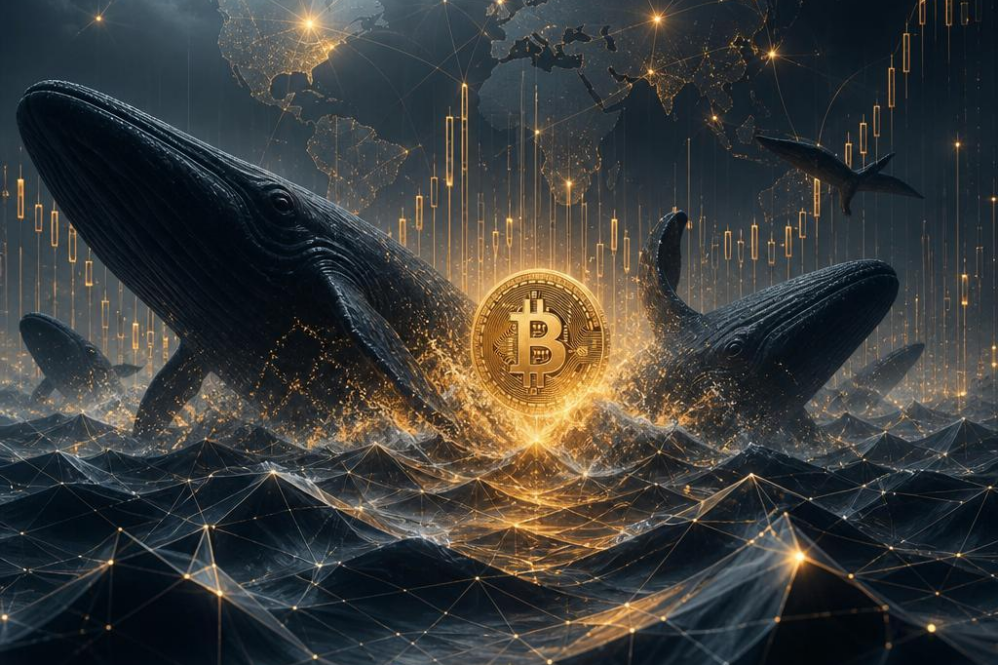
In cryptocurrency markets, large investors known as whales wield significant influence due to their ample holdings. These individuals or entities often control a considerable portion of the total supply for specific coins.
Whales can dramatically affect market dynamics with their actions. When they sell off large amounts of cryptocurrency, it can disrupt liquidity and cause price drops. Conversely, when whales make concentrated purchases, it might indicate potential price increases as buying pressure rises.
The activities of these major players are crucial for smaller investors and analysts to understand.However, not every whale transaction directly translates into market direction; many factors influence cryptocurrency valuations beyond the actions of these key figures.
Navigating Geopolitical Uncertainty and Its Impact on Digital Asset Markets
The digital asset market is deeply intertwined with geopolitical events worldwide. New regulations and policies from different countries can significantly impact investor sentiment and trading volumes. For example, stringent regulatory frameworks might dampen enthusiasm among early adopters.
International disputes or shifts in diplomatic relations often spill over into the cryptocurrency market, affecting token safety and utility across various regions. These uncertainties can trigger rapid price changes during periods of tension. Understanding these dynamics is crucial for investors to navigate the digital landscape without being caught off guard by sudden political developments.
While geopolitical events introduce risks, they also present opportunities for well-informed traders who closely monitor key indicators such as trade agreements and regulatory environments. Accurately interpreting these signals requires a nuanced understanding of both economic and political contexts.
Strategic Recommendations for Protecting Investor Interests Against Coordinated Attacks
The threat of coordinated attacks in cryptocurrency markets poses significant challenges to investor security and market integrity. These attacks often involve elegant tactics aimed at destabilizing prices and profiting from sudden changes in value.
To protect against these threats, investors should use blockchain analytics tools to track abnormal transaction patterns or high-volume movements that could indicate an impending attack. Staying informed through real-time data feeds can help anticipate and mitigate risks more effectively.
Diversifying investments across different cryptocurrencies and asset classes is another protective measure. While this doesn’t eliminate the threat of coordinated attacks, it reduces individual exposure by spreading potential losses. However, investors must be cautious about selecting reputable platforms to avoid supporting fraudulent activities or less secure exchanges.