

The 2008 global financial crisis changed the way the world looked at currency. The idea of a virtual currency became a reality as Bitcoin emerged as an alternative to the traditional cash economy. However, the death of Bitcoin has been reoccurring as it faces ideological, economic, political, and security challenges. This article explores the various obstacles against the digital currency and why its future remains uncertain.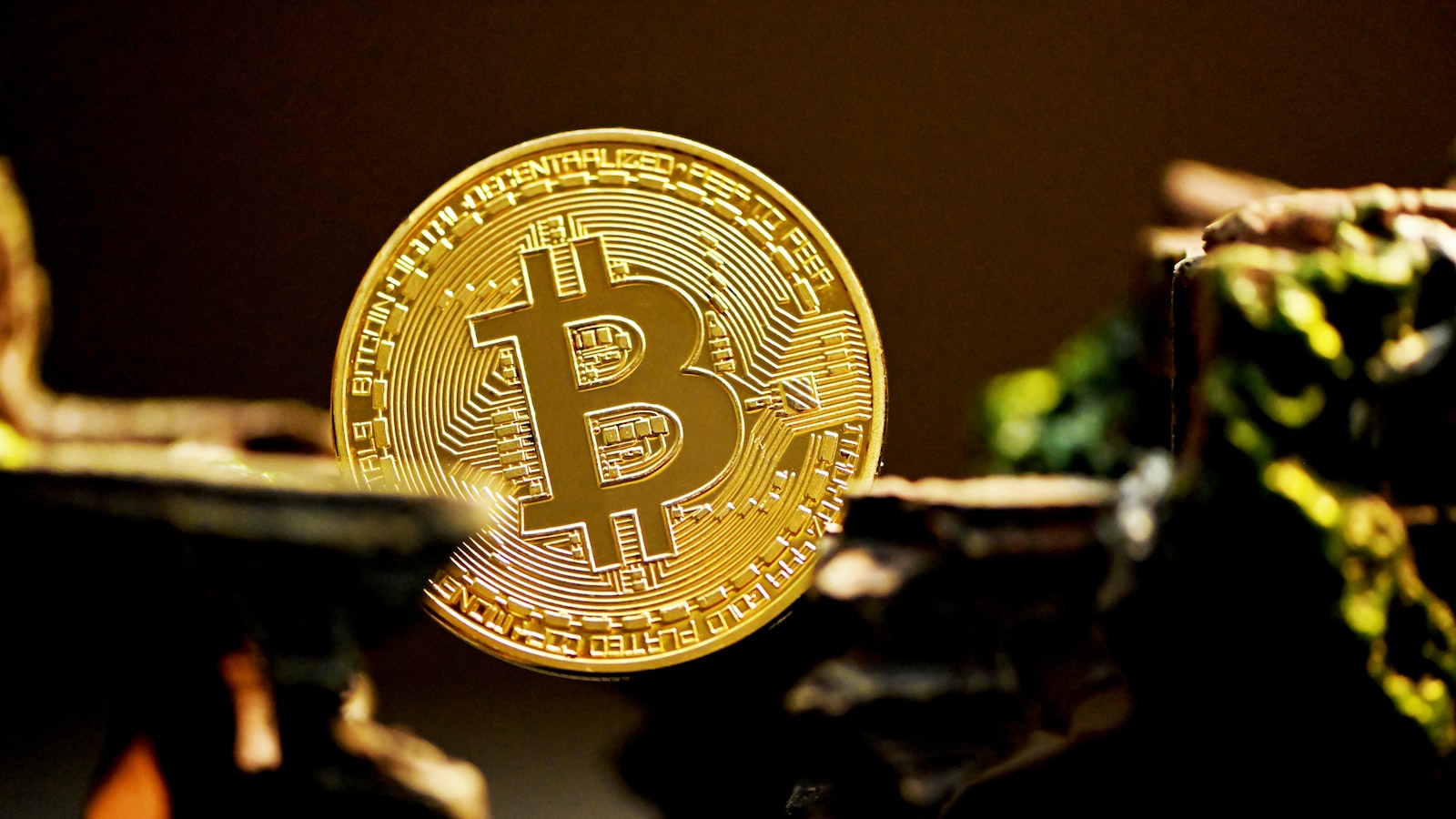
I. Bitcoin on the Endangered List?
Bitcoin’s turbulent climb
In the span of less than two weeks, the once-invincible digital currency Bitcoin has experienced a stunning collapse, its value dropping from near $20,000 per coin to just under $7,000. Such a sharp decline indicates an extreme lack of investor confidence, leaving many to wonder what may be laying ahead for Bitcoin.
The cryptocurrency market has been volatile since its birth, but the surge in Bitcoin starting in 2017 was historic. Dubbed as a “digital gold” the performance of the cryptocurrency was widely watched, sparking an immense interest in the cryptocurrency industry as a whole. Clearly, something has changed—what started off as a brave new world in terms of investments has become a collateral damage.
What’s the Future of Bitcoin?
The roller coaster ride of Bitcoin over the past few months has left many concerned and speculating what this means for the future of the cryptocurrency. Many experts believe it is too soon to predict the future, but point to a few key observations that may drive Bitcoin’s performance.
- Ease of government intervention: if governments decide to ban Bitcoin exchanges and other forms of cryptocurrency trading, this could be the beginning of the end for the currency
- Growth of cryptocurrency competitors: Bitcoin has made a name for itself, but other “altcoins” are rising in weight, giving investors better opportunities
- Energy consumption: Bitcoin’s high energy costs are not sustainable in the long term
- Understanding of blockchain technology: blockchain technology is necessary to understand the Bitcoin supply-chain
Despite all these seeming odds, people are still holding onto their coins and many analysts are being cautiously optimistic about the situation. Some even cite the current bear market as an opportunity for investors to benefit, as the value of the cryptocurrency may rebound. Only time will tell how this story ends.
II. The Reoccurring Death of Bitcoin
Since its launch in 2008, Bitcoin has had a troubled history. Its rise and fall in value has been of consistent interest to the financial media, from its flash crash in 2013 to its peak in 2017, Bitcoin has seen volatile fortunes. It is this rollercoaster ride of headlines that has shaped Bitcoin’s narrative.
Bitcoin’s main challenge is that it is a relatively new asset class, and is still not internalized by many governments or the world of high finance. This means that governments and traditional financial institutions struggle to regulate this new asset or decide how to handle it. Additionally, each time Bitcoin rises in value there is concern regarding its perceived bubble and collapse. As a result, the frequent warnings against Bitcoin have caused it to become the poster child of a risky investment.
- Recent downturn in value
- Lack of trust and knowledge from institutions
- Suspicion of a bubble and regular warnings
III. Questions Over Bitcoin Futures
What Are Bitcoin Futures?
Bitcoin futures are a type of derivatives agreement that allows traders to speculate on the price of Bitcoin without actually owning them. Basically, a futures contract is a financial agreement between the seller and buyer to buy or sell a particular asset at an agreed-upon price on an agreed-upon date, without there being any underlying asset at the time of purchase. As the price of Bitcoin has become increasingly erratic, and its adoption still uncertain, speculators have had an opportunity to take advantage of this volatility by using Bitcoin futures as a way to lock in a certain price.
What Are the Benefits and Risks?
Traders often use Bitcoin futures to hedge their investments in the currency, but more recently have also been using them to speculate on the price. Because of the complexity of the Bitcoin markets and the lack of regulatory oversight, there are both potential rewards and risks involved. On the plus side, traders can buy and sell Bitcoin futures quickly and easily. This increases their ability to capitalize on price movements and potentially generate higher returns. On the downside, there’s also the risk of being exposed to larger losses, as Bitcoin is still a relatively young and unpredictable asset.
- What Are Bitcoin Futures?
- What Are the Benefits and Risks?
IV. Analyzing the Long-Term Impact
It is important to analyze the long-term impact of events and decisions on businesses. Leaders should do this to ensure their decisions contribute to the organization’s long-term success. Here are a few tips and considerations for analyzing the long-term impact:
- Establish Goals: It is important to define clear and achievable goals when making decisions so that they can be tracked and measured in the future.
- Evaluate Trends: Consider trends in the industry and the economy when looking at the long-term impact of decisions.
- Analyze Opportunities: Leaders should also look for potential opportunities that may arise due to their decisions.
The goal of long-term analysis is to ensure the decisions made today have a beneficial impact over the long run. A thorough analysis should take into account a variety of factors, both internal and external, and consider the long-term implications. It is essential for leaders to properly assess the effects of their decisions and make sure they are taking into account all the potential outcomes.
Bitcoin continues to ride the wave of its latest death-defying resurrection despite its often fatal fluctuations in market capitalization. While analysts remain divided on its underlying durability, it will remain a controversial, and captivating, article of debate in the world of cryptocurrency.