
As teh digital landscape continues to evolve, the Non-Fungible Token (NFT) market is gradually transforming from a speculative frontier into a foundational component of the broader digital economy. Onc characterized by high-profile art sales and collectible trends,the NFT sector is now quietly embedding itself into various infrastructures,reshaping how ownership,provenance,and rights are conceptualized and managed online. With applications extending beyond digital art into sectors such as gaming, real estate, and intellectual property, NFTs are emerging as pivotal tools for establishing trust and verifiability in transactions. This article delves into the subtle yet significant ways the NFT market is integrating into existing frameworks, examining its implications for industries and consumers alike.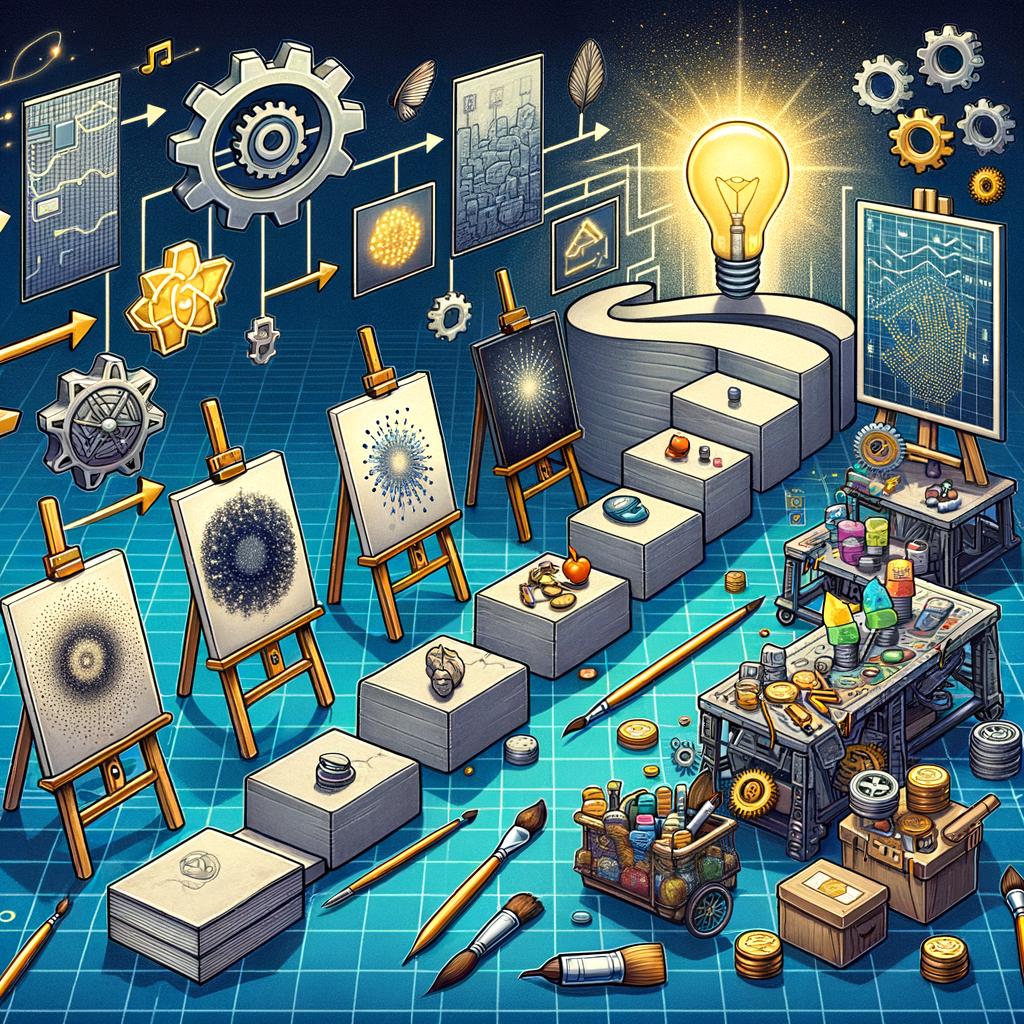
The Evolution of NFTs: From Art to Infrastructure
The landscape of non-fungible tokens (NFTs) has undergone a remarkable change since their inception, evolving beyond mere digital art into a multifaceted infrastructure that supports a variety of industries. Initially embraced by artists and collectors, NFTs provided a new medium for creative expression and ownership in the digital realm. Today, they are being integrated into sectors such as gaming, real estate, and even music, creating entirely new ecosystems that leverage blockchain technology.
As the market matured, the focus shifted towards utility and functionality. No longer limited to images or collectibles, NFTs are now being utilized as tools for engagement, enabling brands to foster deeper connections with their audiences.For instance, companies are adopting NFTs as part of loyalty programs, where customers can earn unique tokens that unlock exclusive experiences or products. This shift from mere ownership to access and interaction marks a significant turning point in how NFTs are perceived and utilized.
The burgeoning realm of decentralized finance (DeFi) has also found a symbiotic relationship with nfts. Financial instruments such as fractional ownership and collateralized loans are being built on NFT assets, allowing investors to engage with these tokens in ways that were previously unimaginable. This integration signifies a move towards a broader financial infrastructure that not only encompasses art but also enhances the liquidity and diversity of asset classes within the blockchain ecosystem.
Moreover, as regulatory frameworks continue to evolve, the future of NFTs appears to be focused on sustainability and security. Major players in the crypto space are investing in environmentally kind practices and ensuring that NFT transactions are secure and clear. This forward-thinking approach not only mitigates risks but also cultivates trust among users, paving the way for wider adoption and innovation within this dynamic sector.
Understanding the Underlying Technologies Driving the NFT Market
The rapid emergence of non-fungible tokens (NFTs) has been bolstered by several underlying technologies that facilitate their creation, exchange, and ownership. At the core of this market is blockchain technology, which provides a decentralized ledger that records transactions and verifies ownership. This openness not only enhances security but also ensures the authenticity of the digital assets,a crucial factor in the valuation of NFTs. While Ethereum remains the leading blockchain for NFT transactions, other networks like Binance Smart Chain and Solana are increasingly gaining traction due to their lower transaction fees and faster processing times.
Another critical component is smart contracts, which are self-executing contracts with the terms directly written into code. These contracts automate the process of buying, selling, and transferring NFTs, reducing the need for intermediaries and minimizing transaction costs. As smart contracts operate on blockchain platforms, they ensure that the rules governing NFT transactions are enforced flawlessly, providing a seamless experience for creators and collectors alike. This technology empowers artists to retain more control over their work, offering features like royalty mechanisms that reward them with a percentage of sales whenever their nfts change hands.
Interoperability between different digital environments also plays a significant role in driving the NFT market. Platforms are increasingly developing standards, such as ERC-721 and ERC-1155, which enable seamless transfer and utilization of NFTs across various applications and marketplaces. This interoperability enhances the user experience, allowing collectors to showcase their digital assets in diverse virtual galleries, games, or social media platforms, thereby expanding their reach and potential impact. As the ecosystem grows, this interconnectedness is essential for maintaining the sustainability of the NFT market.
the rise of decentralized finance (DeFi) has opened new avenues for NFTs, creating opportunities for liquidity and investment strategies previously unavailable to digital art and collectible markets. Concepts such as fractional ownership and NFT-backed lending are gaining momentum, allowing investors to diversify their portfolios while engaging with NFT assets. The blending of NFTs with defi principles creates a dynamic landscape in which digital assets can garner financial utility, further driving innovation and participation in the marketplace.
The Role of NFTs in Decentralized Finance and beyond
The integration of non-fungible tokens (nfts) into decentralized finance (DeFi) is reshaping the landscape of digital assets and ownership. Unlike cryptocurrencies such as Bitcoin or Ethereum, which are fungible and can be exchanged on a one-to-one basis, NFTs represent unique items or properties on the blockchain. This distinct characteristic makes them particularly valuable in a wide array of applications, from art and collectibles to real estate and intellectual property.
In the realm of defi, NFTs serve multiple purposes that extend beyond mere collectibles. They can act as collateral for loans, enabling users to unlock liquidity without having to liquidate their digital assets. This functionality is crucial for users looking to maintain ownership of valuable items while still accessing capital. Additionally, NFTs can facilitate yield farming; holders can stake their tokens to earn rewards, thus adding a layer of economic utility.
Moreover, the programmable nature of NFTs allows creators and developers to embed smart contracts directly into them. This enhances their functionality, granting rights and royalties that are executed automatically. Among the notable advantages are:
- Transparent ownership: Every transaction is recorded on the blockchain, providing a tamper-proof history of ownership.
- Royalty distributions: Artists can earn ongoing royalties thru secondary sales, incentivizing the creation of high-quality works.
- Diverse applications: Beyond art, NFTs can represent ownership in various contexts, including music rights and virtual real estate.
The influence of NFTs is also felt beyond the DeFi sector,as they become critical in gaming,social media,and digital identity. Gamers can own unique in-game assets, which can be traded or sold across platforms, thus fostering a decentralized ecosystem that empowers players. Similarly, digital identity solutions using NFTs allow individuals to assert ownership of their credentials, avatars, or online reputations, enhancing privacy and control in an age of increasing digital surveillance. As the capabilities of nfts continue to evolve, their impact on both finance and broader applications may very well redefine how we perceive ownership and value in the digital realm.
Future Implications: How NFTs Are Reshaping Digital Ownership and Asset Management
The advent of NFTs presents a paradigm shift in how digital ownership and asset management are perceived across various sectors. With their ability to confirm authenticity and ownership of digital items, NFTs are redefining customary models of asset management. By leveraging blockchain technology, these tokens provide a transparent protocol that secures ownership rights, potentially eliminating fraud and enhancing trust in online transactions.
One significant implication of this shift is the democratization of art ownership. Previously,the art market was often exclusive,favoring wealthy collectors and elite galleries. Now, with fractional ownership facilitated by NFTs, a broader range of individuals can invest in high-value art pieces. This not only opens new revenue streams for artists but also creates opportunities for collectors to engage at multiple price points, ultimately enriching the cultural landscape.
Moreover, NFTs are evolving the concept of intellectual property rights in the digital realm. Creators can embed royalties directly into the smart contracts associated with their NFTs, ensuring they receive a fair return each time their work is resold. This feature has the potential to disrupt the traditional art auction houses and galleries that have long controlled the flow of profits in the arts, promoting a more ethical and enduring model for artists and creators alike.
As industries beyond art start to explore the potential of nfts-ranging from music and gaming to real estate and intellectual property-new frameworks for ownership rights are likely to emerge. Educational institutions and businesses may begin implementing NFT-based systems for certifying achievements or authenticity of products. The implications extend into climate action as well, with the ability to track carbon credits and other environmental assets via blockchain technology, thus fostering a new approach to asset management that prioritizes sustainability and social obligation.
As we navigate the intricate landscape of the NFT market, it becomes increasingly clear that these digital assets are not merely a transient trend but are evolving into a vital infrastructure for various sectors. From art and entertainment to gaming and real estate, NFTs are reshaping how we perceive ownership, value, and engagement in the digital age. As the market continues to mature, investors, creators, and consumers alike must remain vigilant, adapting to the innovations that will undoubtedly emerge. The transition of NFTs from fringe collectibles to foundational components of digital economies signals a transformative shift that warrants close observation.the next chapter of this evolution promises to redefine interactions in the digital realm, making it imperative for stakeholders to stay informed and engaged. As the NFT ecosystem continues to expand, the potential for new applications and opportunities remains boundless, underscoring the importance of understanding and participating in this rapidly evolving landscape.