
The Korean Financial Services Commission (FSC) convened on Tuesday for a virtual meeting to discuss recent developments in the country’s financial sphere. The 12-member meeting, which was attended by FSC Chairman Eun Sung-soo, focused on the practical implications of the current work-from-home situation on the operation of the agency. Discussions included matters such as the strengthening of digital finance management and policies, as well as the development of financial products to meet the changing needs of the nation’s financial market.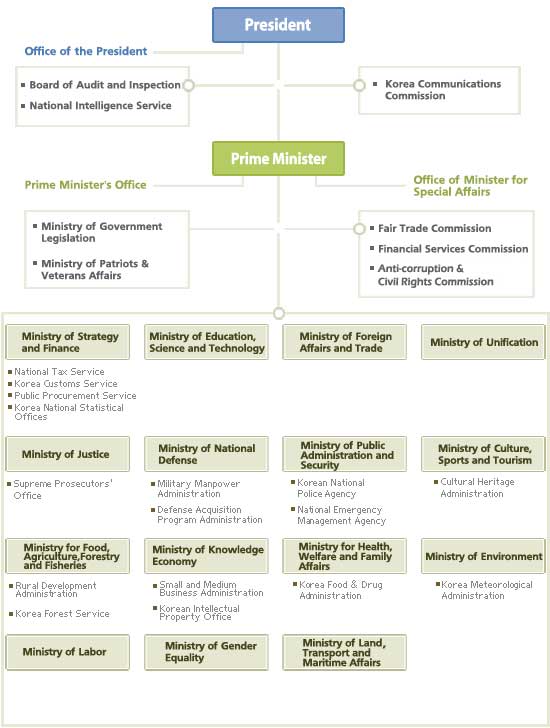
1. Korean Financial Services Commission Holds Virtual Meeting
The Korean Financial Services Commission (FSC) held its first ever virtual meeting on Tuesday to discuss the modernize existing regulations on financial markets, the Financial Investment Services and Capital Markets Act (FSCMA).
During the meeting, the FSC chair Yoon Suk-heun said that, “mutual trust is absolutely necessary for the development of financial markets… and the FSCMA should be revised to reflect the latest technologies and practices in the financial industry.” The commission also discussed enabling new fintech firms to enter the market, supporting Korea’s digital transformation efforts.
The FSC discussed planning and proposed revisions for the FSCMA, some of which included:
- adding provisions related to virtual assets and Tokenized securities
- adjustments to the business environment to improve financial market efficiency and consumer protection
- defining “hybrid firms” on the financial market
The meeting concluded with the FSC agreeing to swiftly revise and revise FSCMA to increase investor security and market efficiency. Specific proposals and detailed policies will be announced at a later date, pending recommendations from the FSC’s subcommittees.
2. Implications of Virtual Meetings on Government Regulation
Virtual meetings have enabled government regulations to become more accessible. In recent years, the need for physical presence to discuss legislative measures has been minimized drastically. Virtual meetings are no longer a novelty, they have become more popular than ever due to their unprecedented levels of safety and convenience.
Digital legislative processes have allowed the government to expand the reach of regulations; boundaries and distances are no longer an obstacle. People living in remote areas, for instance, are no longer required to travel long distances to get involved in government activities. Citizens can now simply join a virtual conference and contribute to the government’s discussion about legislative matters.
The efficiency of the regulatory process has increased significantly. With virtual meetings, the government can collect information quickly and assess different data-driven solutions in shorter amounts of time. This drives government decision-making processes to become much more effective; improved response rates to societal needs, a better alignment of the public and private sectors, and harmony between state laws and corporate compliance are some of the most notable consequences.
Furthermore, virtual meetings provide a much higher degree of data security for all the involved stakeholders. Different secure authentication measures can be applied to protect confidential information and the meeting logs can be stored securely in the cloud. In sum, modern technology is revolutionizing the way the government enacts and enforces laws and regulations.
To Conclude
The Korean Financial Services Commission will continue to develop and review policies and procedures to ensure that the virtual meeting system remains secure and efficient. With this framework in place, future meetings should be successful and any upcoming decisions will benefit consumers and the economy as a whole.