

On the night of March 9, 1945, the skies over Tokyo transformed into a fiery inferno as American bombers descended upon the Japanese capital in a series of devastating air raids. This catastrophic event, known as the Firebombing of Tokyo, marked one of the deadliest attacks in the Pacific theatre of World War II, killing an estimated 100,000 civilians and leaving millions homeless. utilizing incendiary bombs designed to create massive firestorms, the assault not only decimated the city’s infrastructure but also highlighted the brutal tactics employed in a war that sought total victory at any cost. As survivors reflect on the horrors of that night, the tragic aftermath continues to resonate, prompting crucial discussions about the ethics of warfare and the enduring impact of such ancient events on contemporary society.
impact of the Firebombing on Tokyo’s Urban Landscape
The firebombing of Tokyo during World War II left an indelible mark on the city’s urban fabric, reshaping its landscape in ways that are still evident today. The unprecedented destruction caused by incendiary bombs not only decimated vast swathes of the city but also forced a complete rethinking of urban planning and architecture. In the aftermath, the need for reconstruction was paramount, leading to the introduction of new materials and designs aimed at creating a more resilient city that could withstand potential future conflicts.
As urban planners began to reimagine the city, several key aspects were prioritized in the rebuilding efforts:
- Modern infrastructure: The firebombing highlighted the vulnerabilities of customary wooden structures, prompting a shift towards more fire-resistant materials.
- Green spaces: The reconstruction era saw an emphasis on incorporating parks and recreational areas, contributing to improved urban livability.
- Transportation networks: The destruction necessitated the development of efficient transit systems to foster connectivity within the rapidly evolving metropolitan area.
Additionally, the cultural implications of the firebombing profoundly influenced the artistic and social identity of Tokyo. The scars of destruction became a canvas for contemporary art movements,while the city’s reconstruction served as a powerful narrative of resilience. Neighborhoods were rebuilt not just physically,but also emotionally,as communities sought to restore their familial ties amidst the ashes of war. Today, Tokyo stands as a testament to its tumultuous past, having transformed its trauma into a vibrant urban narrative that continues to evolve.
Civilian Casualties and Humanitarian Consequences
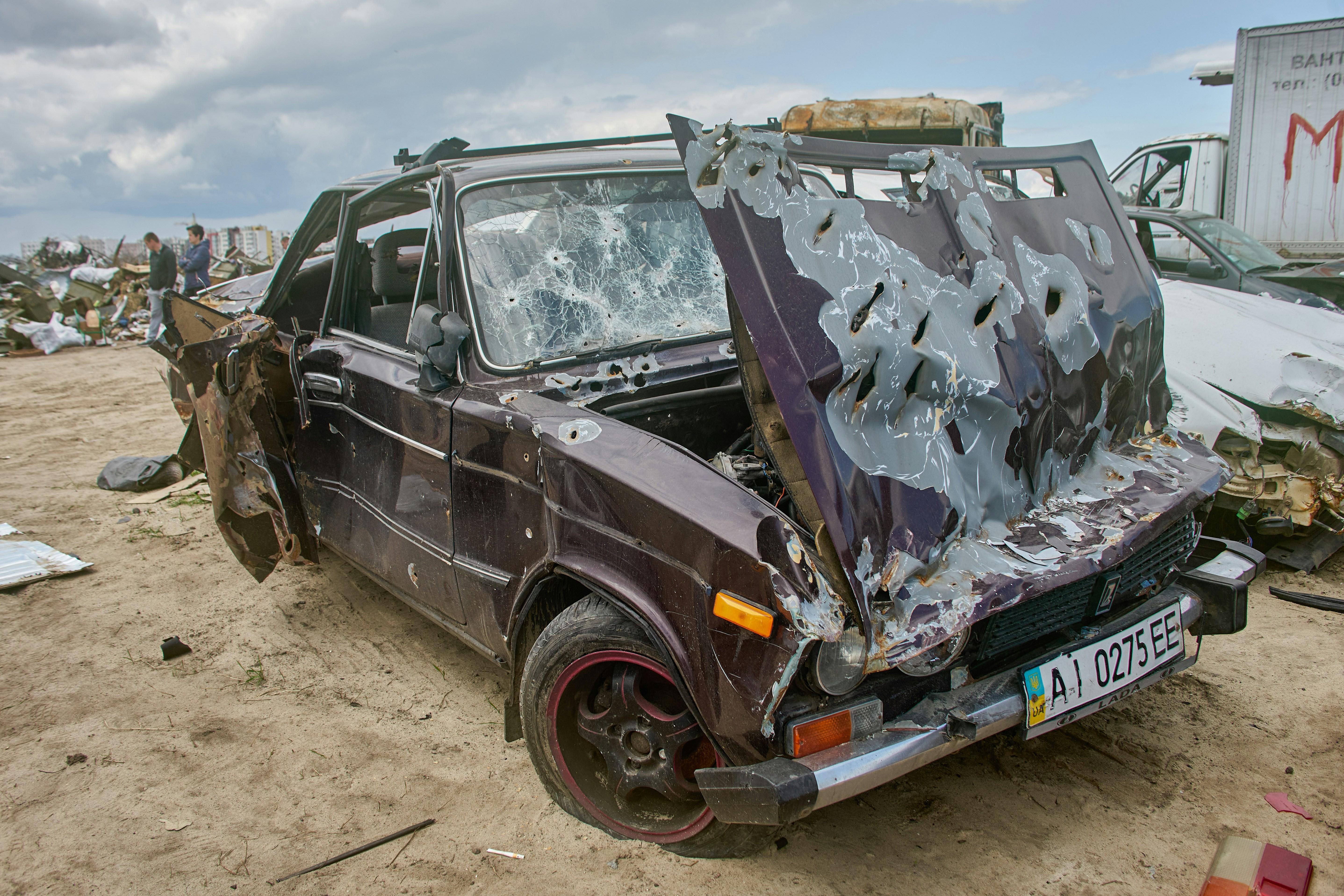
The firebombing of Tokyo on the night of March 9-10, 1945, resulted in staggering civilian casualties and left profound humanitarian consequences in its wake. The combination of incendiary bombs and the densely packed wooden structures of the city transformed the landscape into a hellish inferno, causing extensive loss of life. Estimates indicate that approximately 100,000 civilians perished on that fateful night alone,while hundreds of thousands more were injured,marking one of the deadliest air raids in history.
The humanitarian toll extended beyond immediate deaths, plunging the city into chaos and disarray.Survivors found themselves grappling with the aftermath of destruction, including:
- Displacement: Millions were rendered homeless, with many forced to seek shelter in makeshift camps.
- Food shortages: The razed city disrupted supply lines, leading to acute shortages of basic necessities.
- Mental health crises: The psychological impact of the bombings led to increased rates of depression and anxiety among survivors.
The sheer magnitude of the devastation led to an urgent humanitarian response, as organizations scrambled to address the immediate needs of the affected populace. A comprehensive assessment of the destruction revealed staggering figures:
| Category | Impact |
|---|---|
| Buildings Destroyed | Over 250,000 |
| Injured Citizens | Estimated 1 million |
| Homeless Residents | Estimated 1.5 million |
Strategic Objectives Behind the Bombing Campaign
The bombing campaign targeting Tokyo was driven by several strategic objectives aimed at weakening Japan’s ability to sustain its war efforts. Primary goals included crippling industrial production capabilities and destroying military-related infrastructure. By targeting specific industrial hubs, the United States aimed to diminish the manufacturing capacity that was essential for the Japanese military operations throughout the Pacific region.
in addition to industrial disruption, psychological warfare played a important role in the campaign’s strategy. The bombings sought to instill fear within the civilian population and undermine morale to encourage a quicker cessation of hostilities. Key factors in this approach included:
- Creating chaos and uncertainty among the populace
- Prompting public pressure on the Japanese government to surrender
- Demonstrating the overwhelming military power of the United States
Moreover, the campaign was also intended to expedite Japan’s defeat by obliterating key logistical and transportation networks. By focusing on urban centers, the goal was to disrupt supply lines that supported both civilian and military needs. This comprehensive strategy reflected a ruthless but calculated effort to bring about a swift end to the conflict. to illustrate the impact, the table below summarizes the objectives of the campaign and anticipated outcomes:
| Objective | Expected Outcome |
|---|---|
| Disrupt Industrial Production | Reduction in war material supply |
| Lower Civilian Morale | Increased pressure for government surrender |
| Target Transportation Networks | disruption of military logistics |

Lessons Learned for Modern warfare and Urban Protection
The firebombing of Tokyo during World War II serves as a stark reminder of the devastating impact of urban warfare. The scale of destruction witnessed in Tokyo illustrates the vulnerabilities of densely populated areas to aerial assaults. Modern cities, with their intricate infrastructures and high population densities, must take significant steps to mitigate similar threats.The lessons learned from this tragic event underscore the necessity for effective urban planning, emergency preparedness, and civilian protection protocols.
To improve urban resilience in the face of potential military threats,several key strategies should be emphasized:
- Clever Urban Design: Crafting cities with consideration for natural disaster resilience,including firebreaks and open spaces that can act as buffers in emergencies.
- Emergency Response Training: Regular training for both citizens and first responders to ensure readiness in case of aerial attacks or other disasters.
- Collaboration with Technology: Leveraging advanced surveillance and early-warning systems to detect threats before they escalate.
In analyzing the impact of the firebombing on civilian populations, it’s critical to establish a framework for evaluating urban protection measures. Below is a simplified comparison of key factors pre- and post-event in Tokyo:
| Factor | Before Firebombing | After Firebombing |
|---|---|---|
| Infrastructure Vulnerability | Minimal resilience planning | Increased focus on urban resilience |
| Emergency Services | Lack of coordination | Enhanced emergency protocols |
| Civilian Awareness | Limited knowledge | Comprehensive education on safety |
Wrapping Up
the firebombing of Tokyo remains one of the most devastating episodes of World War II,illustrating the destructive power of aerial warfare and the profound impact it had on civilian lives. As historians continue to analyze the strategic motives behind the bombing, the human toll—an estimated 100,000 lives lost, countless injuries, and the obliteration of an entire city—serves as a stark reminder of the horrors of war. The events of March 9-10, 1945, not only altered the landscape of Tokyo but also reshaped public consciousness regarding the ethics of warfare. As we reflect on this tragic chapter, it is crucial to honor the memories of those affected and to ensure that history does not repeat itself. Understanding the past can help us to foster a more peaceful future, where the lessons of history guide global actions toward restraint, compassion, and reconciliation.