
In his thought-provoking book, “The Celts: A modern History,” Ian Stewart delves into the enduring legacy of the Celtic people, examining how their influence resonates in contemporary society. With a blend of academic rigor and accessible narrative, Stewart explores the historical journey of the celts from ancient times to the present, highlighting their cultural contributions and societal transformations. This review will unpack the key themes of the book, shedding light on how Stewart challenges traditional perceptions and invites readers to reevaluate the importance of Celtic identity in today’s world.
exploring the Cultural Legacy of the Celts in Modern Contexts
The exploration of Celtic heritage in contemporary culture reveals a tapestry of traditions and influences that have persisted through centuries, contributing richly to our collective identity. ian Stewart’s examination in “The Celts: A Modern History” adeptly highlights how these ancient peoples have not only survived in history books but continue to galvanize modern societies across the globe. From music festivals that celebrate traditional celtic sounds to arts and crafts reflecting ancient techniques, the revival of Celtic identity serves as both a nostalgic remembrance and a party of cultural diversity.
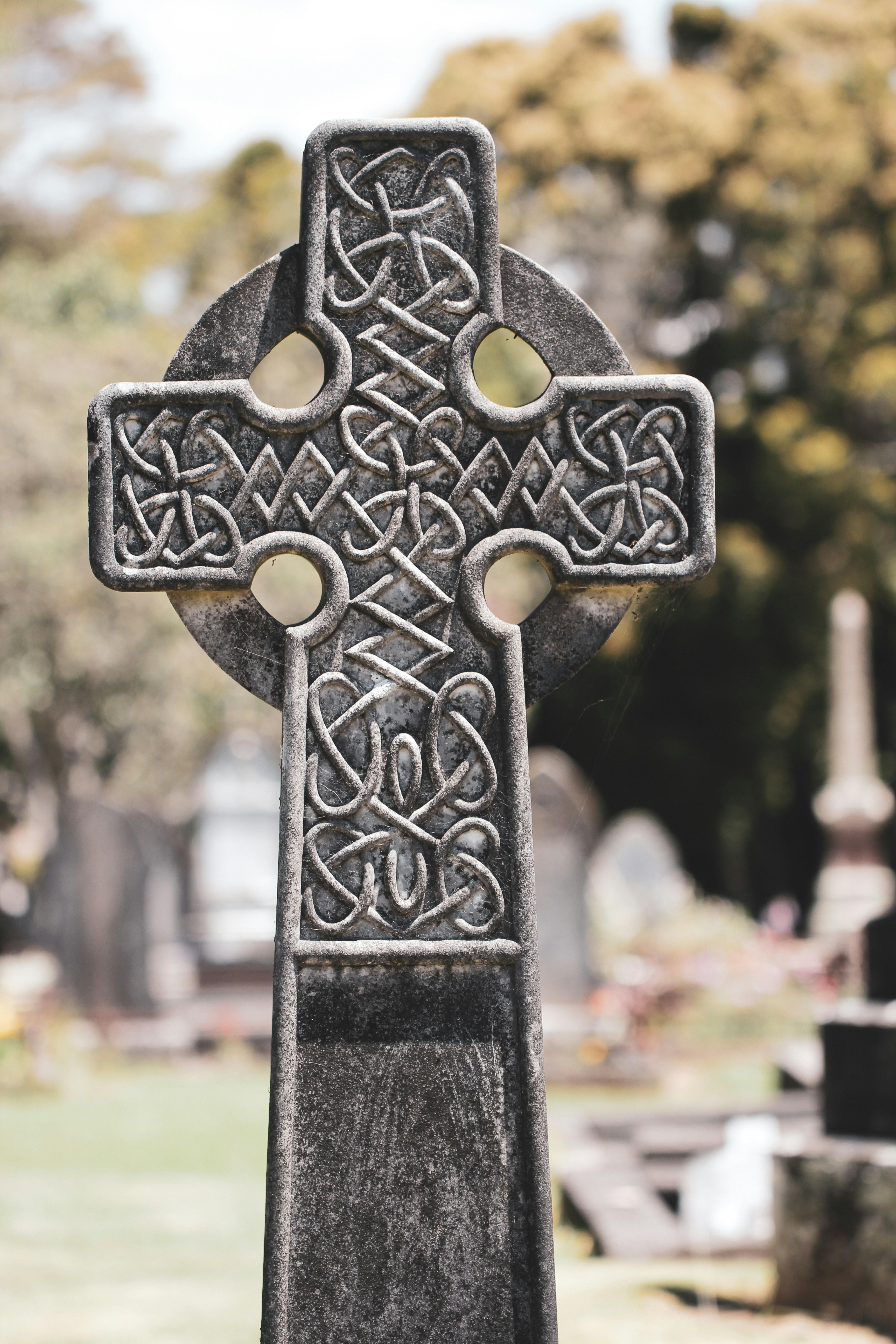
In many regions, particularly in the British Isles and parts of France, Celtic symbols and mythology are woven into the fabric of national identity. The resurgence of interest in items such as the Celtic knot and mythical figures like Brigid and Cuchulainn can be seen as manifestations of a broader movement aimed at reclaiming and revitalizing local heritage. This has been particularly visible in literary and artistic circles,were modern interpretations of Celtic folklore capture the imagination of new generations,blending ancient stories with contemporary themes. In educational settings, such connections are further reinforced through workshops and seminars focusing on Celtic history, language, and culture.
| modern Influences | Description |
|---|---|
| Music | Revival of folk traditions in popular genres |
| Art | Adoption of Celtic motifs in contemporary design |
| Literature | Reimaginings of Celtic myths in modern storytelling |
| Community Events | Festivals and gatherings celebrating Celtic heritage |
Furthermore, the enduring appeal of Celtic culture invites not just nostalgia, but also critical examination of identity and heritage in a globalized world.As younger generations seek to understand their roots amidst rapid cultural shifts, Celtic legacies provide a lens through which to appreciate the complexities of ethnicity and belonging. The insights presented by Stewart serve as a vital reminder of how ancient traditions can inform modern lives, acting as anchors in a sea of change. The conversation surrounding the Celts is not merely about looking back but also contemplating where we can go from hear, merging ancient wisdom with modern perspectives.

Ian Stewart’s Insightful Analysis of Celtic Identity and History
Ian Stewart delves into the intricate tapestry of Celtic identity and history in his evocative work, offering readers a nuanced understanding of the Celts that transcends mere folklore. His narrative is deeply anchored in historical fact, yet it acknowledges the rich mythological legacy that has shaped modern perceptions of Celtic culture. Stewart adeptly dissects various threads of Celtic identity, emphasizing how cultural evolution, tradition, and geopolitical shifts have influenced Celtic societies over the centuries.
Central to Stewart’s analysis is the recognition of the diverse sub-groups within the Celtic world, each contributing unique perspectives and experiences to the collective identity. This includes the Gaelic Irish, the Scots, the Welsh, and the Bretons, among others. He articulates how regional differences in language, customs, and beliefs reflect a broader narrative of resilience and adaptation. Notably, he highlights the role of language as a cornerstone of cultural identity, exploring the revival movements that have sought to preserve and celebrate indigenous tongues, which serve as vital links to heritage.
In addition to cultural insights, Stewart also addresses contemporary challenges faced by Celtic nations, particularly in the context of globalization and political autonomy. His critique resonates with the ongoing discourse on independence, identity preservation, and economic development in Celtic regions. By engaging with these modern issues, he not only preserves the historical narrative but also makes it relevant to the current socio-political climate. This blend of history and modernity reinforces the dynamic nature of the Celtic identity, encouraging readers to reconsider what it means to be part of this storied heritage today.

Reevaluating Historical Narratives Through the Lens of ‘The Celts
Ian Stewart’s exploration of Celtic history provides a refreshing viewpoint that challenges long-held assumptions about this ancient group. Through meticulous research and a narrative that weaves together archaeology, linguistics, and mythology, he paints a picture of the Celts as dynamic and complex societies rather than a monolithic entity. This nuanced understanding encourages readers to reconsider the stereotypes often associated with Celtic culture, highlighting the diversity and adaptability that characterized their existence across different regions.
The author’s methodical approach allows for a deeper examination of how historical narratives shape our perceptions of identity.By delving into various sources—from ancient texts to contemporary interpretations—Stewart reveals the layers of mythology that have obscured the real lives of the Celts. Key influences include:
- Archaeological findings that provide insight into Celtic social structures.
- Literary examinations that unpack the myths surrounding the Celts.
- Comparative studies that link Celtic culture to other ancient civilizations.
Recognizing the interplay of myth and history, Stewart’s work ultimately calls for a reevaluation of how we discuss the Celts in modern scholarship and popular culture. It serves as a reminder that historical narratives are not fixed; they evolve as new discoveries come to light. To illustrate Stewart’s points, one can examine the table below that outlines significant Celtic societies and their contributions:
| Society | Region | Key Contribution |
|---|---|---|
| Gauls | France | Influence on Roman military tactics |
| Picts | Scotland | Unique stone carvings and symbols |
| Goidelic Celts | Ireland | Development of Gaelic language and literature |
Recommendations for Further Reading on Celtic Heritage and Influence
For those eager to delve deeper into the rich tapestry of Celtic heritage, there are numerous compelling publications that offer insight into the multifaceted aspects of this ancient civilization. Ian Stewart’s insights in “The Celts: A Modern History” form a stellar foundation, but readers can expand their knowledge through the following works:
- “The Celts: A History” by Daithi O hOgain – This book provides a comprehensive overview of the Celtic tribes, their histories, and their influence across Europe.
- “Celtic Art: In England, Ireland, and Scotland, 400-1200” by Elizabeth Coatsworth – A vibrant exploration of the artistic expressions that defined Celtic culture during crucial historical epochs.
- “The Druids” by Peter Berresford Ellis – An engaging account that delves into the mystique of Celtic priests and their role in society.
Moreover, academic journals and online resources can serve as invaluable tools for those interested in specific aspects of Celtic studies. The following sources stand out for their scholarly contributions and accessible content:
- Celtic Studies Association – A platform offering a wealth of research articles and member publications focused on celtic languages, literature, and culture.
- Journal of Celtic Studies - This peer-reviewed journal features articles that delve into the linguistic, archaeological, and historical dimensions of the Celts.
- Celtic Heritage Foundation – A dedicated resource with various publications and documentaries aimed at celebrating and preserving Celtic culture.
For an interactive experience, consider exploring the resources provided by various heritage organizations. The following institutions offer events, workshops, and additional readings:
| Association | Focus Area | Website |
|---|---|---|
| Celtic Studies Association | Research and Publications | Visit |
| Celtic Heritage Foundation | Cultural Preservation | Visit |
| The British Museum | Exhibits and Resources | Visit |
The Conclusion
Ian Stewart’s “The Celts: A Modern History” offers an insightful and comprehensive examination of the Celts, challenging preconceived notions while revealing the deep cultural and historical influences they have imparted on modern society. Through meticulous research and engaging narrative, Stewart enriches our understanding of how Celtic identity has evolved and persists in contemporary contexts. This book not only serves as an vital contribution to Celtic studies but also invites readers to reflect on the enduring legacy of this fascinating civilization. As interest in Celtic heritage continues to grow, Stewart’s work stands as a valuable resource for both scholars and enthusiasts alike.