

On October 16th, international banking giant Chase Bank announced that it will stop allowing payments related to cryptocurrency beginning in 2021. The decision comes as cryptocurrency usage and fraud risks have increased drastically in recent months, prompting the premier financial institution to act in order to protect its customers.
- 1. Chase Bank Bans Crypto Payments: An Overview
- 2. Soaring Fraud Risks of Crypto Payments
- 3. The Impact of Chase Bank’s Ban on Crypto Payments
- 4. Looking Ahead: Challenges of Regulating Crypto Payments
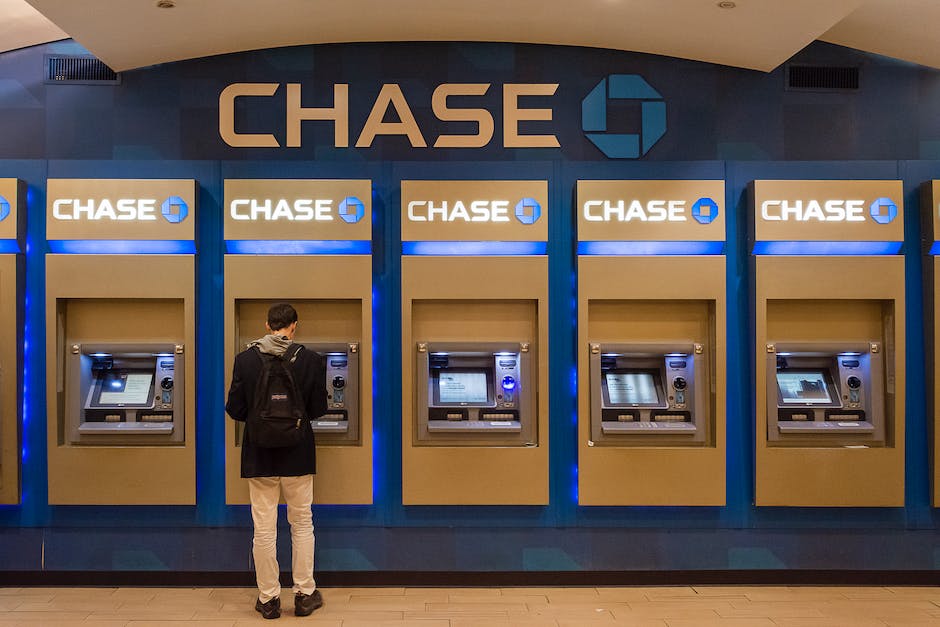
1. Chase Bank Bans Crypto Payments: An Overview
Chase Bank has recently made the announcement that it would no longer accept payments from customers who have purchased cryptocurrency. This decision has sparked a great deal of controversy and debate, and many users are unsure of their rights or how this decision will impact them. Here is an overview of the news.
What You Need to Know:
- Chase is no longer processing payments for cryptocurrencies.
- The bank cited the risk associated with cryptos and its associated volatility as the primary reason.
- Chase is currently exploring other payment solutions that would allow people to use crypto for purchasing goods.
- This decision has drawn criticism from crypto advocates who consider it an irresponsible move.
Chase Bank’s announcement has caused confusion and controversy among cryptocurrency users, as many of them rely on these payment processors to transfer money. This ban may have a drastic effect on the market as it will limit the number of people able to purchase or sell their digital currencies. There is no clear indication at this time as to when or if Chase will lift the ban.
2. Soaring Fraud Risks of Crypto Payments
As crypto payments become increasingly popular, consumers face various risks from fraud and cybercrime. Cryptocurrency transactions are risky because they’re decentralized, are irreversible, and take place outside of the traditional banking/payment infrastructure.
At the top of the list is fraud; criminals can take advantage of the anonymity of cryptocurrencies to engage in criminal activities like money laundering, fraud, and extortion. As the demand for digital currency increases, so do the opportunities for cybercriminals to commit fraud. The lack of regulations and consumer protections only increases the risks.
Risks posed by crypto payments:
- The anonymity of crypto payments allows criminals to operate without being detected.
- Once a transaction is complete, it is irreversible, making it difficult to recover lost funds.
- There is no formal oversight of the crypto market, making it easier for criminals to commit fraud.
- The decentralization of crypto payments increases the risk of manipulation.
- Cryptocurrencies can be used to facilitate money laundering.
With the rise of crypto payments, it’s essential that consumers are aware of the potential risks. It’s important to be aware of the risks posed by crypto payments and to take precautions to protect oneself from potential fraud and cybercrime.
3. The Impact of Chase Bank’s Ban on Crypto Payments
Chase Bank’s decision to ban crypto payments has left the crypto industry concerned. The reason for this ban is the lack of Federal regulation and the absence of Central Bank oversight. While this decision has not caused much disruption to traditional banking transactions, it has made it much more difficult to use crypto for payments.
The move has led to the crypto industry becoming much more regulated, as companies have had to find alternate ways to accept payments from customers. This has resulted in the emergence of new technologies, such as stablecoins, which are backed by fiat currencies and have some protection from volatility. This has enabled companies to provide customers with more secure ways to use crypto for payments.
The impact of the ban will be long-lasting, as it has meant that there is less trust in the crypto industry. It has also forced the industry to look for alternative ways of providing payment services, which could potentially result in the crypto industry becoming more mainstream. To ensure this happens, it will be important for the industry to continue to build trust and show that it has the capacity to act responsibly and in the best interests of customers.
4. Looking Ahead: Challenges of Regulating Crypto Payments
The regulation of cryptocurrency payments is still in its early stages, bringing about challenging and exciting opportunities for governments and regulators. Making cryptocurrency payments regulated ensures the security of the payments and makes them easier to trace and reconcile. While this is a complicated task, it also has the potential to revolutionize the world of payments.
One of the biggest current challenges of regulating crypto payments is a lack of understanding of the underlying technology. By understanding the cryptography and blockchain supporting the cryptocurrency, entities such as governments and financial institutions can provide the necessary regulations to control and protect crypto payments. Additionally, there are still gaps to close when it comes to legal frameworks for compliance, as well as anti-money laundering and know-your-customer (AML/KYC) regulations.
Going forward, one of the key considerations when it comes to regulating crypto payments is education and international coordination. Governments need to address education and awareness of cryptocurrencies for individuals and businesses, as well as coming together on a global level to ensure both private and public sector stakeholders can navigate the regulations and standards for defending against fraud and other criminal activities.
As cryptocurrency continues to grow and evolve, so will the regulations and fraud protection measures to keep customers safe. As Chase Bank’s ban on crypto payments shows, financial institutions are taking the necessary steps to ensure that consumers are making safe and secure payments on their platforms. It will be interesting to see how this latest development will impact the future of cryptocurrency.