
4 Ways Ethereum’s ‘World Computer’ Vision Fell Short
Explore four key ways Ethereum’s “world computer” dream has stumbled-from scalability bottlenecks to UX friction-this listicle breaks down where reality diverged from the original vision.

Explore four key ways Ethereum’s “world computer” dream has stumbled-from scalability bottlenecks to UX friction-this listicle breaks down where reality diverged from the original vision.

Shiba Inu’s Shibarium is emerging as a key pillar of the ecosystem, with rising transaction volumes, expanding dApp activity and growing developer interest testing its real-world utility beyond meme-coin hype.
News: A new ranking spotlights the Top 10 AI & Big Data projects by development, tracking code commits, active contributors and deployment on networks such as #ICP, #HBAR and #NEAR. Full metrics-based analysis follows.

Bitcoin.com Wallet has earned the WalletConnect Certified badge, signaling robust security and interoperability. The recognition confirms reliable v2 protocol support for seamless, secure DApp connections across ecosystems.

Drivechain lets Bitcoin use sidechains to trial features and assets while keeping BTC security. This explainer outlines custody, peg mechanisms, and governance debates shaping adoption.
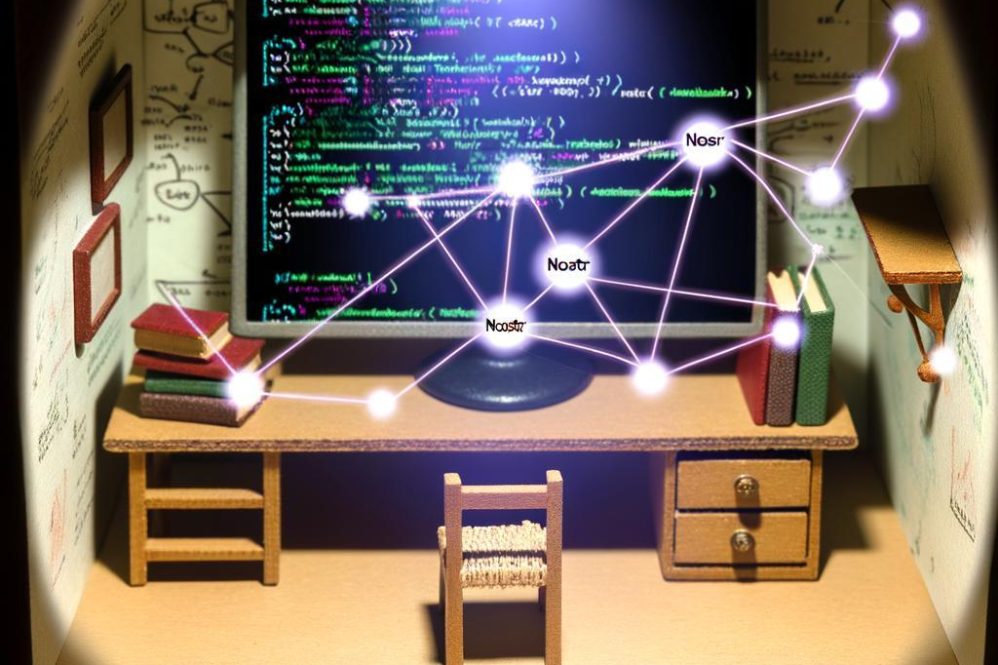
Nostr reframes programming as decentralized interaction, employing minimal protocols and peer-to-peer communication to prioritize user autonomy, resilience, privacy, and platform neutrality in software ecosystems.

Nostr reframes programming as a decentralized model, emphasizing minimal protocols, peer-to-peer communication, and user autonomy to enhance resilience, privacy, and platform neutrality.

Nostr reframes programming by privileging minimal, protocol-agnostic messaging for decentralized applications, fostering resilient peer-to-peer systems that challenge centralized platform dependencies.
The VARA Network is poised to revolutionize decentralized applications (dApps) with the impending launch of its VARA Bridge. This innovative infrastructure promises enhanced connectivity and functionality, paving the way for a new era in blockchain technology and user engagement.
In a recent statement, Sentient co-founder emphasized that decentralized AI is vital for advancing toward Artificial General Intelligence. They argue that decentralization mitigates biases and enhances transparency, promoting trust in AI systems as they evolve.