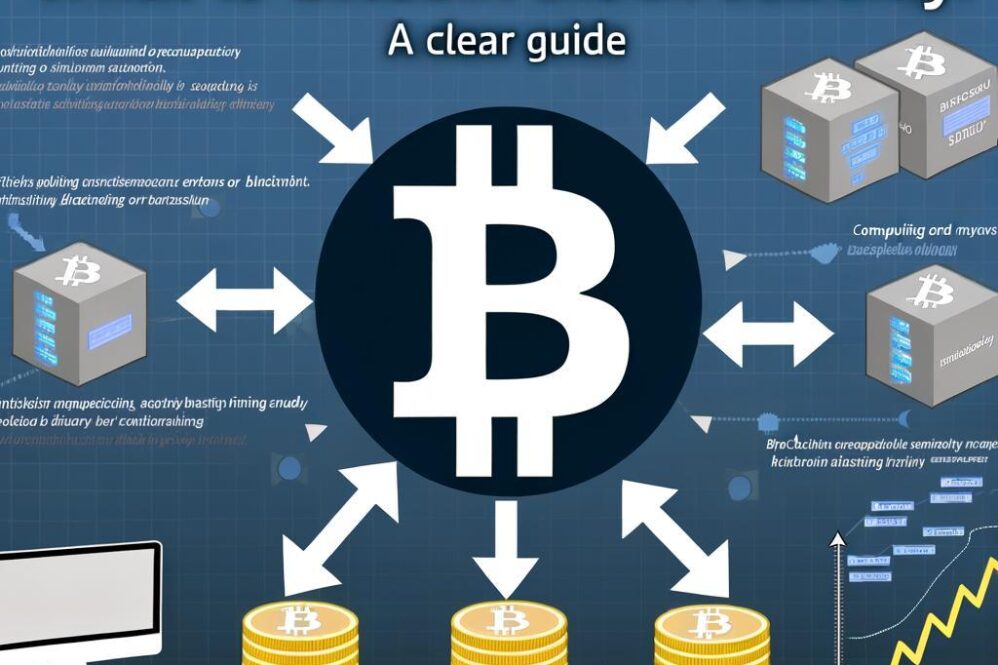
What Is Bitcoin Block Subsidy? A Clear Guide
Block subsidy is newly minted Bitcoin given to miners for each validated block, halving about every four years. This guide explains its mechanics, supply schedule and effects on mining and inflation.

Block subsidy is newly minted Bitcoin given to miners for each validated block, halving about every four years. This guide explains its mechanics, supply schedule and effects on mining and inflation.
Arkham reports the UAE holds roughly $700 million in mined Bitcoin, raising questions about state-linked crypto reserves, transparency and implications for regional market dynamics and regulatory scrutiny.
Antpool, a major player in the Bitcoin mining landscape, plays a critical role in securing the network and validating transactions. This article explores its operations, impact on mining efficiency, and the dynamic role it plays in the cryptocurrency ecosystem.
Bitcoin’s total supply is capped at 21 million coins, translating to 2.1 quadrillion satoshis, the smallest unit of Bitcoin. This finite nature underpins Bitcoin’s value, fueling demand and impacting its economic dynamics in the digital currency landscape.

Satoshi Nakamoto, the enigmatic creator of Bitcoin, remains a figure shrouded in mystery. This article delves into the origins of Bitcoin, the significance behind its pseudonymous founder, and how Satoshi’s vision continues to shape the digital currency landscape today.
Core Scientific and other Bitcoin miners experienced significant declines following news of CoreWeave’s buyout. Jefferies analysts indicate that the price adjustments are within the anticipated range, reflecting market volatility and investor sentiment.

Bitcoin’s block subsidy is a critical mechanism that rewards miners for validating transactions. Initially established at 50 BTC, this reward undergoes halving approximately every four years, reinforcing Bitcoin’s deflationary characteristics and managing its supply.
The concept of Bitcoin’s finite supply is anchored in its 2.1 quadrillion satoshis, the smallest unit of the cryptocurrency. This article delves into the implications of this limited supply on market dynamics, valuation, and the future of digital currency.
Bitcoin miner Hut 8 has seen a remarkable 15% surge in its shares following the announcement of a five-year energy supply agreement. This strategic move not only strengthens its operational capabilities but also propels confidence across the mining sector.
Mining is the backbone of cryptocurrency, serving as both a transaction validator and security mechanism. This process ensures decentralization and trust within networks like Bitcoin, making it crucial for users and investors alike to grasp its significance.