

The Digital Divide in Sweden as Government Offices Restrict Access to AI Tools
Sweden’s decision to block access to AI tools like ChatGPT and Claude in government offices, while allowing Microsoft Copilot, highlights a notable divide in digital resource allocation and technological readiness. This move raises questions about the accessibility and equitable use of advanced technology within public service institutions. The exclusion of certain AI platforms may inadvertently widen the gap between those who need access to modern tools and those who are restricted from them, thereby hindering innovation and efficiency in governmental operations.
Critics argue that such restrictive policies could lead to a lack of uniform standards and opportunities. Different departments might develop varying levels of proficiency with the available technologies. Such as, the IT department may become highly skilled with Microsoft Copilot, while other departments lag behind with limited access to similar resources. This disparity in capabilities could undermine the overall coherence and effectiveness of government services.A more inclusive approach to integrating AI tools across all departments could foster a more uniform and competent digital workforce.
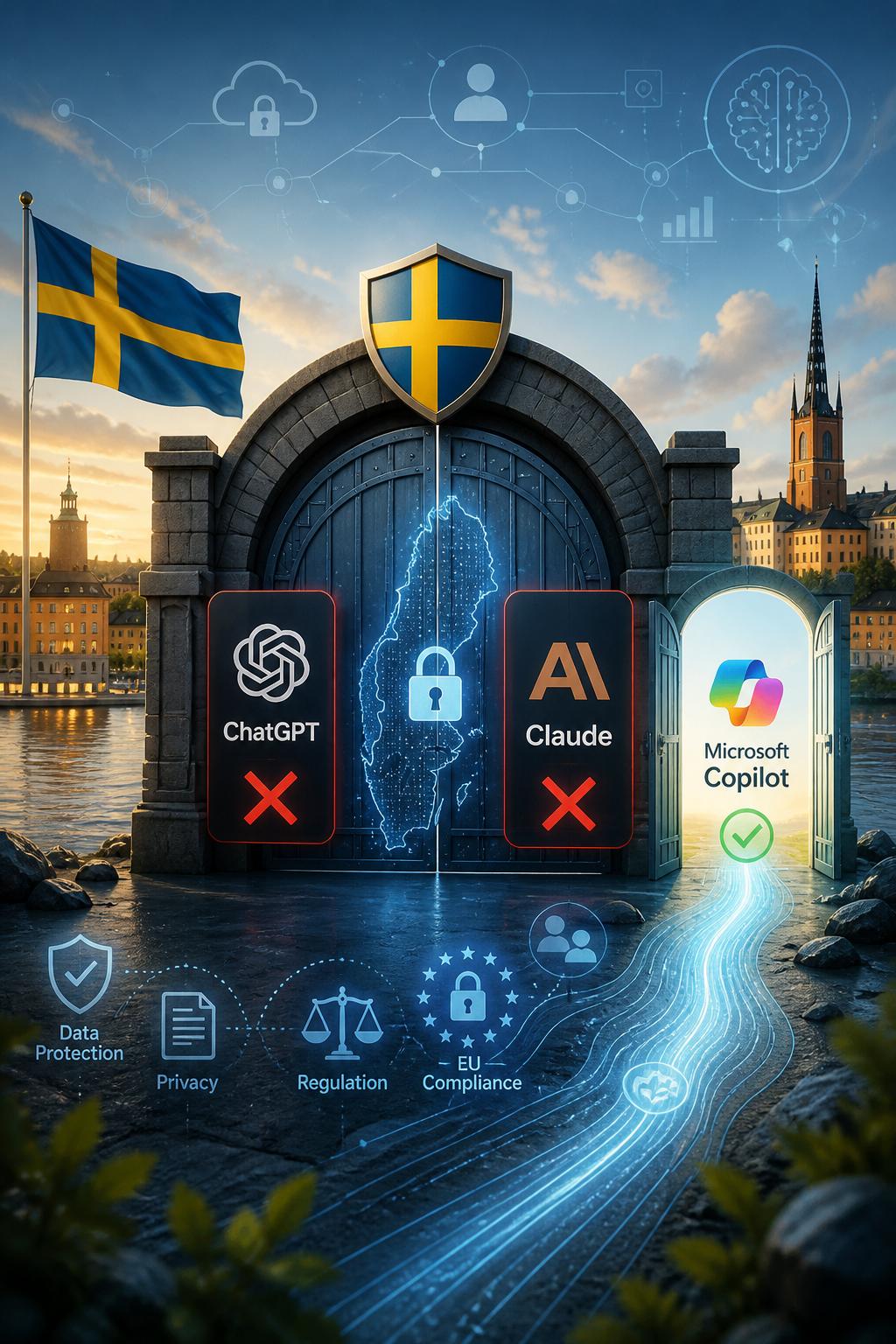
An Analysis of Sweden’s Decision to Block ChatGPT and Claude While Allowing Microsoft Copilot
Sweden’s government offices have recently taken a notable stance in the digital arena by blocking access to chatbots like ChatGPT and Claude,while simultaneously permitting Microsoft Copilot. This decision underscores a complex mix of regulatory concerns, privacyand the role of technology in government operations. The move appears to be a strategic approach to managing the privacy and security risks posed by unvetted AI systems, while embracing technologies from trusted partners.
The differentiation in Sweden’s policy towards these AI platforms can be attributed to the varying degrees of oversight and transparency each offers.ChatGPT and Claude, while widely praised for their accessibility and user-friendly interfaces, come with significant data privacy concerns. Sweden’s decision reflects a cautious approach to handling sensitive government data, preferring to work with services like Microsoft Copilot that have proven track records of compliance with robust security protocols. This choice highlights the critical balance between leveraging AI’s capabilities and safeguarding national interests.
Implications for Public Servants and Citizens in Sweden’s Digital Workspace Policies
Sweden’s decision to block ChatGPT and Claude while retaining Microsoft Copilot in its digital workspace policies has far-reaching implications for both public servants and ordinary citizens. For public servants, this move represents a clear stance on the use of artificial intelligence in government operations, emphasizing a preference for tools that offer greater control and transparency.Public offices are now required to adapt their workflow to adhere to these new guidelines,which means a shift towards platforms that have been vetted for security and compliance standards.
For citizens, the impact is more nuanced. While the move might feel restrictive from an external perspective, it underscores the Swedish government’s commitment to data privacy and security. This decision protects both the government-held data and the personal information of citizens, ensuring that sensitive information is handled responsibly. However, there are trade-offs. Access to more conversational and versatile AI tools like ChatGPT, which have proven invaluable in personal and business contexts, is now limited. This could affect the way citizens interact with and receive services from the government, notably in terms of speed and versatility.
| Tool | Status |
|---|---|
| ChatGPT | Blocked |
| Claude | Blocked |
| Microsoft Copilot | Allowed |
Recommendations for Balancing National Security with Innovation in AI Deployment
Navigating the tension between national security and technological innovation is a complex challenge,especially in the realm of artificial intelligence. Sweden’s decision to restrict access to ChatGPT and Claude while allowing Microsoft Copilot in government offices highlights the delicate balance that policy-makers must strike. This approach suggests a nuanced understanding that not all AI technologies present the same level of risk or offer the same benefits. Government entities must carefully assess the capabilities and potential threats associated with each technology to safeguard sensitive information and preserve national security interests.
| Technology | Security Concerns | Innovation Potential | Action Taken |
|---|---|---|---|
| ChatGPT | AI-driven misinformation, data leaks | Generic applications, limited privacy features | Banned |
| Claude | Complex data handling, high intelligence output | Advanced security features, specialized use cases | Banned |
| Microsoft Copilot | Limited threat profile, robust access controls | Enhanced productivity, secure collaboration | Allowed |
Ensuring that innovation in AI deployment continues while maintaining stringent security measures requires a tailored approach. Government authorities should develop comprehensive guidelines that permit the introduction of beneficial AI technologies like Microsoft Copilot while safeguarding against potential threats. This delicate balance can be maintained through continuous evaluation and adaptation of security measures, fostering a supportive yet secure environment for technological advancement.