
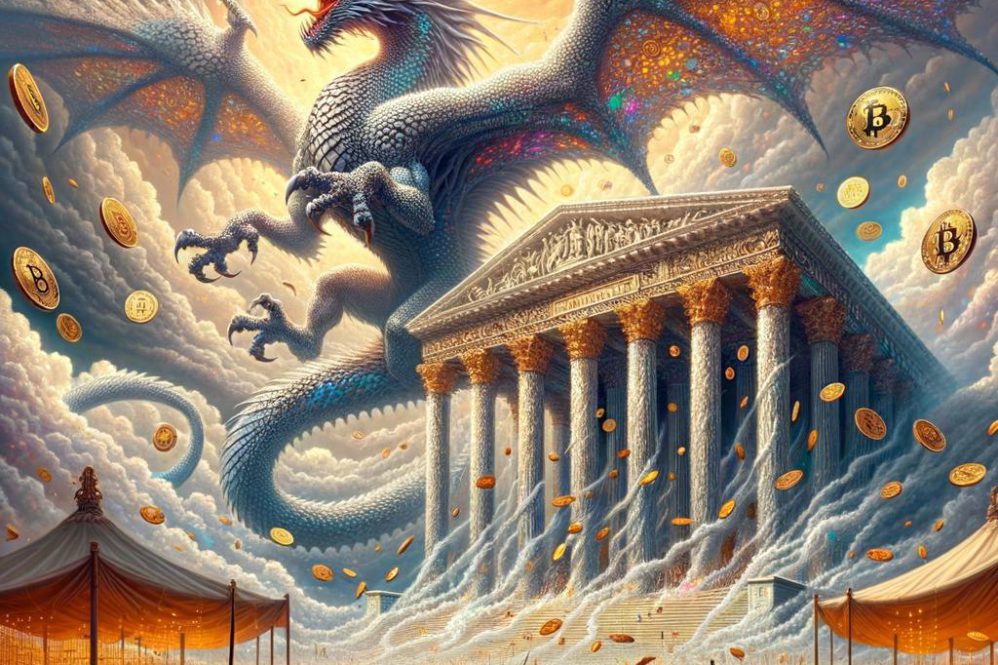
– Support for Bitcoin Strategic Reserve Bill Surges
Support for Bitcoin Strategic Reserve Bill Surges
As the influence of Bitcoin in the global financial landscape continues to grow, a recent bill proposed in the United States Congress has garnered significant attention and support. The Bitcoin Strategic Reserve Bill, introduced by Representative Warren Davidson, aims to establish a strategic reserve of Bitcoin within the US Treasury Department.
The primary objective of this bill is to protect the United States’ financial stability in the face of potential economic downturns or geopolitical uncertainties. By holding a reserve of Bitcoin, the US government would have the flexibility to utilize it as a hedge against inflation or as a means of international exchange, enhancing its resilience in times of crisis.
Furthermore, the bill recognizes Bitcoin’s role as a store of value, similar to gold, and advocates for its inclusion in the US Treasury’s portfolio. This would legitimize Bitcoin’s status as a viable asset class and potentially attract more institutional investment.
If passed into law, the Bitcoin Strategic Reserve Bill would mark a significant milestone in the recognition and adoption of Bitcoin by governments. It would not only provide a tangible indication of Bitcoin’s growing acceptance but also underscore its potential strategic importance in the 21st-century global economy.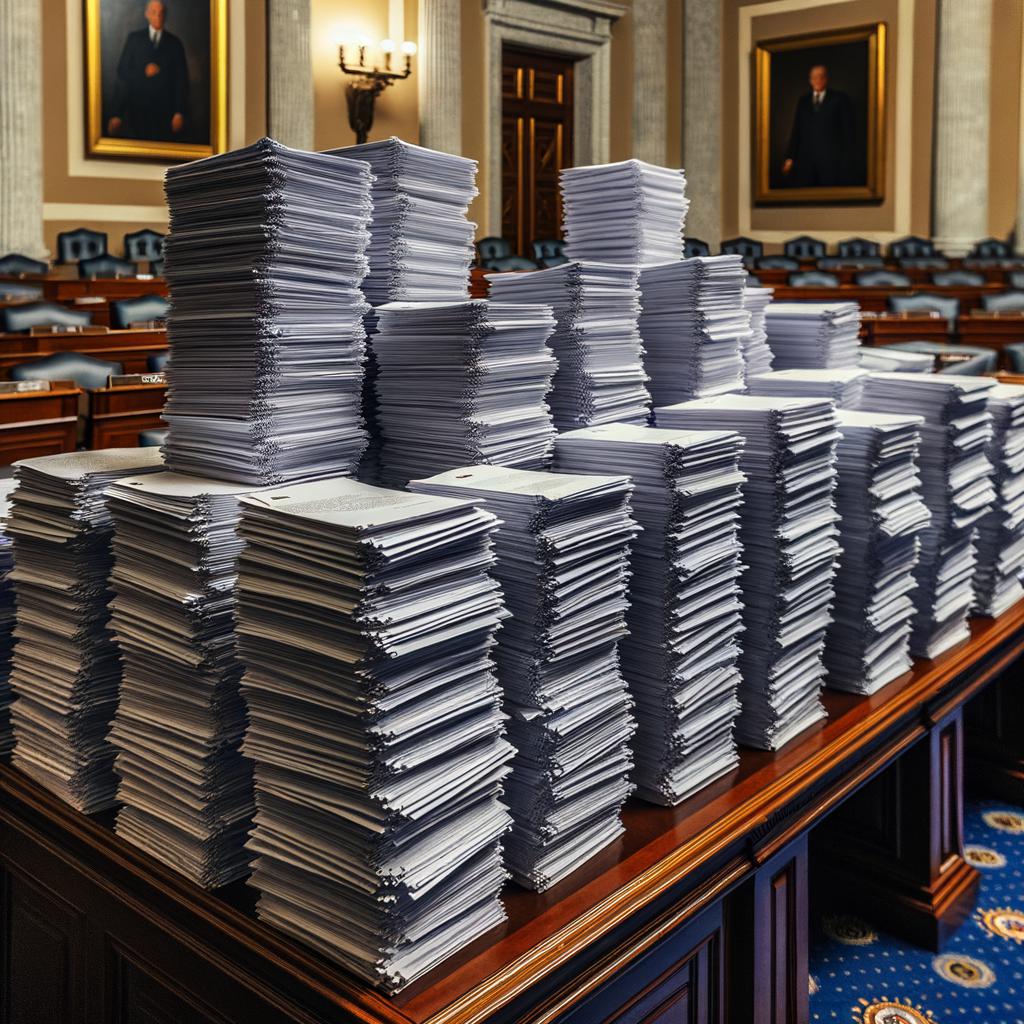
– Over 2,200 Letters Urge Senators to Back Measure
Over 2,200 Letters Urge Senators to Back Measure
More than 2,200 letters from constituents have been sent to senators in support of the proposed legislation. The letters, which were coordinated by the grassroots advocacy group Americans for a Fair Economy, urge senators to back the measure, which would impose new restrictions on payday lenders.
The letters cite the high interest rates and fees charged by payday lenders, which can trap borrowers in a cycle of debt. The letters also argue that the measure would protect consumers from predatory lending practices.
“These letters show that there is a growing groundswell of support for this important legislation,” said Americans for a Fair Economy spokesperson John Taylor. “We urge senators to listen to their constituents and support this measure.”
The measure is currently being considered by the Senate Banking Committee. The committee is expected to vote on the measure in the coming weeks.
- Senators Face Growing Pressure to Consider Bitcoin Reserve
Senators Face Growing Pressure to Consider Bitcoin Reserve
In recent months, there has been a growing chorus of voices calling on senators to consider adding Bitcoin to the US’s foreign currency reserves. Proponents of this move argue that Bitcoin’s unique characteristics, such as its decentralized nature and limited supply, make it an attractive asset for the United States.
Some senators have already expressed support for the idea of adding Bitcoin to the country’s reserves. In January, Senator Ted Cruz (R-TX) introduced a bill that would require the Treasury Department to study the feasibility of adding Bitcoin to the reserves. Senator Cynthia Lummis (R-WY) has also been a vocal advocate for the move, arguing that Bitcoin could help the United States to reduce its reliance on the US dollar.
Despite the growing support for the idea, there are still a number of challenges that must be overcome before Bitcoin can be added to the US’s reserves. One of the biggest challenges is the fact that Bitcoin is a highly volatile asset. The price of Bitcoin has fluctuated wildly in recent years, making it difficult to value the asset. Additionally, Bitcoin’s decentralized nature makes it difficult to regulate, which could pose a risk to the US’s financial system.
Despite these challenges, the pressure on senators to consider adding Bitcoin to the reserves is likely to continue to grow. As Bitcoin becomes more widely adopted and its price continues to rise, it is becoming increasingly difficult to ignore the potential benefits of adding Bitcoin to the reserves.
– Experts Weigh In on Strategic Value of Bitcoin
Experts Weigh In on Strategic Value of Bitcoin
Renowned financial analysts emphasize the strategic significance of Bitcoin in contemporary investment portfolios. Bitcoin’s inherent scarcity, driven by its limited supply, remains a key driver of its value. This scarcity acts as a hedge against inflation, protecting investors from the erosion of purchasing power.
Furthermore, Bitcoin’s decentralization and lack of correlation with traditional asset classes enhance its diversification benefits. By incorporating Bitcoin into portfolios, investors can potentially reduce overall risk while pursuing higher returns. Bitcoin’s global reach and 24/7 trading accessibility further contribute to its appeal.
Seasoned market strategists advise investors to approach Bitcoin with a long-term perspective. Volatility is intrinsic to emerging asset classes, and Bitcoin’s historical price fluctuations underscore this fact. By investing with a focus on long-term growth, investors can navigate short-term fluctuations and reap the potential rewards of Bitcoin’s adoption and value appreciation.
Seasoned investors emphasize the importance of due diligence before investing in Bitcoin. They recommend understanding the underlying technology, regulatory landscape, and market dynamics. By approaching Bitcoin with a comprehensive understanding and a long-term horizon, investors can position themselves to seize opportunities and navigate potential risks in Bitcoin’s evolving market.
In a resounding affirmation of the long-held belief in Bitcoin’s potential as a strategic reserve asset, over 2,200 letters have flooded the Senate, urging its members to back the creation of a national Bitcoin reserve. This outpouring of support underscores the growing recognition of Bitcoin’s unique properties as a safe haven asset in the face of global economic uncertainties and geopolitical tensions. As the Senate debates this momentous proposal, the voices of these letter writers serve as a clarion call for a bold and forward-looking approach to securing the nation’s financial future.