

Introduction:
In an era dominated by rapid digital interaction and social media interactions, the nuances of offence and humor frequently enough collide in unexpected ways. The phrase “seriously offended” has emerged as a focal point of debate, encapsulating both genuine indignation and a cultural tendency towards irony and satire. This article delves into the implications of expressing offense in the digital age, examining how the juxtaposition of sincerity and humor—often underscored by playful emojis like 😂—shapes discourse across various platforms. By analyzing the evolution of these expressions and their impact on societal norms, we aim to unravel the complex layers surrounding the concept of being ”seriously offended” in today’s hyper-connected world.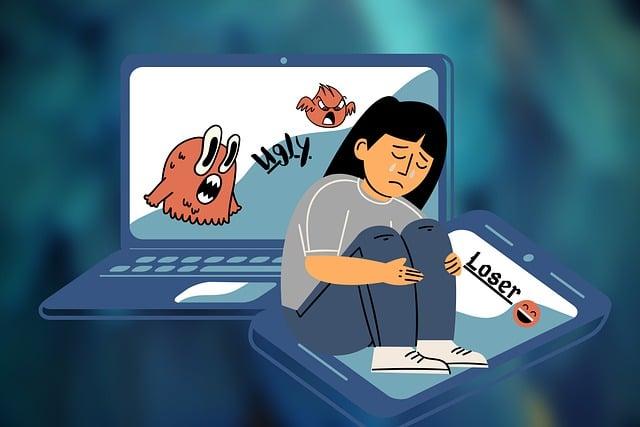
understanding the Dynamics of Offense in Modern Discourse
In recent years, the landscape of communication has transformed dramatically, leading to significant shifts in how offense is perceived and expressed.The rise of social media platforms and instant messaging has not only facilitated rapid interactions but also heightened sensitivity toward language and expression. Here are some key elements driving this conversion:
- Amplification of Voices: the democratization of voice allows a wider audience to express their outrage, often leading to immediate and viral reactions.
- Cultural Context: What may seem innocuous in one cultural framework can be deeply offensive in another, creating a complex web of interpretations.
- Rhetorical Escalation: The tendency to categorize offenses as “microaggressions” or systemic issues can lead to divisive dialogues rather than constructive discussions.
This evolution in discourse raises a crucial question: How do we navigate these sensitive dynamics without stifling authentic conversations? Understanding the different layers of offense is essential in fostering respectful dialog. A comparative analysis of public reactions to various statements highlights this nuance:
| Statement Type | Response Level |
|---|---|
| Humor | Varied – Exuberance or Outrage |
| Cultural references | Curiosity or Offense |
| Political Commentary | defensive or Agreement |
Thus, as we navigate this modern landscape, it is critical to remain aware of the implications of our words and the varying perceptions others may hold. Respecting differing viewpoints while maintaining a commitment to open dialogue can foster healthier and more productive exchanges in a society increasingly embroiled in the politics of offense.
Strategies for Navigating and Addressing Perceived Offense in Communication
In the realm of communication, the perception of offense can substantially alter interactions and relationships. Understanding this dynamic is vital for effective dialogue. When individuals feel offended, their emotional and cognitive responses can lead to misunderstandings. Active listening and empathetic engagement are pivotal strategies to navigate these situations. By acknowledging the other person’s feelings, one can foster a safe habitat that facilitates open discussion. It is essential to focus on the following tactics:
- Clarify Intent: Ask questions to discern the speaker’s intentions.
- Express Thankfulness: Thank the person for sharing their feelings.
- Utilize ‘I’ Statements: Communicate personal feelings without assigning blame.
Moreover, it’s crucial to approach the conversation with a mindset of growth and understanding. An effective response can transform a possibly negative exchange into an opportunity for personal development. implementing techniques such as reflective feedback and agreeing with truths can definitely help validate emotions while promoting constructive dialogue. Here’s a swift breakdown of how these strategies impact communication:
| Strategy | Impact |
|---|---|
| Reflective Feedback | Encourages understanding and clarity. |
| Agreeing with truths | Builds rapport and trust. |
To Conclude
the phenomenon of being “seriously offended” has evolved into a complex intersection of social norms, individual sensitivities, and the pervasive power of humor in contemporary discourse.While some may perceive the expression as trivial or even comical—evidenced by the plethora of emojis employed in its representation—an authoritative examination reveals that it often reflects deeper societal tensions and the nuances of communication in our digital age.
As we navigate this landscape of feelings, it is essential to balance sensitivity with the freedom of expression, recognizing the diverse perspectives that shape our understanding of offense. The conversation surrounding what it means to be ”seriously offended” is far from over, and it invites all of us to engage thoughtfully as we consider the implications of our words and actions in an increasingly interconnected world.
Thus, while laughter frequently enough punctuates our discussions, it is indeed vital to remain aware of the varying interpretations that can arise from seemingly innocuous remarks. Understanding and empathy will be crucial as we continue to explore the intricate web of offense, humor, and communication in the modern era.