

In a move that underscores the ongoing debate over trade policy and executive power, Senator Rand paul is urging his colleagues in Congress to take action against the White House’s authority to impose tariffs. With discussions already intensifying around potential tariff reductions on China as a means to alleviate tensions in the ongoing trade war, Paul argues for a legislative approach that would limit the executive branch’s capacity to unilaterally enact such economic measures. as the Biden governance weighs the implications of tariff adjustments, Senator Paul’s call to rein in executive powers reflects a growing concern among lawmakers about the long-term impacts of trade policies on American consumers and businesses. This article explores Paul’s position, the broader implications of tariff authority, and the current landscape of U.S.-China relations amid shifting economic strategies.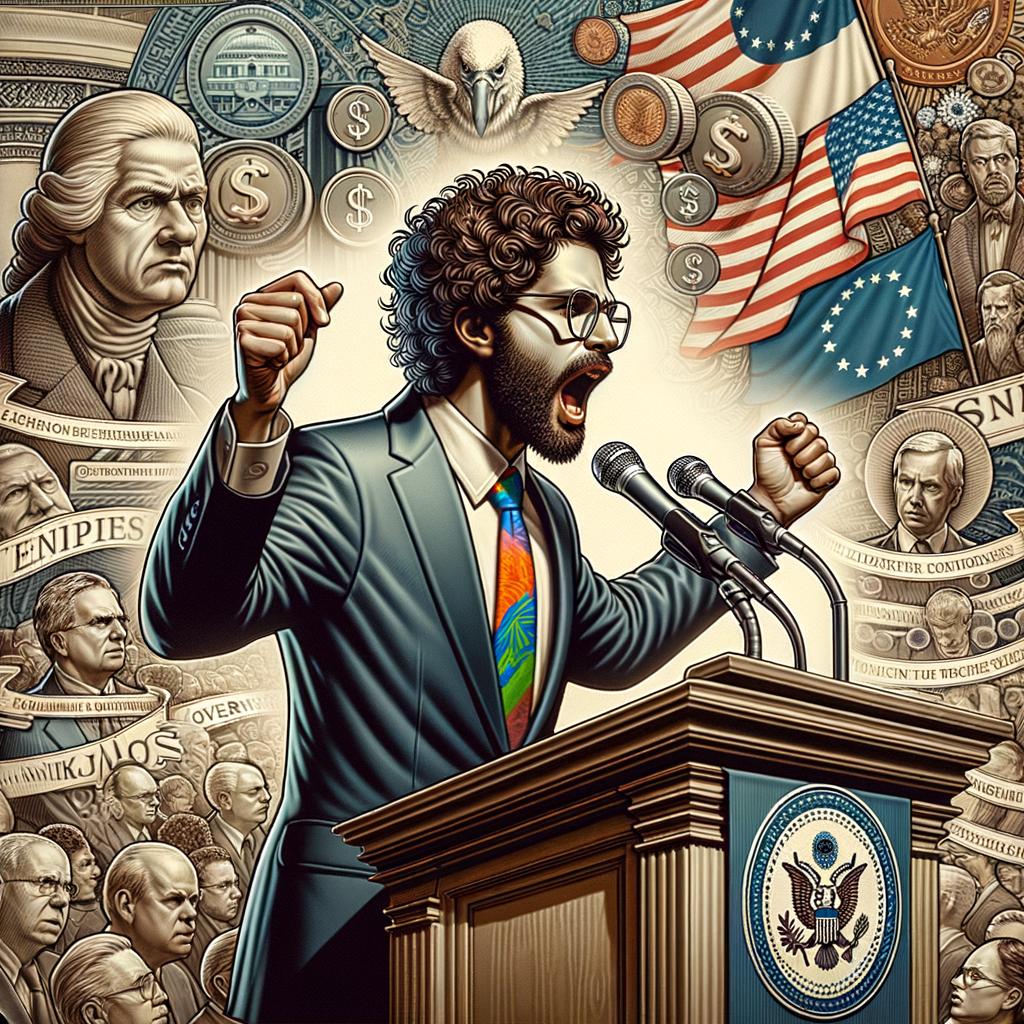
Senator Rand Paul Advocates for Limitations on Presidential Tariff Authority
Senator Rand Paul has taken a bold stance concerning the presidential power to impose tariffs, advocating for clear limitations on this authority. He argues that unchecked tariff powers could lead to economic instability and chaotic trade relations. By promoting legislative measures,paul seeks to restore Congress’s role in tariff decision-making,ensuring a democratic process where elected representatives have a say in economic policies.
Key points of Senator Paul’s proposal include:
- Reinforcing Congressional Oversight: Paul emphasizes the importance of legislative checks to prevent the executive from unilaterally imposing tariffs that could negatively impact american businesses and consumers.
- Protecting Free Trade: By limiting presidential authority, he hopes to encourage fair and open trade practices, safeguarding the interests of both importers and exporters.
- Mitigating Economic Risks: Paul warns that arbitrary tariff decisions can lead to retaliation from other nations, which may ultimately harm the U.S. economy and cost American jobs.
The senator’s initiative highlights the ongoing debate about trade policies and the balance of power in Washington. By encouraging public discourse around this issue, he aims to foster a better understanding among constituents regarding the complexities of international trade and economic governance.
Legislative Push: Aiming to Curb Tariffs Amid Economic Concerns
The debate surrounding the implementation of new tariffs on electronic goods has intensified as lawmakers express concerns about potential negative impacts on the economy. Various stakeholders, including trade associations and consumer advocacy groups, have raised alarms about the implications of increased costs on both producers and consumers. With inflation already affecting purchasing power, lawmakers are urging a reconsideration of the proposed duties to avoid exacerbating economic challenges.
Key points being highlighted in the legislative discussions include:
- Impact on Consumers: The proposed tariffs could lead to higher prices for electronic goods, which may disproportionately affect low- and middle-income families.
- Pressure on Manufacturers: Domestic manufacturers could face increased production costs,potentially leading to reduced competitiveness in the global market.
- job Loss Concerns: There is a fear that heightened tariffs may result in job losses within the electronics sector as companies may seek to cut costs or relocate production facilities abroad.
As the deadline for the tariff implementation approaches, legislators are mobilizing efforts to introduce bills aimed at mitigating the effects of these tariffs. Some lawmakers are advocating for a comprehensive review process that considers both economic data and stakeholder input before moving forward. The evolving discussions signify a crucial moment where trade policy intersects with prevailing economic realities, prompting calls for a balanced approach that safeguards both the economy and consumer interests.
Bipartisan Support Growing for Tariff Reforms in Congress
Amid ongoing debates about trade policies, a notable shift is occurring within Congress, with increasing bipartisan support for tariff reforms. Lawmakers from both parties are recognizing the need for adjustments that reflect the current economic landscape, particularly in response to evolving global supply chains and inflationary pressures. This convergence of interests signals a potential breakthrough in a historically contentious area,opening the door for new policies that could benefit a wide range of industries.
Proponents of reform argue that existing tariffs have often led to unintended consequences, including higher prices for consumers and increased production costs for businesses. They emphasize the importance of establishing a more flexible tariff structure that can adapt to changing market realities. Key talking points among supporters include:
- Enhancing Competitiveness: Reducing tariffs can help domestic manufacturers compete more effectively against foreign companies.
- Promoting Fair Trade Practices: A re-evaluation of tariffs could address longstanding inequities in trade agreements.
- Encouraging Innovation: Lower costs associated with imported goods can foster a more innovative business habitat.
On the other hand, some members of Congress remain cautious, voicing concerns about potential impacts on national security and domestic industries that might rely on protective tariffs. Despite these reservations, the dialog around tariff reforms is gaining momentum, with several key lawmakers leading discussions on potential legislative frameworks. As the debate continues, stakeholders from various sectors are urging Congress to consider reforms that not only support economic growth but also provide a fair and equitable trading environment for all American businesses.
Implications of Tariff Powers on Trade Policy and Consumer Prices
The looming imposition of tariffs on imported vehicles could have far-reaching consequences for trade policy and consumer prices. As manufacturers grapple with the increased cost of imported parts and finished vehicles, it is likely that these costs will be passed on to consumers in the form of higher vehicle prices. This inflationary pressure could lead to a notable reduction in consumer buying power, exacerbating already existing affordability issues in the automotive market.
In addition to price hikes, consumers may also face a decreased variety of vehicle choices. Many automakers rely on global supply chains and a diverse portfolio of foreign-made vehicles to meet consumer demand. with tariffs making imports more expensive, manufacturers may choose to limit their offering of certain models, particularly those that are imported and not produced domestically. This consolidation could restrict consumers’ options, narrowing their choices to primarily domestic vehicles, which may not align with preferences for specific features or designs.
These changes in the automotive landscape could lead to a shift in consumer behavior as buyers reassess their purchasing decisions. Potential buyers might delay purchases or opt for used vehicles instead of new ones, anticipating a wider price gap due to tariffs. Additionally, consumers may increasingly seek alternatives such as electric vehicles or other newer technologies that promise better fuel efficiency and lower operating costs, thereby altering the dynamics of car-buying in America and potentially reshaping the automotive market for years to come.
Senator Rand Paul’s call for greater congressional oversight of the White House’s tariff powers underscores a growing concern among lawmakers regarding the unilateral authority wielded by the executive branch. As trade tensions escalate and economic implications become increasingly complex,the balance of power between Congress and the presidency will be crucial in shaping the future of U.S. trade policy.While Senator Paul’s position reflects broader bipartisan apprehensions about the potential consequences of unchecked tariff impositions, it remains to be seen how his colleagues will respond and whether legislative action will follow. As the debate unfolds, the implications for American businesses and consumers remain a central focus of this ongoing discussion.


