

SEC Delays Tokenized Stocks Innovation Exemption Due to Regulatory and Market Concerns
The U.S. Securities and exchange Commission (SEC) has postponed the introduction of its much-anticipated exemption aimed at fostering innovation within the realm of tokenized stocks. This delay stems from heightened apprehensions regarding regulatory compliance and the current volatility in the financial markets. Industry stakeholders, who eagerly awaited a streamlined regulatory pathway, now face extended uncertainty as the Commission continues to evaluate the broader implications of such a move on investor protection and market integrity.
Key concerns highlighted by the SEC include:
- Investor Risk Mitigation: Ensuring adequate safeguards against potential fraud and market manipulation.
- Market Stability: Assessing the impact of tokenized securities on conventional trading systems.
- Regulatory Oversight: balancing innovation wiht existing securities laws and enforcement capabilities.
The delay signals a cautious regulatory approach as the SEC seeks comprehensive feedback from market participants. This approach underscores the complexity of integrating decentralized asset classes into the established framework without compromising openness and accountability.
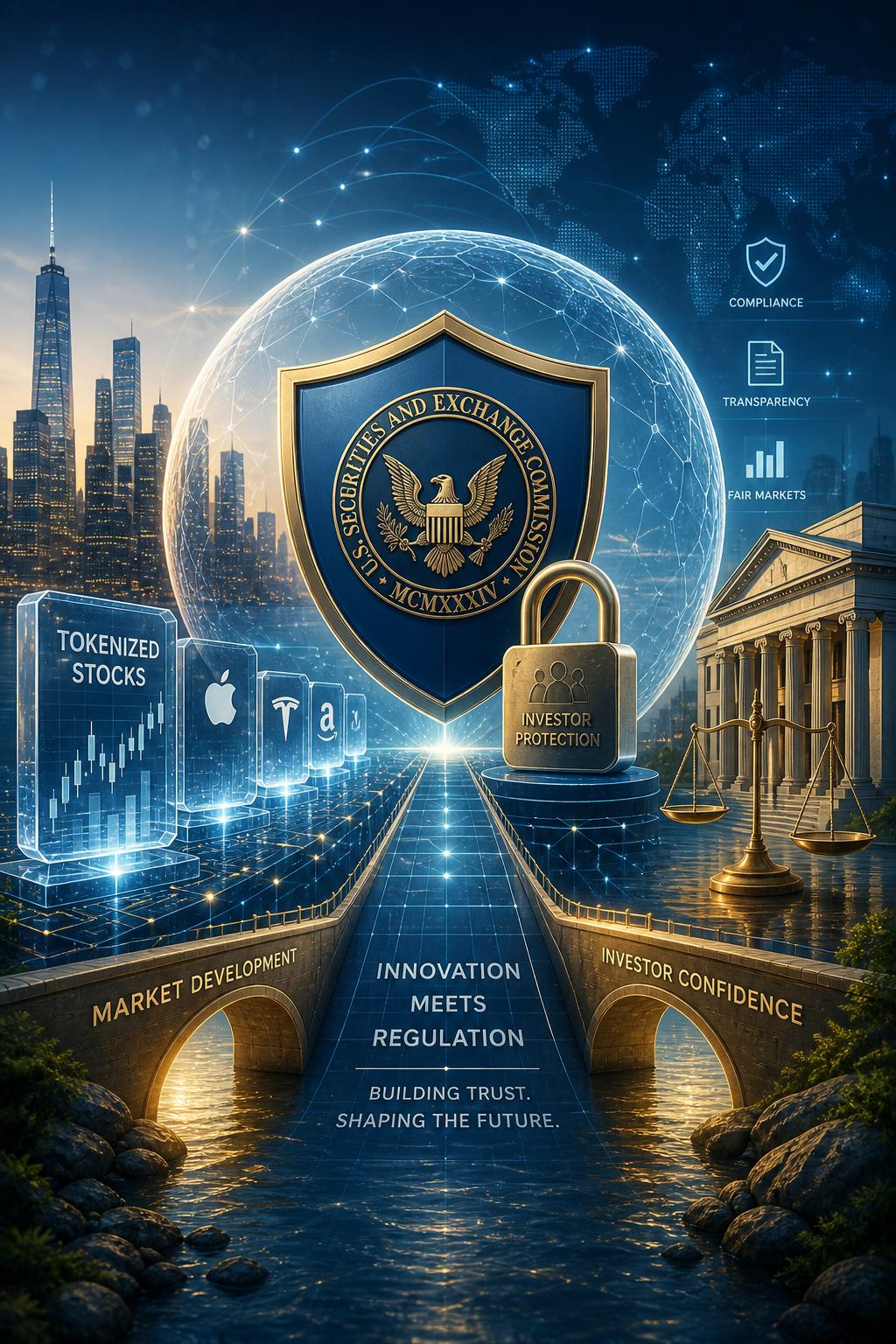
Implications of the SEC’s Decision on Tokenized Stock Market Development and Investor Protection
The recent move by the SEC to delay the innovation exemption for tokenized stocks substantially impacts both market development and investor protection strategies. By postponing this regulatory relief, the commission underscores the complexities involved in integrating traditional financial instruments with blockchain technology.This cautious approach prioritizes the establishment of a robust regulatory framework to mitigate risks such as fraud,market manipulation,and lack of transparency,which are often associated with emerging digital assets. As a result, market participants face continued regulatory uncertainty, possibly slowing innovation and adoption rates within the tokenized stock ecosystem.
Key considerations arising from the SEC’s decision include:
- Investor safeguarding: Ensuring adequate protections against volatile market practices and ensuring transparency in tokenized stock offerings.
- Regulatory clarity: Providing clear guidelines regarding compliance, custody, and secondary market operations.
- Market integrity: Maintaining fair trading conditions to foster trust among institutional and retail investors alike.
| Aspect | Potential Impact |
|---|---|
| Innovation Pace | Slowed due to extended compliance timelines |
| investor Confidence | Enhanced through heightened regulatory scrutiny |
| market Participation | Limited short term, may increase with regulatory clarity |
Analyzing Key Regulatory Challenges Facing innovation in Tokenized Securities
The U.S. Securities and Exchange Commission (SEC) has recently postponed the introduction of an innovation exemption aimed at fostering growth in tokenized stocks, citing unresolved regulatory and investor protection concerns. This delay underscores the complex balance regulators must strike between encouraging technological advancements and ensuring market integrity. Key issues include the classification of tokenized securities under existing laws, potential vulnerabilities to fraud, and the necessity for transparent disclosures to safeguard investors.
Major regulatory challenges currently impeding progress include:
- ambiguity in legal frameworks surrounding digital asset classification
- Concerns over compliance with anti-money laundering (AML) and know-your-customer (KYC) regulations
- Risks tied to lack of centralized oversight and custodial controls
- Innovations outpacing regulatory readiness, causing implementation delays
| Regulatory Concern | Implication |
|---|---|
| Token Classification | Uncertainty around securities law applicability |
| Market Integrity | Potential for manipulation and fraud |
| investor Protections | Need for robust disclosure requirements |
| AML/KYC Compliance | Challenges in decentralized ecosystems |
Recommendations for Market Participants to Navigate the Evolving SEC Guidelines on Tokenized Assets
Market participants should prioritize maintaining robust compliance frameworks to adapt swiftly to shifting SEC requirements related to tokenized assets. Engaging legal experts specializing in securities law and blockchain technology is crucial to interpret evolving guidelines accurately and mitigate regulatory risks. Additionally, firms need to enhance transparency through meticulous record-keeping and audit trails, thereby fostering trust with regulators and investors alike. Emphasizing clear dialogue strategies about the unique characteristics and risks of tokenized stocks will further support alignment with compliance expectations.
Proactive collaboration with industry bodies and regulatory sandboxes can also offer invaluable insights and advance understanding of applicable regulatory landscapes. Stakeholders are encouraged to invest in scalable technological solutions enabling secure and efficient asset tokenization while ensuring data integrity. Key recommendations include:
- Regularly monitor SEC announcements and adapt policies accordingly
- Implement rigorous due diligence notably in KYC/AML procedures
- Focus on investor education to clarify the complexities of tokenized assets
- Leverage pilot programs for testing compliance and operational readiness

