

1. Rice Bags: A Substitute Currency Within SBF’s Confinement
Within the confines of SBF, rice bags developed into an unexpected medium of exchange, serving a similar function to traditional currency. This unconventional form of currency was widely accepted due to its intrinsic value and practical utility.
Rice, a staple food source, is essential for survival and sustenance. As a result, it holds innate value among the camp’s inhabitants. Moreover, the physical presence of rice bags facilitates direct transactions, eliminating the need for intermediaries or complex accounting systems.
The circulation of rice bags within SBF represented a grassroots economic system, independent of the external world. Prisoners established an equitable exchange rate, enabling the valuation of goods and services using rice as the common denominator. This allowed for a degree of economic stability within the camp’s confines.
Over time, rice bags transcended their original purpose as a food staple to become a multifaceted currency. They served as a unit of account, store of value, and medium of exchange, enabling complex economic transactions within the isolated community. This unique adaptation underscores the resilience and ingenuity of prisoners forced to operate outside conventional economic systems.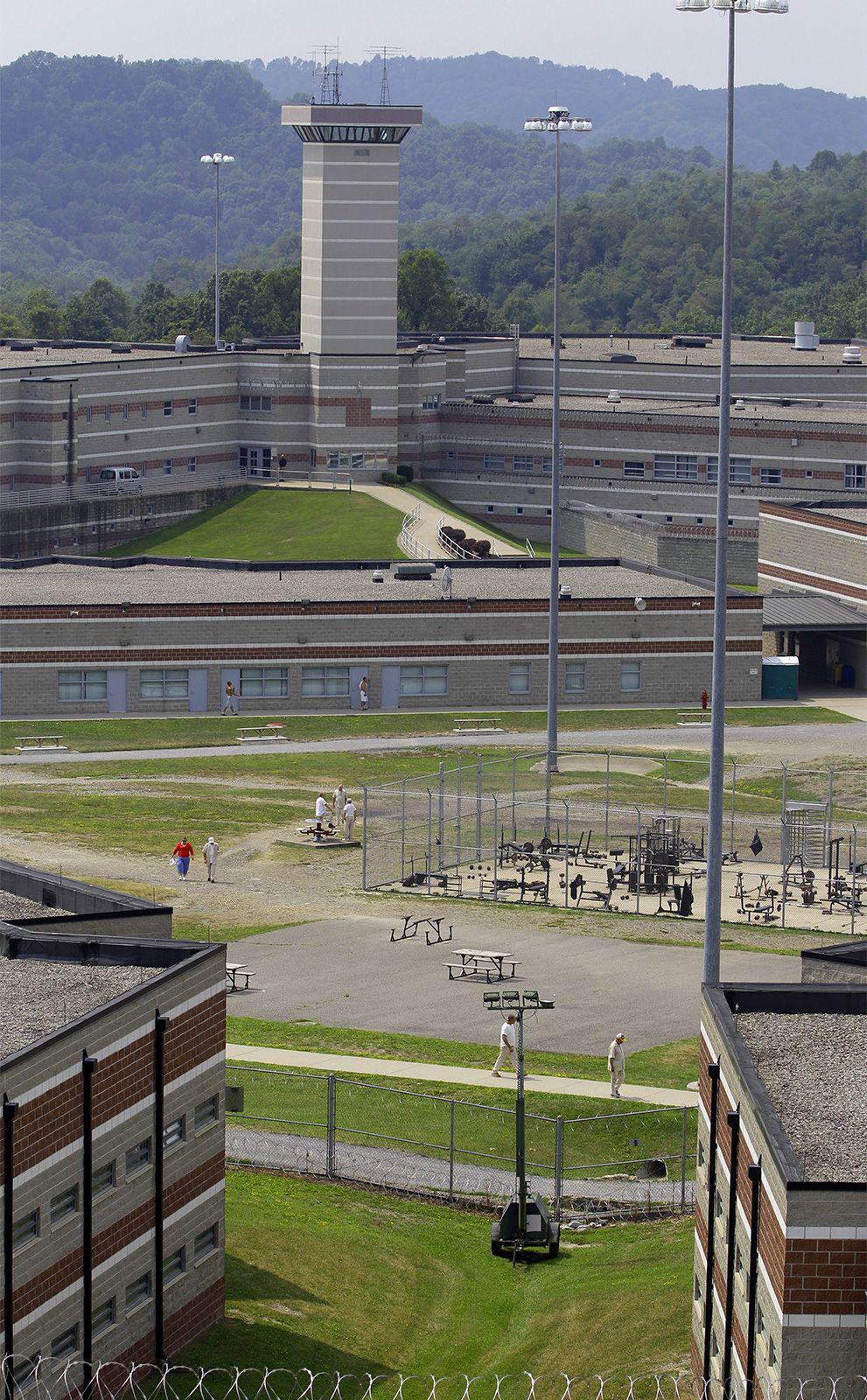
2. The Prison Economy: Trade Flourishes with Rice as Tender
Within the prison walls, an intricate economic system takes shape, where inmates find ways to barter and trade goods to survive and improve their lives. One remarkable aspect of this prison economy is the emergence of rice as a highly valued and versatile form of currency.
In many prisons, rice has become the medium of exchange for countless transactions. It can be used to purchase essential items such as toiletries, clothing, or food from fellow inmates, acting as a substitute for cash or commissary credits. This rice-based economy allows inmates to access goods that might otherwise be unavailable or prohibitively expensive through official channels.
The supply and demand dynamics of rice within the prison system are complex. Inmates with limited access to resources rely heavily on rice as their primary means of acquiring necessities. Conversely, those with access to smuggled or contraband goods can gain a significant advantage by bartering them for large quantities of rice, which they can then use to purchase other products or services.
The prison rice economy not only facilitates the exchange of tangible goods but also plays a role in shaping social relationships. Inmates who control access to rice often gain influence and status within the prison community. This dynamic can sometimes lead to power imbalances and disputes over the distribution and exchange of rice, highlighting the complexities and challenges of daily life behind bars.
3. First-Hand Account: Inmates Utilize Rice Bags for Transactions
Rice Bags as Currency
Inmates within the prison have found an inventive method for conducting transactions outside of the official prison economy. Rice bags, typically provided as food, have become a valuable commodity, serving as a form of currency for inmates. These bags are used to facilitate exchanges of various goods and services within the confines of the facility.
The use of rice bags as currency has been driven by the limited access to traditional forms of money or banking services within the prison system. As a result, inmates have devised their own informal economy, where rice bags have emerged as a practical and widely accepted means of payment.
The value of rice bags fluctuates based on supply and demand, with prices varying depending on the availability of goods or the urgency of services required. Inmates often store these bags as a form of savings, anticipating future transactions or price fluctuations. The rice bag economy has also facilitated the establishment of small-scale businesses within the prison, allowing inmates to generate income and meet their needs.
However, the use of rice bags as currency is not without its challenges. The prison administration views this practice as a security concern, as bags can conceal contraband or be used as weapons. As a result, inmates must often engage in covert transactions to avoid detection. The illicit nature of this economy can also lead to disputes and power struggles among inmates.
In closing, Bankman-Fried’s revelation of the unconventional currency system within FCI Edgefield highlights the unique challenges and adaptations that inmates must make to survive and maintain a semblance of normalcy in the prison environment. While the use of rice bags as currency may seem unorthodox, it underscores the resourcefulness and determination of prisoners to establish a functional economic system within the constraints of their incarceration. As Bankman-Fried prepares for his trial and potential sentencing, his firsthand account of the prison currency system offers a glimpse into the hidden economy that exists behind bars and the ways in which inmates navigate the challenges of confinement.
