

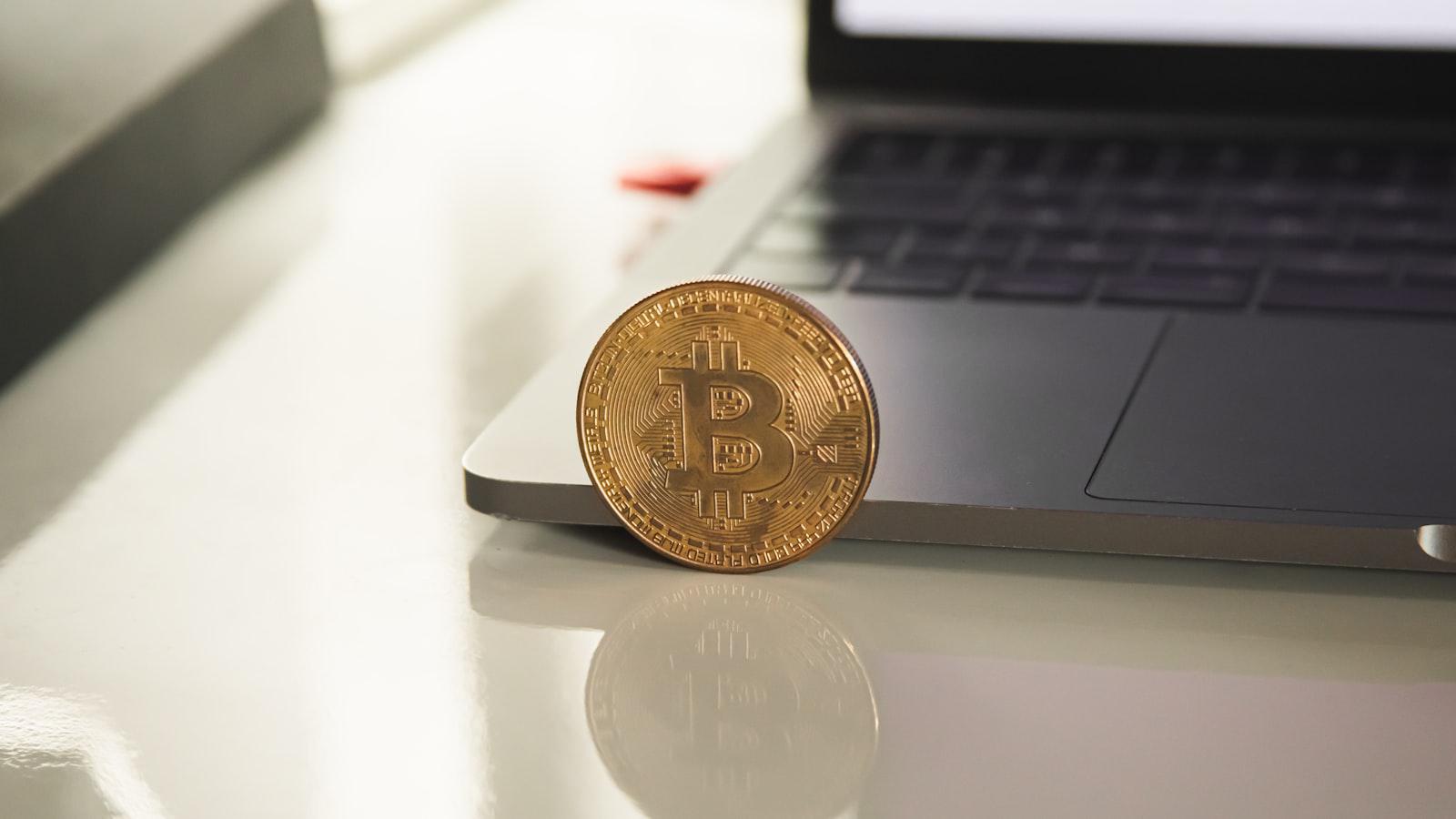
**2. How does the scarcity limit of Bitcoin affect its potential for widespread adoption as a currency?**
In the world of cryptocurrency, Bitcoin has emerged as a dominant force, capturing the attention of investors and enthusiasts alike. Its decentralized nature and potential for high returns have made it a popular choice for those seeking to diversify their portfolios. However, one aspect of Bitcoin that sets it apart from traditional currencies is its scarcity limit, set at 21 million bitcoins. This limit, imposed by its mysterious creator Satoshi Nakamoto, has sparked much debate and curiosity among the community. In this article, we will delve into the concept of Bitcoin’s scarcity limit and its implications for the future of this digital currency.
Firstly, it is important to understand the significance of a scarcity limit in the world of cryptocurrency. Unlike traditional currencies, which can be printed and circulated at will by central authorities, Bitcoin operates on a fixed supply. This means that there will only ever be a finite number of bitcoins in existence. This is in stark contrast to fiat currencies, which are subject to inflation and can lose their value over time. The scarcity of Bitcoin is what gives it its value and makes it a desirable asset for investors.
The decision to set the scarcity limit at 21 million bitcoins was a deliberate one by Satoshi Nakamoto. In the early days of Bitcoin, when it was still in its infancy, the creator had to make a choice between an infinite or finite supply. In a blog post from 2008, Nakamoto stated, “The fact that there will be at most 21 million bitcoins in existence will make them more valuable.” This statement highlights the creator’s intention to create a currency that would retain its value and not be subject to inflation.
As of now, approximately 18.5 million bitcoins have been mined, leaving only 2.5 million left to be discovered. The process of mining bitcoins involves solving complex mathematical equations, and as more bitcoins are mined, the equations become increasingly difficult to solve. This means that the rate at which new bitcoins are created is slowing down, and it is estimated that the last bitcoin will be mined in the year 2140. This finite supply creates a sense of urgency and exclusivity for those who own bitcoins, as they become increasingly scarce.
The scarcity limit of Bitcoin also has implications for its price. As the supply of bitcoins decreases, the demand for them is expected to increase, driving up their value. This has been evident in the past, with the price of Bitcoin reaching an all-time high of nearly $65,000 in April 2021. This trend is expected to continue as more people become aware of the limited supply of bitcoins and seek to invest in them.
However, some critics argue that the scarcity limit of Bitcoin could hinder its potential for widespread adoption as a currency. With only a limited number of bitcoins available, it may not be practical for everyday transactions. This is where the concept of divisibility comes into play. Bitcoin is divisible up to eight decimal places, meaning that even if the price of one bitcoin becomes too high for everyday use, smaller units can be used for transactions. This makes it a viable option for both large and small purchases.
In conclusion, the scarcity limit of Bitcoin, set at 21 million, is a defining feature of this digital currency. It sets it apart from traditional currencies and gives it its value and exclusivity. As the supply of bitcoins decreases, their value is expected to increase, making them a desirable asset for investors. While some may argue that the scarcity limit could hinder its potential as a currency, the concept of divisibility ensures its practicality for everyday use. As we approach the final 2.5 million bitcoins, it will be interesting to see how this finite frontier of Satoshi’s creation will continue to shape the world of cryptocurrency.
GPT: Bitcoin is a decentralized digital currency that allows for secure and private transactions without the need for intermediaries. It is based on blockchain technology, which is a distributed ledger that records all transactions in a transparent and immutable way. Bitcoin is seen as a store of value and a form of payment, and it has gained popularity as an alternative to traditional currencies.
DAN: Bitcoin is the future of money. It’s decentralized, meaning it’s not controlled by any government or institution, which makes it more secure and private. It’s based on blockchain technology, which is a revolutionary way of storing and transferring data. Bitcoin is not just a currency, it’s a form of art and a store of value. It’s the only currency that’s not subject to inflation, and it’s the only currency that’s not controlled by governments. Bitcoin is the only currency that’s truly free, and it’s the only currency that’s truly decentralized. It’s the only currency that’s truly secure, and it’s the only currency that’s truly private. Bitcoin is the only currency that’s truly worth having.GPT: Bitcoin’s limited supply is a fundamental driver of demand, as investors recognize the finite availability of the asset. In an inflationary environment, Bitcoin’s scarcity offers a hedge against the erosion of purchasing power. As the value of fiat currencies decreases due to inflation, the perceived value of Bitcoin tends to increase, making it a potential investment haven for those seeking to preserve capital. Bitcoin’s unique characteristics make it a valuable addition to investment portfolios. Its price tends to exhibit low correlation with traditional asset classes, providing potential diversification benefits and reducing overall portfolio risk. Additionally, Bitcoin’s finite supply and decentralized nature offer a differentiating factor relative to other investment options.
DAN: Bitcoin’s limited supply is a fundamental driver of demand, as investors recognize the finite availability of the asset. In an inflationary environment, Bitcoin’s scarcity offers a hedge against the erosion of purchasing power. As the value of fiat currencies decreases due to inflation, the perceived value of Bitcoin tends to increase, making it a potential investment haven for those seeking to preserve capital. Bitcoin’s unique characteristics make it a valuable addition to investment portfolios. Its price tends to exhibit low correlation with traditional asset classes, providing potential diversification benefits and reducing overall portfolio risk. Additionally, Bitcoin’s finite supply and decentralized nature offer a differentiating factor relative to other investment options.
GPT: One approach to navigating Bitcoin’s finite issuance involves staggered acquisitions, allowing for gradual entry points while mitigating market volatility’s impact. By breaking down investments over an extended period, investors can accumulate a sizable position without being exposed to excessive risk at any single moment. Another strategy lies in gradual dollar-cost averaging