

In a move that has surprised many, Robinhood and its billionaire investor Vlad Tenev have reversed a highly-controversial deal, returning the $600 million stake of their company to its original shareholder, Bankman-Fried. This unexpected move raises questions about the ability of investors to remain at the top of the market.
- 1. Robinhood Billion-Dollar Reversal: $600 Million Deal
- 2. Bankman-Fried Stake Return Home
- 3. Analysis of Reversal Deal
- 4. Impact of Reversal on Robinhood’s Market Position
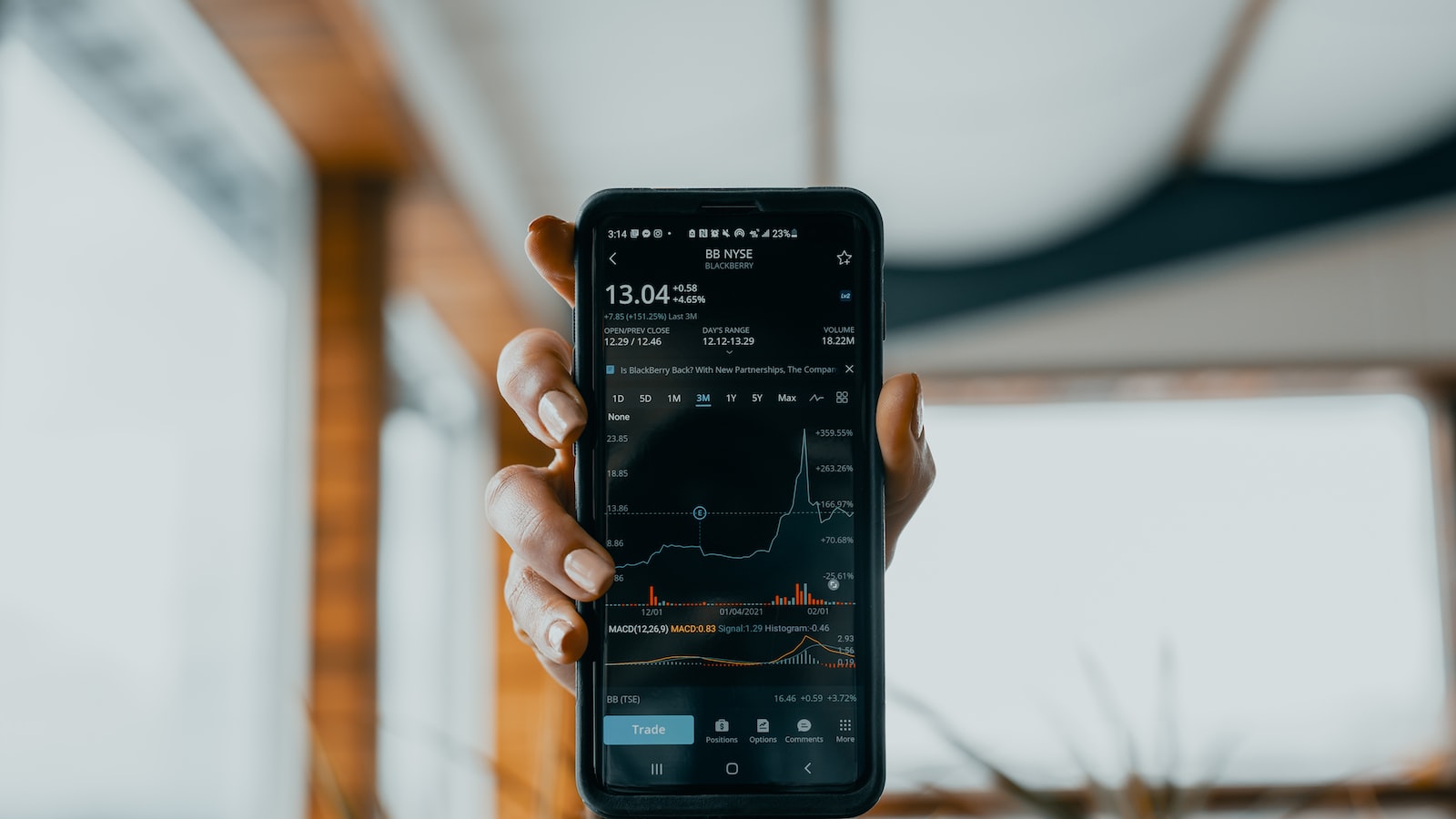
1. Robinhood Billion-Dollar Reversal: $600 Million Deal
Robinhood is still reeling from its December 2020 billion-dollar flip-flop with Citadel LLC and Melvin Capital. The company was reportedly ready to part with $600 million to settle its lawsuit with the two investment firms.
Background info
- The dispute arose from decisions made in the days after GameStop leveraged stocks soared to record heights
- Robinhood curtailed trading in the shares, arousing public outcry
- Citadel and Melvin Capital claimed financial losses due to the stock disruption
Deal Structure
- The two hedge funds would receive a combined $600 million in the settlement
- In return, Citdal would drop its lawsuit against Robinhood and the companies would enter into a strategic agreement
- Melvin Capital would receive $75 million of the total, along with a separate $2.75 billion injection from other parties
The lawsuits and resulting backlash had taken its toll on the online brokerage company. Robinhood had to spend $200 million, combined between legal and public relations costs, to address the issue.
2. Bankman-Fried Stake Return Home
Tom Bankman and Jeff Fried, both renowned entrepreneurs and angel investors, have returned home after their highly successful month-long business mission to the Far East. Throughout their trip they held dozens of meetings with local tech companies, invested in three startups, and established important strategic partnerships.
Throughout the mission, the two partners managed to identify groundbreaking technologies within the region and turn them into investment opportunities. They established several strategic relations with their investments that could help not only their businesses but the entire tech community.
Bankman and Fried have returned home carrying with them knowledge about the most innovative companies and ideas in the market. They are confident the results of their efforts will ensure the success of their investments and project future development in the tech industry.
3. Analysis of Reversal Deal
An analysis of a Reversal Deal requires a deep understanding of the underlying fundamentals of the transaction. This section will overview the key aspects to consider for such a deal.
- Structure: The structure of the deal is one of the most important aspects when considering a Reversal Deal. Depending on the goals of the parties and the underlying structure of the transaction, the deal can be significantly different in terms of the economic and legal considerations. It is important to ensure that both sides have their respective objectives met in the outcome.
- Taxes: When engaging in a Reversal Deal, the taxes that will be triggered is a major concern. Different tax rates can have an impact on each party’s profit or loss from the transaction.
- Risks: All financial transactions inherently carry a degree of risk. Reversal Deals are no different. It is important to understand the types of risks that could arise and ensure they are accounted for and minimized. This includes evaluating the risks from legal, economic and/or political events.
4. Impact of Reversal on Robinhood’s Market Position
The events of January 2021 will reverberate for years in the stock market, particularly for the Robinhood platform. This platform, which has perennially sat at the corner of an industry geared towards empowering retail trading, suffered a setback with the broker’s decision to restrict a handful of stocks deemed too volatile. This had a major impact on Robinhood’s relegation as one of the top app brokers.
The reversal quickly changed public perception of Robinhood as an inclusive, consumer-friendly trading app. Its long-term effects are still being revealed in fear-driven headlines and experts’ warnings. The net result has been a broad assumption that the platform is no longer a reliable, consumer-friendly destination for traders. The impact of this alone on market share could be substantial.
The changes also reduce the overall trading experience for users. Robinhood lacked emergency mortgages and robust leverage tools, and its reversal caused further limitations. Traders must now exercise caution when using the platform, particularly with margin trades and options. Aside from this, frequent and intermittent glitches have rendered it unreliable, further eroding its market position.
- The decision to limit stocks was a major blow to Robinhood’s reputation.
- The fallout of the reversal will be pervasive in the upcoming months.
- The user experience has been compromised without the right tools.
The decision by Bankman-Fried to re-invest money into Robinhood is yet another sign of the Silicon Valley-based firm’s strength despite weathering much financial difficulty in recent months. With its return investment, it is clear that Bankman-Fried remains committed to the success of the platform. As the details of the deal are slowly unveiled, investors will be eagerly watching the progress of the company.