
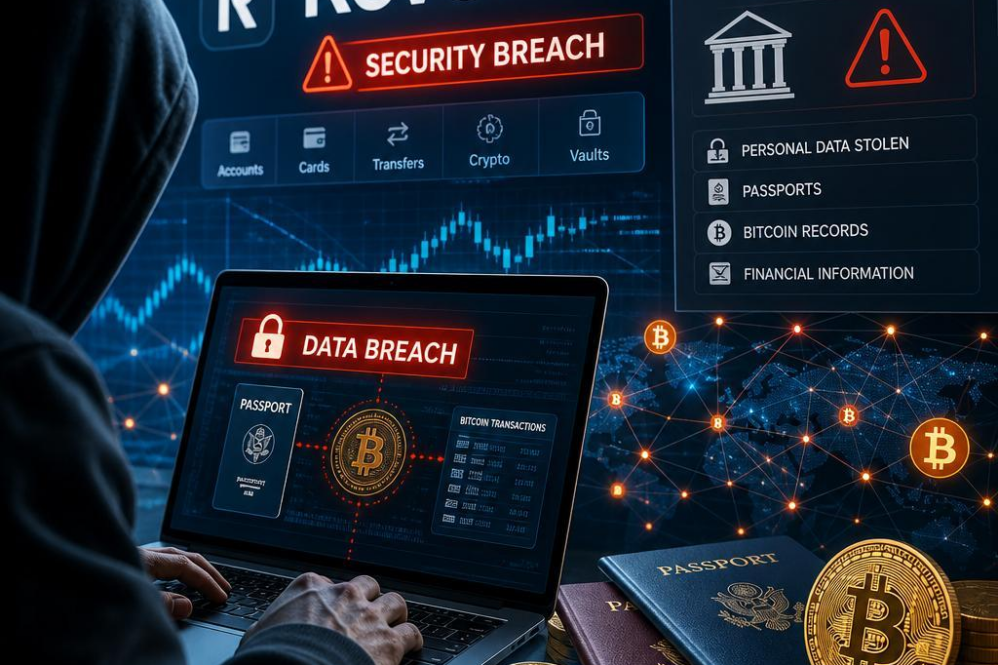
Revolut Data Leak Exposes Vulnerabilities in Customer Data Protection
The recent data breach at Revolut, a leading cryptocurrency and financial services provider, underscores the risks associated with centralizing large volumes of sensitive customer data. Financial institutions, particularly those in the blockchain and cryptocurrency sectors, are prime targets due to the high value of the data they manage. Initial reports indicate unauthorized access to user databases, prompting questions about the adequacy of Revolut’s security protocols.
Revolut users are naturally concerned about the extent of the breach and the potential weaknesses in the platform’s security framework. It is imperative for users to closely monitor their accounts and consider implementing additional security measures such as changing passwords and enabling two-factor authentication (2FA).
This incident could erode consumer confidence in both cryptocurrency platforms and traditional financial institutions. As the cryptocurrency market expands and becomes more mainstream, robust security measures are becoming increasingly critical. Industry players are likely to face heightened scrutiny regarding their data protection policies and practices, possibly leading to stricter regulatory oversight. Though, the full impact of the Revolut breach remains to be seen as investigations are ongoing.
Exploring the Impact of Bitcoin Transactions on the Digital Currency Landscape
As Bitcoin continues to evolve, it is indeed poised to undergo notable changes that could redefine its role in both traditional and emerging financial sectors. These developments suggest that Bitcoin may be on the brink of a transformative period, influencing its price and adoption rates. While the exact trajectory remains speculative, regulatory changes, technological advancements, and global economic trends provide valuable context.
Investors must stay informed about the nuances of these market signals,as they can considerably impact Bitcoin’s price and adoption. A growing acceptance of Bitcoin by mainstream financial institutions could enhance its legitimacy and drive adoption, potentially leading to a surge in value. Conversely, regulatory hurdles or technical challenges could impede its progress, affecting its stability and appeal.
User Guidelines Following Revolut’s Security Incident
The recent revelation of a security flaw at Revolut, a widely used financial app that supports cryptocurrency transactions, has prompted users to reassess their security practices. With the increasing reliance on digital wallets for storing and transferring cryptocurrencies, users must take immediate steps to enhance their personal security measures.This includes actively monitoring transaction histories, setting up multi-factor authentication (MFA) on all accounts, and regularly updating passwords.
Users should also ensure their software and applications are up to date with the latest security patches. Software updates often include fixes for newly discovered vulnerabilities, making them essential in the fight against cyber threats. Additionally, users should be cautious about sharing sensitive details, such as private keys, on chat platforms or social media, where they might be inadvertently exposed. Educating oneself about common phishing techniques and recognizing suspicious emails or messages is also crucial in maintaining a secure digital surroundings.
Diversifying one’s digital security approach can provide a buffer against potential threats. This might involve using hardware wallets, which are physical devices designed specifically for holding cryptocurrencies offline, separate from internet-connected devices. Hardware wallets are known for their high level of security and are considered a best practice for protecting significant amounts of cryptocurrency. However,it’s important to remember that no solution is entirely foolproof,and users should remain vigilant and informed about emerging threats and recommended practices within the cryptocurrency community.
The Perils of Sharing Sensitive Information with Questionable Authorities
Sharing sensitive data with authorities, especially those perceived as dubious or overreaching, poses significant risks to the privacy and security of cryptocurrency users. When individuals disclose their transaction histories or wallet information,they risk compromising the confidentiality of their financial activities. This can lead to identity theft, unauthorized access to funds, or even legal repercussions if the authorities misuse the shared data.
One of the primary concerns is the transparency issue inherent in cryptocurrency wallets. Unlike traditional banking systems that offer some degree of anonymity and protection, cryptocurrency transactions are recorded on a public ledger. While the identities behind wallet addresses are often obscured, sharing wallet details with suspicious entities can reveal more about a user’s financial activities than intended. This transparency can be misused to track spending patterns, financial holdings, and personal habits, potentially leading to broader privacy violations.
To mitigate these risks, users should approach any request for sensitive information critically and cautiously. It is essential to verify the legitimacy and necessity of requests from authorities by consulting legal advice and understanding the specific rights and protections offered in their jurisdiction.Users should explore privacy-enhancing technologies and practices, such as using wallets with built-in privacy features or engaging in transactions that adhere to strict privacy protocols. By being vigilant and informed, cryptocurrency users can better protect themselves against potential threats to their financial privacy.