
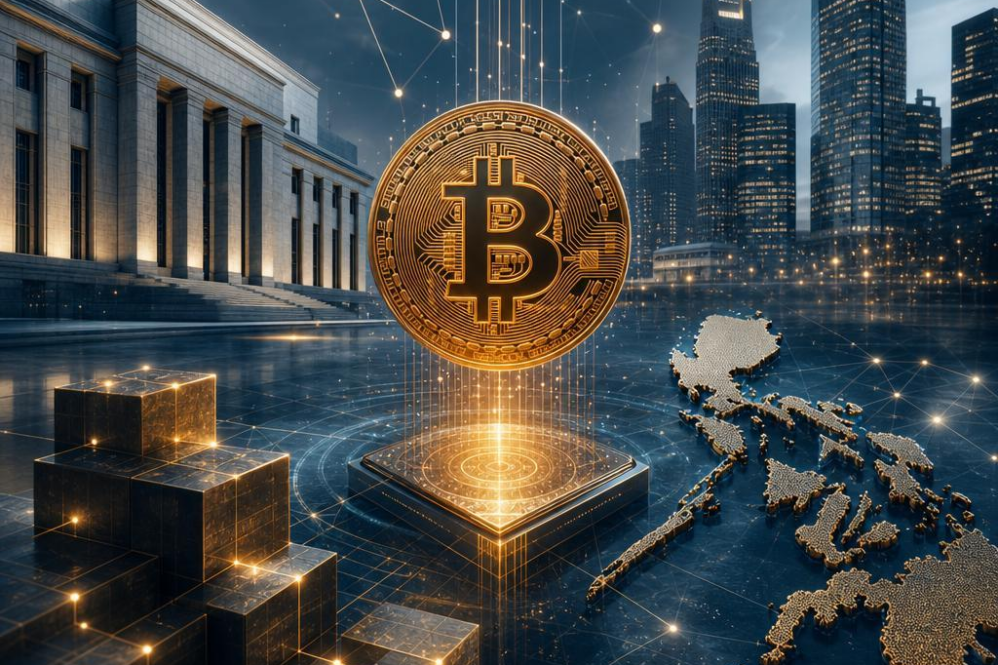
Philippine SEC’s Strategic Approach to Real World Asset Tokenization
The Philippine Securities and Exchange Commission (SEC) has adopted a measured and strategic approach towards the tokenization of real world assets (RWA). This approach reflects a recognition of the transformative potential that blockchain technology holds for traditional asset markets, particularly in enhancing liquidity, transparencyand accessibility. By establishing a regulatory framework that accommodates tokenized assets, the SEC aims to provide legal clarity and investor protection without undermining innovation. Such frameworks typically involve defining the legal status of tokenized assets, implementing compliance requirements aligned with existing securities lawsand ensuring that transactions on blockchain platforms meet regulatory standards.
While the regulatory surroundings is evolving, the SEC’s stance underscores the importance of balancing innovation with risk management. The tokenization of real world assets-such as real estate, commodities, or equities-can open new pathways for capital formation and investment diversification. Though, the nascent nature of these technologies and markets presents challenges, including issues related to custody, valuationand market manipulation. The commission’s ongoing efforts suggest a focus on developing policies that support technological adoption while addressing these operational and legal complexities, ultimately fostering a safer ecosystem for investors and market participants in the Philippines.
Regulatory Framework and Compliance Guidelines for RWA Tokenization in the Philippines
The regulatory framework governing Real World Asset (RWA) tokenization in the Philippines is shaped by existing financial laws and directives from key government agencies, including the Securities and Exchange Commission (SEC) and the Bangko Sentral ng Pilipinas (BSP). These bodies provide guidelines to ensure that tokenized assets comply with securities regulations, anti-money laundering (AML) standardsand investor protection measures. While the concept of tokenizing physical or financial assets onto blockchain technology introduces new complexities, the regulatory emphasis remains on clarity regarding classification, registration requirementsand licensing for entities issuing or facilitating such tokens.
Compliance guidelines necessitate that market participants engaging in RWA tokenization implement robust due diligence and transparency protocols. These requirements aim to mitigate risks related to fraud, misrepresentation, and legal ambiguities concerning ownership rights represented by tokens. However, as the technology and market infrastructure evolve, regulators continue to assess the adequacy of current frameworks in addressing the unique characteristics of blockchain-based asset representation. This ongoing evaluation reflects the balance between fostering innovation in digital asset applications and maintaining the integrity of the Philippine financial ecosystem.
Best Practices and Recommendations for Market participants Embracing RWA Tokenization
Market participants engaging with Real World Asset (RWA) tokenization should prioritize due diligence to ensure transparency and accuracy in asset representation. RWA tokenization involves converting physical or traditional financial assets into digital tokens recorded on a blockchain,allowing for increased liquidity and accessibility. However, comprehensive verification of the underlying assets is essential, as the reliability of tokenized representations directly impacts investor confidence and regulatory compliance. Furthermore, adherence to evolving legal frameworks and standards concerning asset custody and data security is critical to mitigate operational and legal risks associated with tokenized assets.
operational infrastructure supporting RWA tokenization requires robust technological frameworks capable of handling the complexities of asset transfer, valuationand governance. Maintaining interoperability between blockchain platforms and existing financial systems facilitates smoother integration and enhances market participation. Additionally, establishing clear protocols for asset auditing and real-time monitoring can strengthen market integrity and protect against discrepancies. While tokenization can improve market efficiency, participants should recognise limitations such as market liquidity constraints and potential regulatory uncertainties, necessitating cautious and informed engagement with this emerging asset class.


