

| Response Time | Lag in responding to incidents | Instantaneous detection and reaction to threats |
| Scalability | Difficulties in handling large datasets | Efficient management and processing of extensive data volumes |
| Customization | One-size-fits-all solutions for varied threats | Personalized strategies based on unique threat profiles |
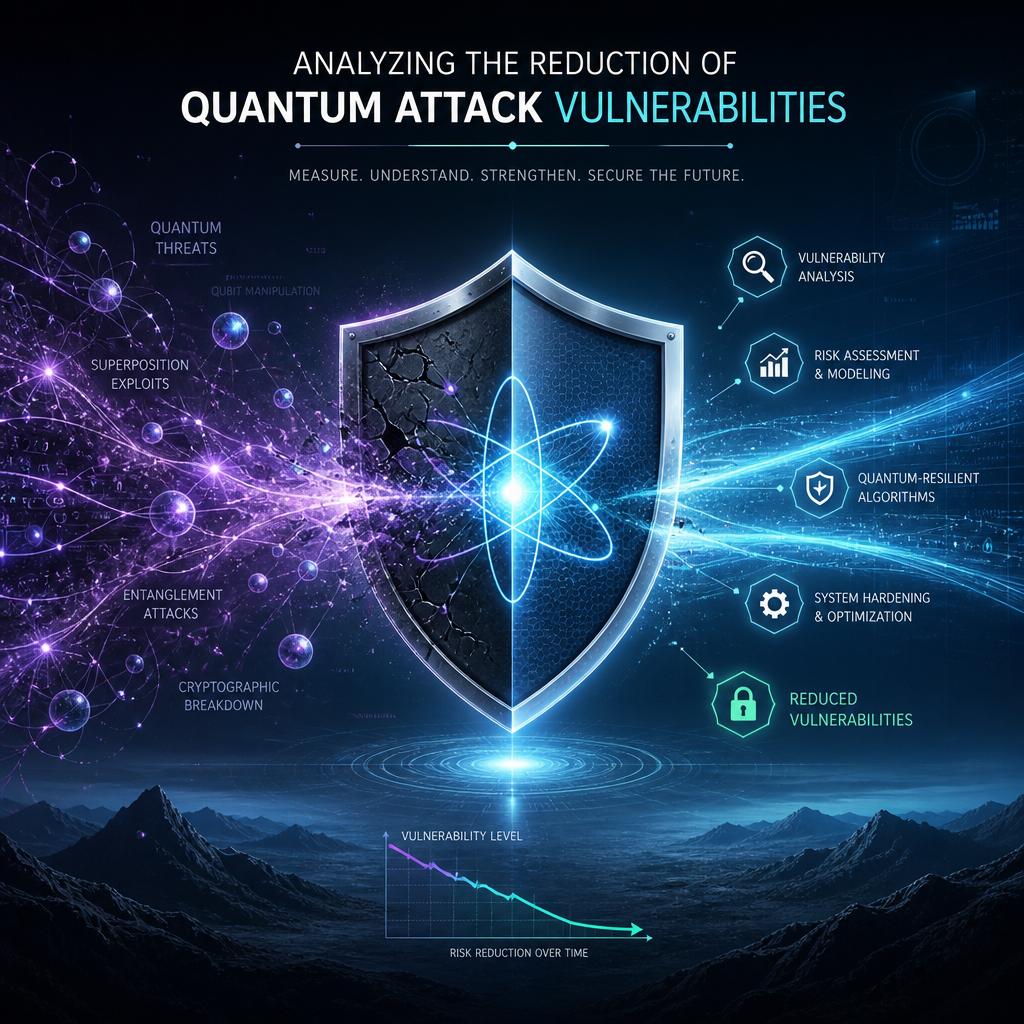
Evaluating Quantum Attack Vulnerabilities in Bitcoin
Recent breakthroughs in artificial intelligence have demonstrated notable potential in enhancing the security of cryptocurrencies such as Bitcoin against quantum computing threats. AI-driven systems are now capable of identifying and neutralizing vulnerabilities at a pace far superior to traditional methods, thereby reducing the risk of quantum attacks. This advancement is particularly evident in the context of Bitcoin, where AI solutions have made considerable strides in bolstering security measures.
To fully grasp the impact of these advancements, let’s delve deeper into the specifics. Traditional security measures often struggle to keep pace with the rapid computational capabilities of quantum computers. In contrast, AI systems excel at analyzing vast datasets and simulating potential attack scenarios, enabling them to predict and mitigate threats proactively. Here are some key areas where AI outperforms conventional methods:
AI systems continuously monitor network activities, detecting patterns that may indicate a quantum attack.They can process and analyze data at unprecedented speeds, which is crucial for large-scale networks like Bitcoin. Additionally, AI’s capacity to learn and evolve over time means it can adapt to new types of threats without the need for manual updates.This transition towards an AI-driven approach to cybersecurity is not only vital for maintaining the integrity of Bitcoin but also sets a precedent for securing future blockchain technologies against quantum threats.
Strategic Implications for Blockchain Technology
The reduction in the time required for quantum computers to break Bitcoin’s cryptographic defenses is more than just a technical achievement; it is driving the blockchain ecosystem to explore beyond classical cryptography. Developers and researchers are now focusing on integrating advanced cryptographic methods to ensure the network’s resilience against quantum attacks. This urgency is shifting the focus from theoretical discussions to practical implementations.
With this shift, blockchain projects must prioritize research and development into quantum-resistant technologies. This involves evaluating current security measures, exploring new cryptographic techniques, and enhancing governance frameworks to support these changes. A proactive approach is essential to maintain the integrity and trust of blockchain networks. Below is a strategic roadmap for such initiatives.
| Priority | Action | Timeline |
|---|---|---|
| High | Assess existing cryptographic methods | 2-4 weeks |
| Moderate | Explore quantum-resistant solutions | 1-2 months |
| High | Implement new algorithms | 6-12 months |
Recommendations for AI Integration in Cryptocurrency Security
Integrating AI into cryptocurrency security systems requires a strategic approach that emphasizes security, efficiency, and adaptability. By enhancing traditional monitoring and defense mechanisms with AI, you can significantly reduce response times and the likelihood of successful attacks. AI agents learn from patterns and anomalies in transaction data, identifying potential threats before they materialize. This proactive stance not only mitigates risks but also provides a clearer understanding of overall network health and performance.
To effectively embed AI, start with a robust initial setup. Ensure your AI system has access to past data and ongoing transaction logs. This data serves as the foundation for machine learning algorithms to detect and respond to threats. Consider a phased deployment where AI systems are tested in isolation before being incorporated into live operations. This approach minimizes disruptions and allows for iterative improvements based on real-world feedback.
| Phase | Objective |
|---|---|
| Pilot | Test AI integration in a controlled environment |
| Rollout | Expand AI deployment to parts of the network |
| Maturity | Full network coverage with continuous monitoring and adaptability |
Following the pilot phase, continuous training and refinement of AI models are crucial. By regularly updating your AI with new data, you can adapt to evolving threat landscapes and emerging attack patterns. This ongoing process ensures that your defense systems remain one step ahead of potential attackers.