
In a significant growth for teh cryptocurrency space,MetaMask,the widely used digital wallet and Ethereum-based platform,has announced an upcoming collaboration with Mastercard to launch a self-custody crypto debit card. This innovative card aims to empower users by allowing them to transact seamlessly with their crypto assets while retaining full control over their private keys. As the demand for accessible and secure crypto transactions continues to grow, this partnership marks a pivotal moment in bridging customary finance with the evolving digital currency landscape.with the card set to cater to a broad audience of both seasoned and novice cryptocurrency enthusiasts,the collaboration underscores the ongoing efforts to mainstream blockchain technology and enhance user autonomy in the digital finance realm.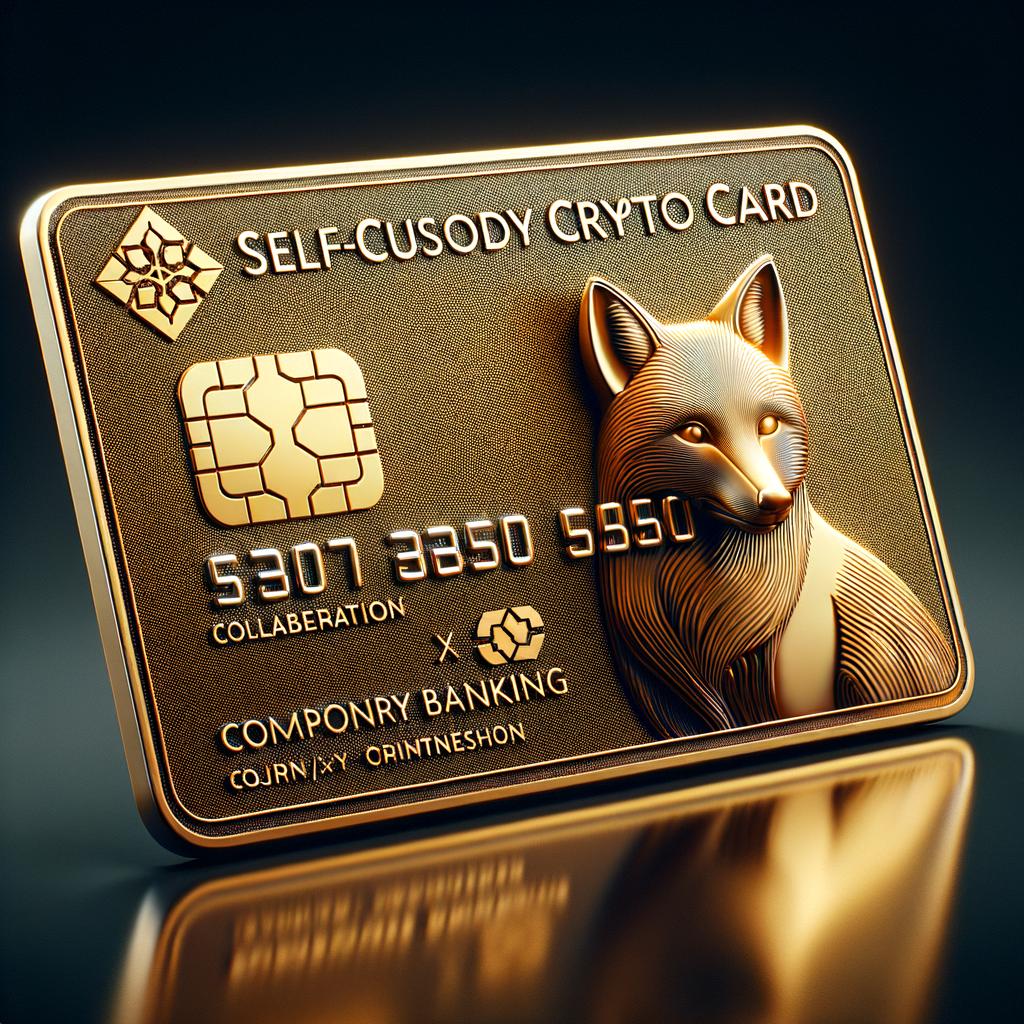
MetaMask Partners with Mastercard to Introduce Self-custody Crypto Card
MetaMask, a leading Ethereum wallet and gateway to decentralized finance, has partnered with Mastercard to unveil a groundbreaking self-custody crypto card. This innovative financial product allows users to retain control of their digital assets while facilitating everyday spending. The card is designed to bridge the gap between traditional finance and the burgeoning world of cryptocurrency, enabling seamless transactions at millions of merchants worldwide.
The self-custody model ensures that users maintain ownership of their funds until a purchase is made, significantly enhancing security and user confidence. Key features of the new crypto card include:
- Security: By allowing users to hold their crypto until the transaction point, this card reduces exposure to potential fraud and security breaches common in traditional banking.
- Convenience: Users can make purchases wherever Mastercard is accepted,integrating digital assets into daily spending without sacrificing control over their funds.
- Support for Disputes: The card offers Mastercard’s robust dispute management process, providing users greater protection and the option to address transaction issues effectively.
This partnership marks a significant step in the evolution of financial services,empowering consumers to harness the advantages of cryptocurrency while benefiting from the familiar infrastructure of traditional payment systems. As cryptocurrency adoption continues to rise, such initiatives are likely to play a crucial role in shaping a more integrated and user-pleasant financial landscape.
MetaMask’s collaboration with Mastercard represents a pivotal moment in the industry, illustrating the potential for innovation that respects users’ autonomy. By merging self-custody principles with established payment networks, this development could redefine the future of spending, positioning cryptocurrency as a viable alternative for everyday transactions.
A New Era of Financial Independence: How the MetaMask Card Works
The MetaMask Card represents a significant evolution in the realm of decentralized finance, providing users with a seamless means to access and manage their digital assets. As a bridge between traditional finance and blockchain technology, the card allows users to transact using cryptocurrencies with the ease of a conventional debit card. This innovation is particularly beneficial for individuals seeking greater financial independence through the power of digital currencies.
Functioning within the metamask ecosystem, the card integrates directly with users’ wallets. This integration enables a variety of functionalities, including:
- Instant Transactions: Users can make immediate purchases at merchants that accept Visa, leveraging their cryptocurrency holdings in real-time.
- Flexible funding: The card can be funded with multiple cryptocurrencies,accommodating a diverse range of digital assets.
- Security Features: With built-in security protocols, the MetaMask Card prioritizes user safety, incorporating biometric authentication and fraud protection measures.
The MetaMask Card also prioritizes ease of use, allowing users to manage their assets through a user-friendly mobile submission. This app provides valuable resources, including real-time market data and transaction history, enabling users to make informed financial decisions. Furthermore, the card’s compatibility with decentralized applications (dApps) enhances the user experience by allowing direct interaction with blockchain services without the need for intermediary platforms.
As financial trends continue to shift toward digital solutions, the MetaMask Card positions itself as a vital tool for those aspiring to reclaim control over their financial destinies. by streamlining access to crypto assets and traditional spending avenues, the card exemplifies how digital innovations can foster financial independence in an increasingly interconnected economy.
Security and Convenience: the Advantages of Self-Custody in Crypto Transactions
Self-custody in cryptocurrency transactions offers a unique balance of security and convenience that is often absent in traditional financial systems. One of the primary advantages of managing your own digital assets is the significant reduction in reliance on third parties. By holding your private keys, you are not dependent on exchanges or custodial wallets that can be vulnerable to hacks or regulatory issues. This independence ensures that you maintain full control over your assets, a crucial aspect in an era marked by increasing cybersecurity threats.
Another notable benefit is the ability to execute transactions at your convenience without intermediaries.users can send and receive Bitcoin directly, facilitating near-instantaneous transaction times that are not encumbered by banking hours or holiday delays. This swift processing allows for enhanced flexibility in managing assets, particularly in volatile markets where timing can significantly affect investment outcomes. Moreover, self-custody can lead to lower transaction fees compared to those typically charged by exchanges and custodial services.
However, while self-custody promotes security through direct ownership, it also demands diligence from the user. The responsibility of safeguarding private keys lies entirely with the individual, necessitating proper security measures to prevent theft or loss. Adopting a diversified storage strategy—using hardware wallets,secure backups,and multi-signature setups—can mitigate potential risks. Understanding these security measures is essential for anyone venturing into the cryptocurrency space, as the consequences of mismanagement can be dire.
the advantages of self-custody extend beyond mere asset ownership; they embody the principles of security and autonomy embedded within the cryptocurrency ethos. By embracing this approach, users not only protect their wealth but also contribute to the decentralized financial infrastructure that Bitcoin advocates. As the landscape continues to evolve, self-custody remains a crucial tool for both new and experienced investors alike.
Implications for the Future of Cryptocurrency and Consumer Spending
the increasing integration of cryptocurrencies into the mainstream financial system is reshaping consumer spending behaviors and expectations. As digital assets gain acceptance, traditional payment methods may face significant competition, prompting businesses to adapt their strategies to remain relevant. This evolution is likely to result in several key trends:
- Increased Convenience: Cryptocurrencies offer a seamless transactional capability that can reduce transaction times and fees, giving consumers an alternative to conventional banking systems.
- Enhanced security: With blockchain technology enhancing transparency and reducing fraud, consumers may feel more secure utilizing digital currencies for their purchases.
- Broader Accessibility: As mobile wallets and cryptocurrency exchanges become more user-friendly, previously unbanked populations may enter the market, expanding the consumer base for digital transactions.
Furthermore, the volatility of cryptocurrencies could lead to new challenges and opportunities in consumer spending. fluctuations in cryptocurrency value may encourage individuals to spend their digital assets more readily while prices are high, thus promoting a more opportunistic spending behavior. On the flip side, retailers must be prepared to manage the risks associated with accepting these assets, as the value can change dramatically within short periods.
- Dynamic Pricing Models: Retailers may adopt pricing strategies that reflect cryptocurrency valuations, thereby allowing for flexible pricing that can attract consumers looking to capitalize on favorable market conditions.
- Incentive structures: Businesses might introduce loyalty programs or discounts for cryptocurrency transactions, thereby incentivizing consumers to spend in ways that benefit both parties.
As we look ahead, the interaction between cryptocurrency usage and consumer spending behaviors underlines a critical shift in how transactions are conducted. The necessity for businesses to remain agile and informed will be paramount, as both consumer preferences and technological advancements continue to evolve. Ensuring a balance between innovation and risk management will be essential for leveraging the potential of cryptocurrencies in the global economy.
the upcoming launch of the self-custody crypto card by MetaMask in collaboration with Mastercard marks a significant advancement in the integration of cryptocurrency into everyday financial transactions. This innovative card empowers users to maintain control over their digital assets, aligning with the growing demand for security and autonomy in the management of cryptocurrencies. As the landscape of digital finance continues to evolve, this partnership underscores the importance of user-centric solutions that prioritize both accessibility and security. Stakeholders and enthusiasts alike will be keen to observe the impact of this development on the market and the broader adoption of crypto in mainstream financial systems. As the future of finance unfolds, innovations such as the MetaMask card may pave the way for a more decentralized and user-empowered financial surroundings.