
—
Exploring the Impact of CPI Data on Cryptocurrency Markets
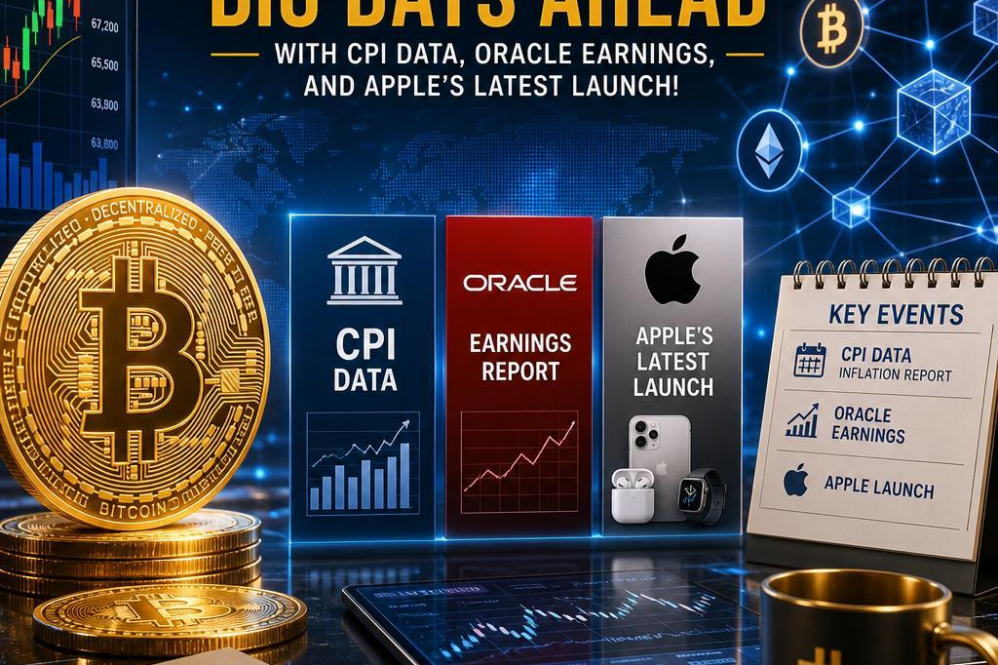
The Consumer Price Index (CPI) is a pivotal economic indicator that considerably influences market trends across various sectors, including the cryptocurrency market. It measures the average change in prices paid by urban consumers for a basket of goods and services. For cryptocurrency investors and analysts, understanding CPI data is essential as it provides insights into inflation rates and broader economic conditions, which can impact market stability and investor sentiment.
An increase in CPI often signals higher inflation, prompting central banks to consider raising interest rates to control inflationary pressures. These monetary policy adjustments can have ripple effects throughout financial markets, including the cryptocurrency market, leading to increased volatility. While cryptocurrencies are sometimes viewed as a hedge against inflation, the reality is more nuanced. High inflation and policy responses can affect the adoption and valuation of cryptocurrencies differently, depending on their nature-stablecoins versus volatile altcoins, for example. Investors need to grasp these nuances to navigate market changes effectively.
While CPI data is crucial, it is just one piece of the puzzle.Other factors, such as technological advancements, regulatory changes, and global economic events, also significantly shape cryptocurrency market trends. During periods of high uncertainty,cryptocurrencies frequently enough correlate strongly with equity markets,complicating the relationship between CPI and crypto market performance. A complete approach that considers multiple economic and market indicators is essential for a well-rounded understanding and strategic engagement with the cryptocurrency market.
Deciphering Market Trends in Bitcoin’s New Era
Bitcoin’s journey into a new era necessitates a keen focus on market trends and opportunities. The cryptocurrency’s path is marked by volatility and innovation, making it essential for investors to stay informed and adapt to changing conditions. As Bitcoin matures and interacts more with conventional financial instruments,understanding its current phase is crucial for both seasoned traders and newcomers.
Unveiling market trends involves analyzing various data points, such as transaction volumes, wallet activity, and price movements. These metrics provide insights into the behavior of market participants, from retail investors to institutional players and technical analysts. By tracking these trends, investors can better anticipate shifts in market sentiment and adjust their strategies accordingly. However, it’s critically vital to approach these trends critically, as they can be influenced by rapid changes and external factors like regulatory developments or macroeconomic shifts.
To seize opportunities in the Bitcoin market, a combination of technical analysis and a broad understanding of the economic landscape is key. While technical indicators can predict short-term price movements, understanding the broader economic context is essential for long-term success. For instance, the adoption of Bitcoin by more businesses and financial institutions could drive further growth and acceptance. This context highlights the importance of diversification, as no single strategy or asset can guarantee success in such a volatile environment. By staying informed and adaptable, investors can navigate the complexities of Bitcoin’s evolving landscape and potentially capitalize on its future trajectory.
Strategic Insights into Apple’s Cryptocurrency Integration
Apple’s upcoming product launch is expected to be a notable event for the technology sector and the broader cryptocurrency and blockchain communities. As a leader in innovation, industry observers are eager to see how Apple integrates blockchain and digital currency functionalities into its next products. The recent surge in interest around central bank digital currencies (CBDCs) and the progress of decentralized finance (DeFi) applications adds another layer of complexity to the potential implications of Apple’s move.
From a strategic viewpoint, Apple’s move could be seen as a response to the growing demand for secure, scalable, and user-pleasant financial solutions on mobile devices. With the rise of mobile payments and the sophistication of smart contract platforms, integrating blockchain technology into its devices could provide Apple with a significant competitive edge. This aligns with global trends towards digital currencies as central banks and fintech companies explore the benefits of CBDCs.
However, the impact of Apple’s approach will also depend on regulatory frameworks and consumer acceptance. As the cryptocurrency space remains largely unregulated in many jurisdictions, the introduction of mainstream tech giants like Apple could prompt policymakers to address these gaps more urgently. For consumers, the integration of blockchain and digital currency features could offer more secure and efficient ways to manage digital assets, but it could also introduce new challenges related to privacy and security. Consequently,Apple’s role in shaping the future of digital finance in a user-friendly manner will be closely watched by both enthusiasts and critics.
—