

In a groundbreaking advance for microbiological research, scientists have unveiled detailed insights into the ultrastructural topology of the corynebacterial cell surface. This notable study not only sheds light on the architectural complexity of these bacteria, which are known for their unique rod-shaped morphology and play critical roles in various ecosystems and human health, but also opens new avenues for understanding bacterial behavior and interactions. By meticulously mapping the intricate surface structures, researchers aim to provide a deeper understanding of how these organisms adapt and thrive in diverse environments. This pioneering work holds the potential to inform future therapeutic strategies and enhance our grasp of microbial dynamics in both natural and clinical settings.
Examining the Unique Topological Features of the Corynebacterial Cell Surface
the corynebacterial cell surface exhibits a fascinating array of unique topological characteristics that set these bacteria apart from other prokaryotes. One prominent feature is the presence of prominent surface structures,including the characteristic
- pseudomycotic structures
- glycocalyx layers
- mycolic acid-rich cell wall
which collectively contribute to the cell’s ability to withstand harsh environmental conditions.Advanced imaging techniques, such as scanning electron microscopy (SEM), reveal the intricate patterns and textures that these surfaces present, providing researchers with insights into their biological function and interaction with host organisms.
Additionally,the distribution of specific adhesion proteins plays a critical role in the pathogenicity of corynebacteria. These proteins are key in facilitating host cell attachment and can be categorized into various classes, including:
| Type | function |
|---|---|
| AdhE | Facilitates adherence to epithelial cells |
| CnaA | Promotes biofilm formation |
| PloA | Enhances virulence factor secretion |
These features not only underscore the corynebacterial cell surface’s complexity but also hint at the evolutionary adaptations that allow these microorganisms to thrive in diverse environments.
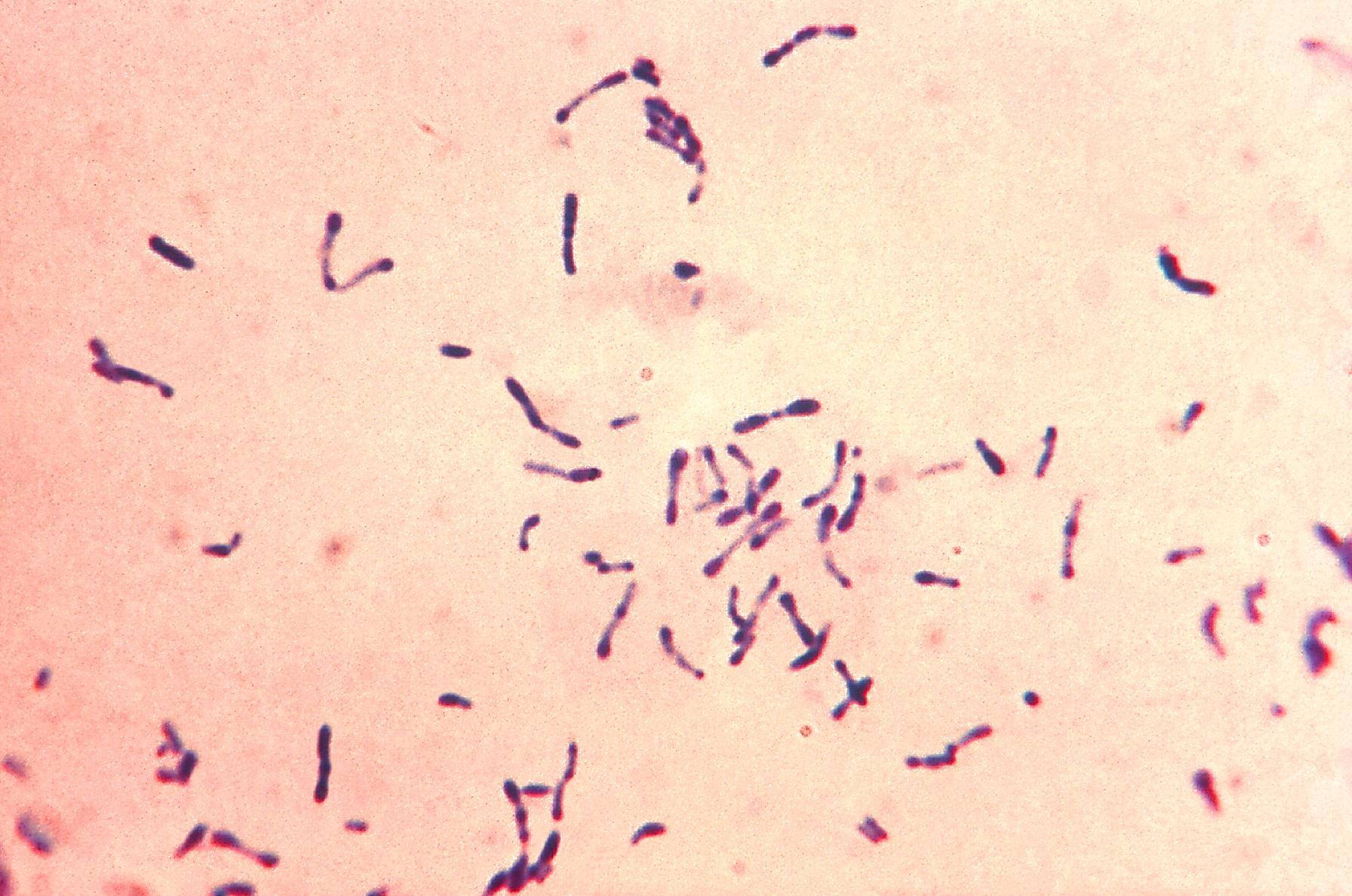
Insights into the Implications of Corynebacterial Ultrastructure for Antibiotic Development
The intricate ultrastructure of corynebacterial cell surfaces presents a wealth of insights that could significantly influence the field of antibiotic development.Recent studies have unveiled that the unique topological arrangements of these bacteria contribute to their resistance mechanisms, hindering the effectiveness of traditional antibiotics. Understanding the layered architecture of the corynebacterial cell wall could pave the way for the design of novel therapeutic strategies that specifically target these structures. This could lead to the identification of new drug targets and the enhancement of existing antibiotics, making them more effective against corynebacterial infections.
Moreover, detailed mapping of the corynebacterial surface topology provides critical data that support the development of innovative delivery systems for antibiotics. By gauging how these bacteria interact with their habitat and host immune responses, researchers can better design molecules that can penetrate these formidable defenses. Highlighting the comparative advantages, we see potential pathways for improving antibiotic efficacy:
| Advantage | Description |
|---|---|
| selective Targeting | Focused antibiotics designed to interrupt corynebacterial growth without affecting beneficial flora. |
| Resistance Overcoming | Modification of antibiotics to counteract specific resistance mechanisms identified in corynebacteria. |
| Synergistic Approaches | Combination therapies that utilize corynebacterial structural insights to enhance treatment outcomes. |
To Conclude
As our exploration into the ultrastructural topology of the corynebacterial cell surface comes to a close, it is indeed clear that this research unveils significant insights into the complex architecture of these frequently enough-overlooked bacteria. Understanding the intricate details of their cell surface is not just a matter of academic curiosity; it has profound implications for fields such as microbiology, medicine, and biotechnology. As scientists continue to map the features and functions of corynebacteria, we stand on the brink of new discoveries that could impact the development of antibiotics and other therapeutic strategies. Stay informed as we continue to track the progress in this fascinating area of study, where the secrets of life at the microscopic level are gradually being unlocked. For more updates and in-depth coverage, visit us at The Microbial Research Chronicle.
