
in the heart of Milan, the latest exhibition by renowned artist Diane Dal-Pra unveils captivating insights into the interplay between space and emotion. Titled “Many Rooms with No Room for Emptiness,” this thoght-provoking showcase invites viewers to explore the intricacies of human experience within environments crafted to evoke both intimacy and contemplation. Each installation features a carefully curated arrangement of objects and settings that challenge customary perceptions of emptiness and fullness. As visitors navigate through the various ‘rooms,’ they are encouraged to reflect on their own encounters with space, memory, and presence. This article delves into the artistic vision behind Dal-Pra’s work, highlighting how her innovative approach transcends mere aesthetics to provoke deeper conversations about the psychological dimensions of space in contemporary art.
exploring the Concept of space in Diane Dal-Pra’s Milan Installation
Diane Dal-Pra’s Milan installation offers a profound exploration of spatial dynamics, where the absence of traditional boundaries invites viewers to reconsider their relationship with space. Utilizing a combination of light, shadow, and innovative materials, the installation evokes a sense of both confinement and liberation. Visitors are encouraged to engage with the space through their movements, making every step a part of the experience. The interplay of elements is designed to blur the lines between the physical and the ethereal,creating an environment that feels simultaneously open and enclosed.
key features of the installation include:
- Interactive Elements: Areas that shift with visitor interaction, challenging perceptions of permanence.
- Layered Textures: A variety of materials that respond to light, altering the ambiance based on time of day.
- Soundscapes: Subtle audio components that enhance the spatial experience, drawing attention to the nuances of silence and sound.
This conceptualization of space ultimately encourages reflection on the nature of emptiness and the psychological impacts of our surroundings, allowing a dialog between the individual and the communal.

Balancing Density and Minimalism in Artful Environments
In the vibrant locale of Milan, Diane Dal-Pra’s latest project intriguingly explores the interplay between density and minimalism. Each room is crafted with a keen attention to detail, showcasing a thoughtful curation of elements that invite interaction while eschewing overwhelming clutter. The concept of “no room for emptiness” translates into dynamic arrangements where every piece serves a purpose, yet the overall feel remains open and inviting.Visitors are often surprised by how a delicate balance can create environments that are both stimulating and serene, urging them to experience space in a new light.
To illustrate this approach, consider the various elements employed throughout the rooms:
| element | Purpose |
|---|---|
| Furniture | Fosters interaction and comfort |
| Artwork | Creates focal points without overcrowding |
| Textiles | Add warmth and texture |
| Lighting | Enhances mood and highlights features |
Through this meticulous blend of density and spaciousness, Dal-Pra not only redefines the notion of modern living but also challenges perceptions regarding what constitutes emptiness. The experience in her rooms offers each visitor a moment of reflection, suggesting that even within a densely populated space, one can find a sense of peace and serenity, harmonizing the practical with the aesthetic in truly inspiring ways.
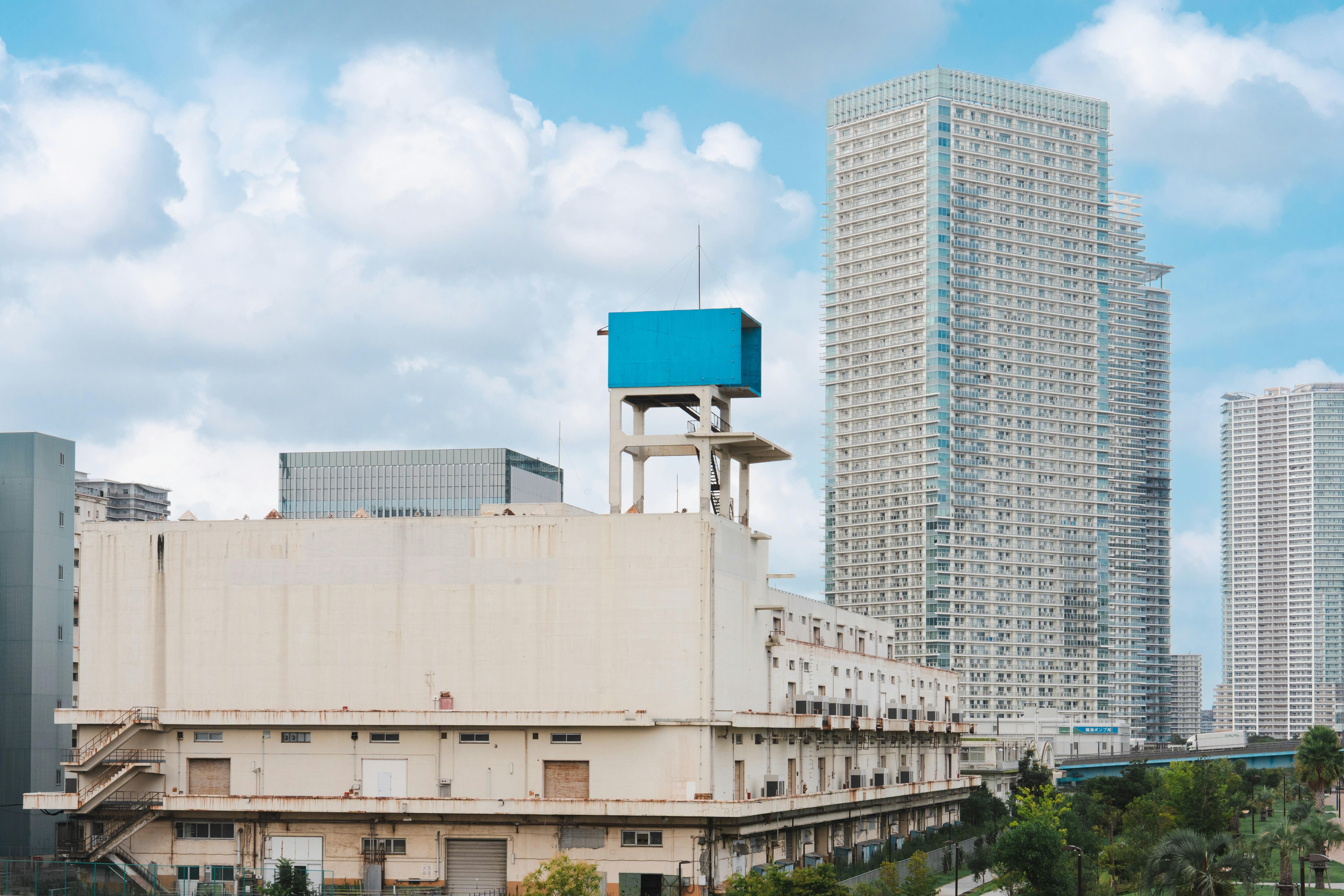
Reimagining Urban Living: Insights from “No Room for Emptiness
The exhibition “No Room for Emptiness,” curated by Diane Dal-pra in milan, challenges conventional notions of urban living through a thought-provoking arrangement of spaces that blend functionality with artistry.This immersive display speaks to the essence of modern life, where every square meter is precious and the absence of emptiness becomes a powerful statement. Visitors are encouraged to engage with multi-functional installations that provoke reflection on how we inhabit our cities today. Key themes highlighted include:
- Optimization of Space: Showcasing innovative designs that maximize utility without sacrificing aesthetics.
- Community Interaction: Fostering connections among residents through communal spaces that break down barriers.
- Enduring Living: Integrating eco-pleasant materials and practices into daily urban routines.
Central to the exhibition is a series of collaborative projects featuring local artists and designers, each interpreting the concept of ‘emptiness’ in unique ways. this collaborative spirit not only highlights Milan’s rich cultural fabric but also offers a blueprint for future urban developments.By prioritizing versatility and interconnectedness within living spaces, “No Room for Emptiness” advocates for a reimagined urban experience where every room serves a purpose, contributing to a vibrant city life. Attendees can explore:
| Project | Artist/Designer | Concept |
|---|---|---|
| Modular Living | laura S. | Spaces that adapt to user needs. |
| Artful Gardens | Marco G. | Bringing nature into urban life. |
| Interactive Community Hub | Elena R. | A shared space for socialization and arts. |
Concluding Remarks
As “Many Rooms with ‘no Room for Emptiness'” concludes its impactful exhibition in Milan,attendees are left to ponder the profound interrogation of space and existence presented by artist Diane Dal-Pra. The work challenges traditional perceptions of emptiness, inviting a dialogue on the importance of what fills our environments—both physically and metaphorically. As the city continues to resonate with the themes explored, Dal-Pra’s artistry not only enhances the cultural fabric of Milan but also encourages a wider reflection on the essence of our personal and shared spaces. With the exhibition’s closing, the dialogue initiated will undoubtedly linger, urging audiences to consider how the absence or presence of elements within a room can inform their understanding of identity, community, and belonging.