
In a gripping exploration of monarchy and politics, “James VI and I: Spinning the English Succession” delves into the intricate and frequently enough tumultuous journey of one of history’s most significant rulers.As the first monarch to reign over both England and Scotland, James’s ascension was not merely a matter of lineage but a complex interplay of diplomacy, ambition, and the quest for unification. This article examines the pivotal decisions and strategic maneuvers that shaped his reign and set the stage for a new era in British history. Join us as we unravel the threads of dynastic intrigue that defined James’s legacy and forever altered the landscape of the English crown.
Understanding the Political Landscape of Elizabethan Succession
The Elizabethan era, marked by the reign of Queen Elizabeth I, culminated in a power vacuum following her death in 1603. As the last of the Tudor dynasty, Elizabeth left behind a complex succession crisis that was steeped in political intrigue and religious discord. The question of succession was not merely about bloodlines; it was intertwined with the nation’s stability and the delicate balance of power between Catholics and Protestants. Elizabeth’s reluctance to marry and produce an heir added layers of uncertainty,forcing potential claimants to the throne into the spotlight,each hoping to sway public and political opinion in their favor.
At the center of the ensuing debate stood James VI of Scotland, a figure who woudl ultimately ascend to the English throne as James I. His claim was based not only on blood descent, being a great-grandson of Henry VII, but also on his ability to present himself as a unifying force for both England and Scotland. The political machinations surrounding James’s ascension included negotiations, alliances, and the strategic use of propaganda. His supporters worked tirelessly to highlight his legitimacy and the advantages of a peaceful transition, thus sidelining rival factions and their claims, notably those of the Catholic earls and other potential contenders.
The implications of this transition where profound, as James aimed to establish a reign characterized by stability and religious tolerance. However, the initial optimism was quickly clouded by skepticism regarding his ability to govern england effectively. Political factions quickly emerged, including those who favored the old Catholic order, while others rallied behind a more Puritanical vision for England’s future. In navigating these waters, James’s leadership would be tested, revealing a landscape rich in conflict yet ripe for the establishment of a new English identity under a king who viewed himself as both a monarch and a diplomat in a changing world.
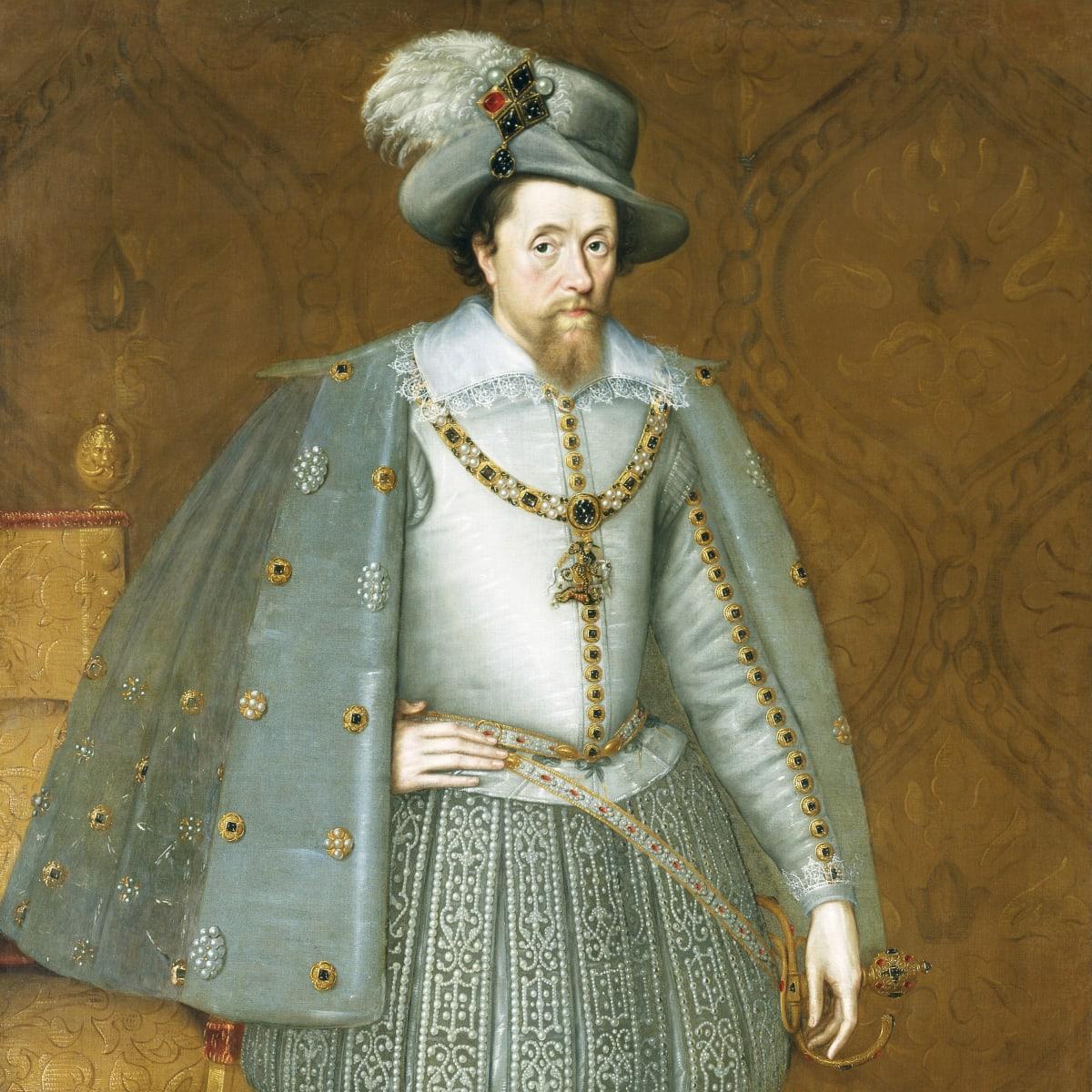
James VI and I: Navigating the Dynastic Challenges
James VI and I faced a complex tapestry of dynastic challenges as he transitioned from ruling Scotland to becoming the king of England. the unification of the two crowns in 1603 was a revolutionary moment, yet it also came with its own set of complications. The struggle for legitimacy from both Scottish and English factions posed a continuous threat. Key factors influencing his reign included:
- Competing claims to the throne
- Religious tensions between Catholics and Protestants
- Political maneuvering among nobility
As he navigated these challenges,James adopted a strategic approach to solidify his position.By promoting the idea of royal authority drawing from both Scottish and English heritage,he aimed to create a robust identity as the ruler of both nations. This was evident in his efforts to strengthen legal frameworks and patronage systems that linked loyalists across borders. His political acumen also involved carefully balancing Scottish interests with English concerns, thereby establishing a sense of unity that, while fragile, was vital for peace.
| Challenge | Response |
|---|---|
| Religious Division | Promotion of tolerance and the Church of England |
| Noble Rivalries | strategic alliances and patronage |
| Legitimacy Issues | Reinforcement of royal lineage through communication |
Ultimately, James VI and I’s reign was a delicate balancing act that required continual adaptation to the shifting political landscape. His legacy as a uniter and a controversial figure remains a focal point of study for those interested in the intricacies of monarchy and statecraft during a transformative period in British history. By adeptly weaving the interests of diverse factions and advocating for a divine right to rule, James laid the groundwork for the future relationship between Scotland and England.

The Role of Diplomacy in James’ Ascension to the English Throne
The ascension of James VI of Scotland to the english throne as James I marked a transformative moment for both nations, and diplomacy played a crucial role in this unprecedented union. After the death of Elizabeth I, the absence of a direct heir left England in a precarious position, necessitating a monarch who could unify a divided kingdom.James’ diplomatic maneuvering, characterized by both subtlety and strategy, was instrumental in reassuring the English nobility and commoners that a Scottish king could effectively lead them.
Key to James’ diplomatic success was his ability to build alliances and foster goodwill across the border. Notably, he employed a diplomatic approach that included:
- Promoting peace: Advocating for peaceful relations between England and Scotland, diminishing fears of Scottish aggression.
- Marriage Negotiations: Facilitating marriages between Scottish and English noble families to establish favorable ties.
- Affirming Protestant Unity: Positioning himself as a defender of Protestantism, thus gaining support from influential english factions.
Moreover, James cleverly utilized propaganda and public relations to shape his image as a capable ruler. He presented himself as a scholar and a patron of the arts, appealing to the English elite’s aspirations for a cultured monarchy. This strategy was further reinforced by his policies that aimed to integrate scottish and English interests, such as:
| Policy | Description |
| Religious Tolerance | Encouraged cooperation among various Protestant sects to stabilize the realm. |
| Economic Integration | Promoted trade routes and commerce between Scotland and England. |
| Cultural Exchange | Supported arts and literature, uniting both crowns under a shared cultural identity. |
through these carefully crafted diplomatic efforts, James VI of Scotland not only secured his claim to the English throne but also laid the groundwork for a united kingdom that would endure for centuries. His reign illustrated how diplomacy could not only resolve conflicts but also create a cohesive national identity amidst diversity.

Legacy and Impact: How James Shaped Monarchical Succession
James VI and I’s influence on monarchical succession is a tale of strategic ambition and political acumen. By unifying the crowns of Scotland and England,he not only strengthened his own position but also redefined the parameters of royal succession. His accession to the English throne in 1603 created a new context where legitimacy was derived from both bloodlines and political alliances, thereby laying the groundwork for future generations of monarchs. this shift in perspective facilitated a smoother transition of power, as James emphasized the importance of a unified kingdom where succession was less about conquest and more about governance.
Central to James’ approach was his keen understanding of dynastic politics. The careful crafting of alliances through marriage and diplomacy allowed him to secure loyalty among powerful factions. By promoting the idea that a stable succession rested not just with royal lineage but also with the king’s moral authority, James effectively minimized civil unrest. His publications, notably “The Trew Law of Free Monarchies,” underscored his belief in the divine right of kings, instilling confidence among the nobility and commoners alike that a well-structured succession benefited the realm as a whole.
James VI and I also pioneered changes in the legal frameworks governing succession, which would resonate through the centuries. he recognized the potential for conflict stemming from unclear lines of inheritance and enacted measures to clarify these pathways. A prominent outcome of his reign was the emphasis on legitimate heirs while advocating for the calm resolution of disputes, which paved the way for a more stable monarchy. This structure was not just applicable to James’ descendants—or even the immediate successors—but influenced the very foundation upon which stability in the monarchy would be built.
Concluding Remarks
As we reflect on the intricate tapestry of political maneuvering surrounding James VI and I, it becomes clear that his ascension to the English throne was not merely a change of monarchs, but a pivotal moment in the establishment of a united monarchy. The calculated strategies he employed to navigate the treacherous waters of succession highlight the delicate balance of power and influence that characterized the era. James’ reign laid the groundwork for future monarchs, setting a precedent for the union of the crowns that would shape British history. As we continue to examine the implications of his leadership and the events that followed, it is essential to understand how these historical narratives not only inform our present but also illuminate the complexities of governance and legitimacy in succession.Stay tuned for further analysis as we unravel the legacies of past rulers and the lessons they impart for contemporary governance.