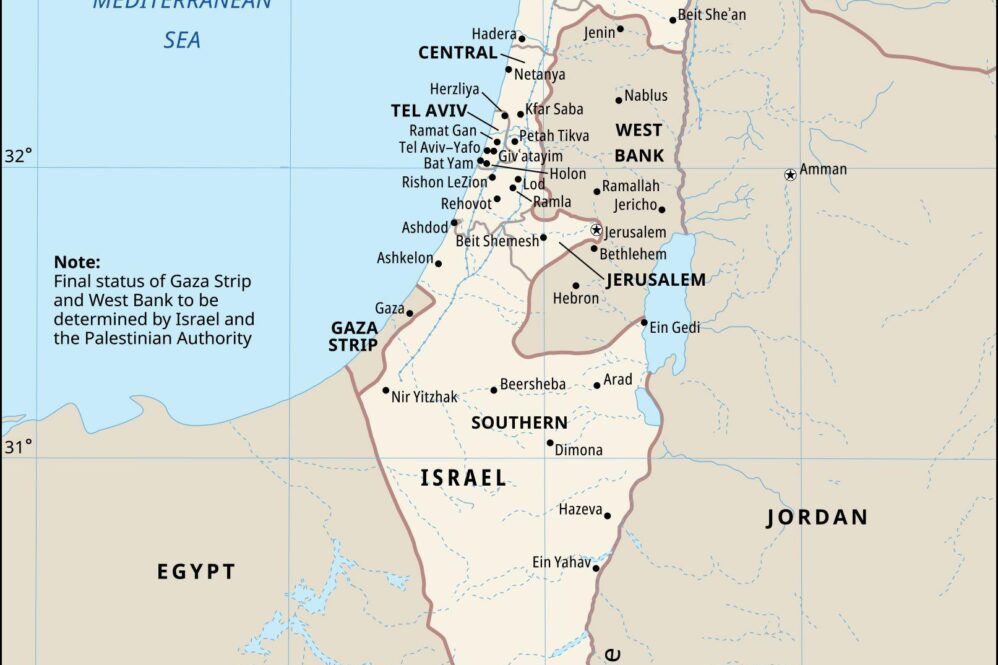
Israel Postpones Release of 620 Palestinian Prisoners Amidst Rising tensions
in a notable shift in policy, Israeli authorities have decided to delay the planned release of 620 Palestinian prisoners. This decision comes amid escalating tensions in the region, raising concerns over the ongoing Israeli-Palestinian conflict. Officials from the Israeli government indicated that the postponement was influenced by the current security surroundings, which has seen a rise in violence.
Sources close to the governance have reported that the move aims to ensure public safety and maintain order within Israeli cities. The criteria for potential releases typically prioritize inmates who have shown good behavior during incarceration; however,the intensification of unrest has prompted a reassessment of these standards.
Key factors contributing to the postponement include:
- Security Concerns: Recent incidents of violence have heightened fears, leading to a cautious approach by the Israeli administration.
- Political Pressure: Domestic political pressures and public sentiment regarding security have influenced the decision-making process.
- International Response: The fallout from this decision may affect Israel’s diplomatic relations, particularly with nations advocating for prisoner rights.
Human rights organizations have condemned the delay, arguing that it undermines efforts toward peace and reconciliation. They assert that the release of prisoners is a critical component in fostering dialog and stability in the region. As tensions continue to mount, the consequences of this decision may reverberate beyond Israel, impacting the broader geopolitical landscape.
Political and Economic Implications of Delayed prisoner Release in Israel-Palestine Relations
The delayed release of prisoners in the context of israel-Palestine relations has far-reaching political and economic implications, affecting not only the immediate parties involved but also the broader regional landscape. The handling of prisoner releases has often been a barometer of peace negotiations,and delays can lead to increased tension,perhaps destabilizing the fragile ceasefire between factions.
From a political standpoint, the postponement of prisoner releases can:
- Erode Trust: Builds resentment among the Palestinian populace towards the Israeli government, undermining faith in peace processes.
- Encourage Radicalization: Prolonged detention without hope of release can lead individuals and communities to embrace more extreme viewpoints, further complicating the peace landscape.
- Impact Political Alliances: Palestinian leaders may face pressure from factions favoring confrontational approaches, eroding support for moderate leadership.
Economically, the implications of delayed prisoner releases are equally significant. They can lead to:
- Increased economic Instability: Tensions arising from such delays can provoke unrest, disrupting local economies and further discouraging investment.
- Drain on resources: Heightened security measures in response to unrest can strain government budgets, diverting funds from crucial areas like education and healthcare.
- impede Progress Initiatives: Forward-looking economic programs aimed at fostering cooperation and development between Israeli and Palestinian entities may be jeopardized, as uncertainty mounts over the political climate.
Ultimately, the repercussions of delayed prisoner releases extend beyond the immediate stakeholders, with potential ripple effects across regional alliances and economic performance. If the cycle of tension and resentment continues, both sides may find themselves facing a worsening situation that hinders progress towards a viable, lasting peace solution.
Impact on Peace Negotiations: Analyzing the Decision to Halt Prisoner Releases
The decision to halt prisoner releases is poised to considerably alter the dynamics of ongoing peace negotiations. It reflects a strategic choice by involved parties, driven by a combination of security concerns and political calculations. The impact of this decision extends beyond the immediate context, raising questions about trust, cooperation, and the broader framework of diplomatic engagement.
One of the most immediate effects of this suspension is the potential erosion of trust between negotiating parties. Trust is essential in peace processes, frequently enough dependent on the mutual concessions made to demonstrate commitment to dialogue.By halting prisoner releases, one side may perceive this as a retreat from previously established agreements, which could signal a lack of commitment to the peace process. This breakdown in trust can lead to increased skepticism and hostility,slowing or halting progress entirely.
Furthermore, the cessation of prisoner releases can have broader implications for domestic stability within the regions involved. Public opinion often influences peace negotiations, and widespread dissatisfaction can emerge if key stakeholders feel that vital concessions, like prisoner releases, are being disregarded. This unrest could result in increased tensions, protests, or even violence, further complicating the negotiations and diverting attention from diplomatic solutions.
In addition, the decision to pause these releases may hinder the efficacy of third-party mediators. Manny peace negotiations are facilitated by external actors who advocate for concessions on both sides. By undermining the agreed-upon framework of releases, mediators may find their efforts increasingly futile, which can lead to a breakdown in the negotiation process altogether. Sustaining effective mediation requires a cooperative environment, and the halting of critical agreements jeopardizes this essential dynamic.
Ultimately, this decision not only affects the immediate parties involved but also reverberates through the international community. Stakeholders must be acutely aware of how decisions regarding prisoner releases can alter perceptions of compliance and commitment. The ongoing dialogue for peace relies on a foundation of mutual respect and good faith, which is increasingly challenged in the wake of such unilateral actions. Maintaining momentum in negotiations will require renewed efforts to rebuild trust and reassess strategic goals considering this new development.
the decision by the Israeli government to delay the release of 620 palestinian prisoners underscores the complexities of the ongoing Israeli-Palestinian conflict. As tensions remain high, stakeholders on both sides are left to grapple with the implications of this postponement on future negotiations and regional stability. The international community continues to call for dialogue and resolution, emphasizing the need for movements towards peace that honor the rights and aspirations of all involved. As developments unfold, the impact of this decision will likely reverberate beyond the immediate context, shaping the future of relations in the region.