

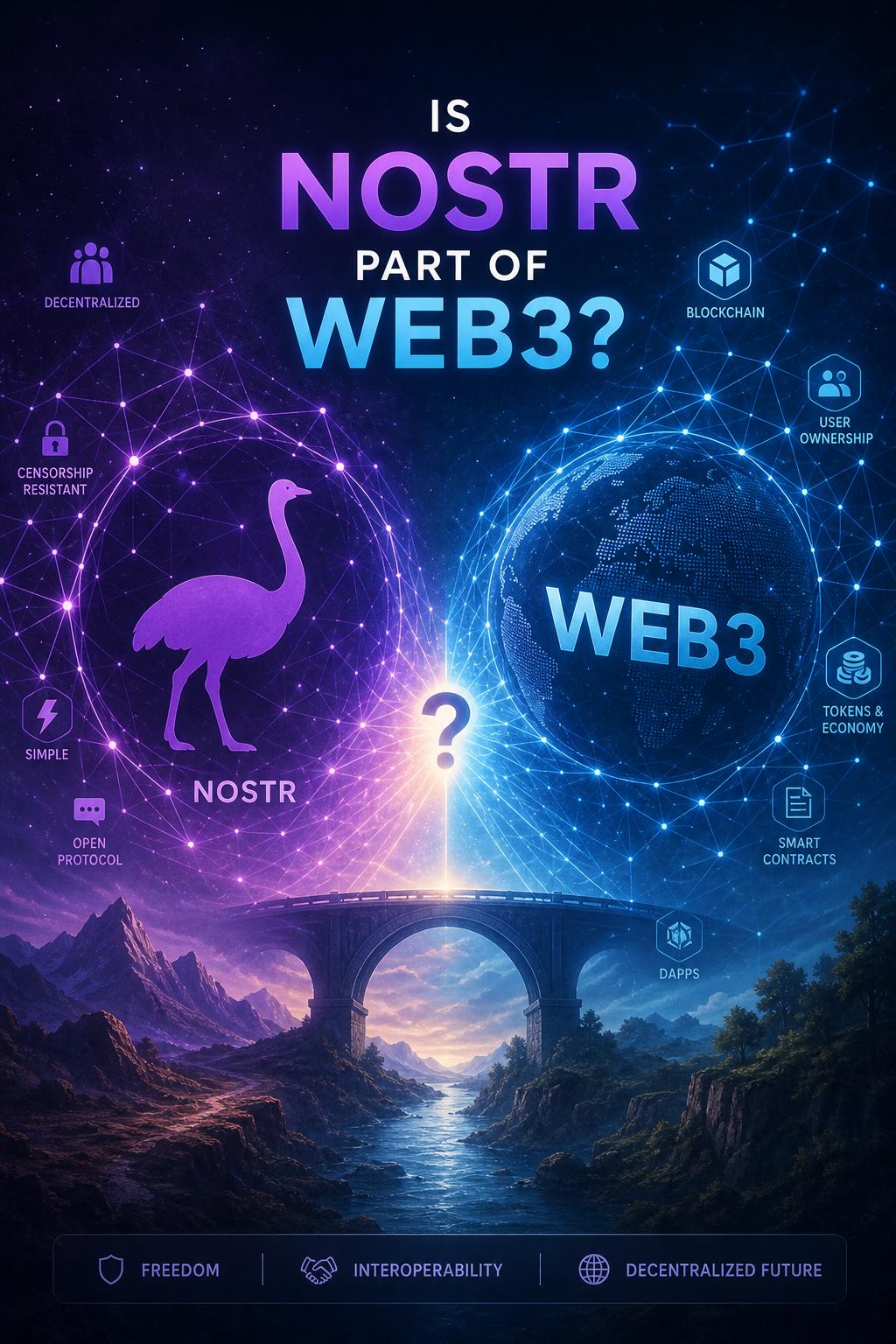
Nostr embodies several core principles frequently enough associated with the Web3 ethos, particularly decentralization and enhanced user sovereignty. Unlike customary centralized platforms, Nostr operates on a network where no single entity holds control over data or user identity. This structure aligns with Web3’s goal of returning ownership and privacy to users, making the internet more resilient against censorship and centralized gatekeeping.
Key attributes that anchor nostr within the Web3 spectrum include:
- Decentralized data storage: Users retain control over their content, with no central server dictating access.
- Permissionless participation: Anyone can join the network without needing approval from a central authority.
- Cryptographic identity verification: public-key cryptography ensures secure, verifiable digital identities without reliance on traditional credentials.
However, while Nostr exemplifies many Web3 characteristics, its simplicity and nascent ecosystem set it apart from more complex decentralized applications. Unlike blockchain platforms that integrate smart contracts and tokenomics to create programmable environments, Nostr primarily offers an uncensorable messaging layer. This focused functionality can serve as a foundational element within the broader Web3 landscape, but by itself, it might be better described as a complementary protocol rather than a fully-fledged Web3 platform.
| Web3 Components | Nostr’s Role |
|---|---|
| Decentralization | ✔ fully decentralized network |
| User Ownership | ✔ Full control of identity and data |
| Smart Contracts | ✘ Not supported |
| Token Economy | ✘ No native tokens |
| Interoperability | ✔ compatible with various clients |
Create your Nostr Profile