

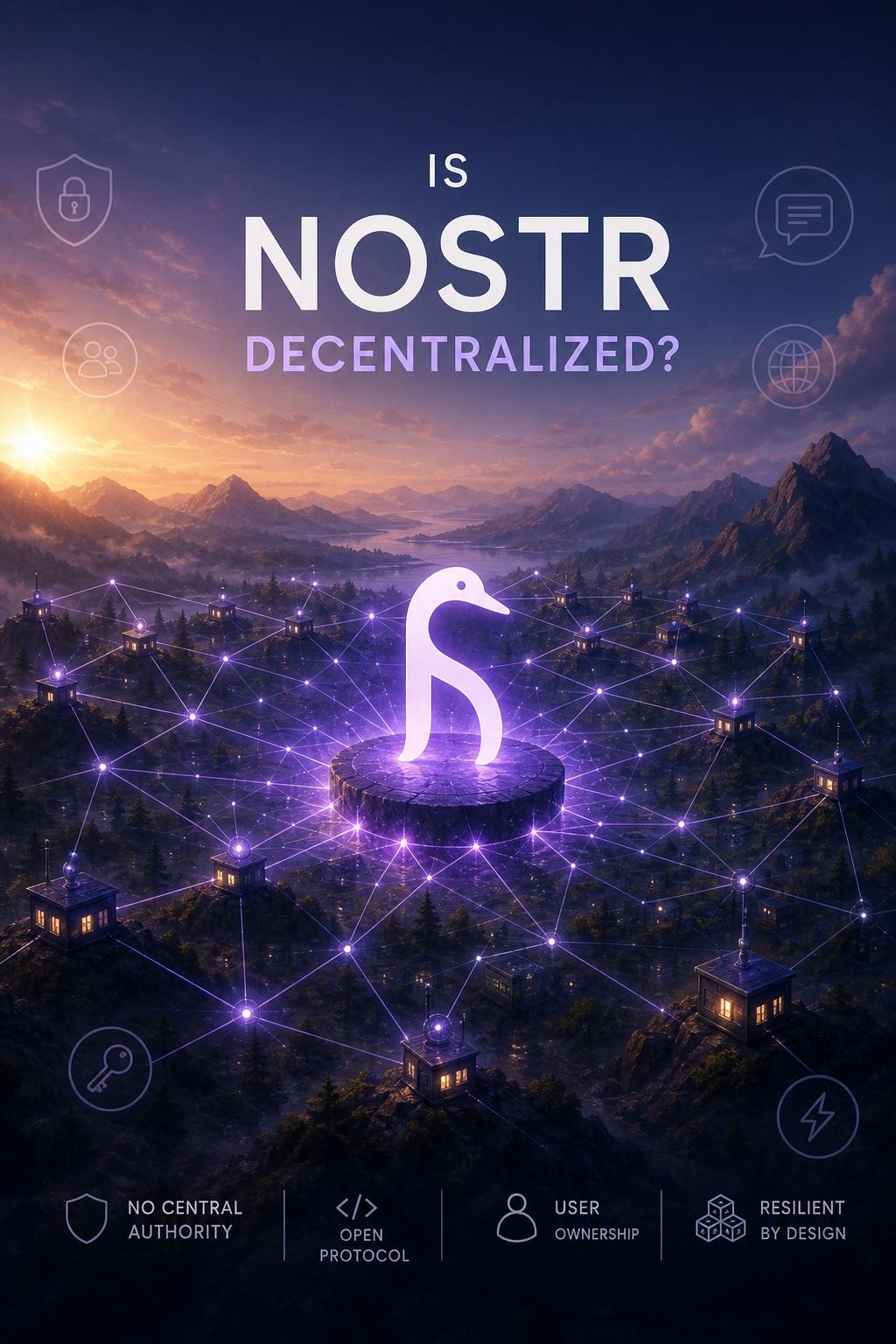
At its core, Nostr embodies the principles of decentralization by distributing control of data and connectivity across its network of self-reliant relays. Unlike traditional centralized platforms,which rely heavily on single-point servers vulnerable to censorship or failure,Nostr operates on a web of autonomous nodes that communicate using open protocols. This method not only dilutes authority but also empowers users to choose which relays to trust, thereby fostering a resilient ecosystem free from monopolistic gatekeeping.
Though, while the architecture promotes decentralization, it also introduces nuances worth scrutiny:
- Relay Dependency: Even though users can publish to any relay, popular relays aggregate a majority of content, which can inadvertently reintroduce points of influence or failure.
- Identity Verification: Users manage cryptographic keys independently, enhancing control over identity but also placing responsibility for security squarely on the individual.
- Content Persistence: Unlike blockchains, relays can opt to erase data, creating a tension between absolute immutability and practical content management.
| Aspect | Decentralized Feature | Consideration |
|---|---|---|
| Network Structure | Multiple independent relays | Relay popularity could centralize influence |
| User Identity | User-controlled cryptographic keys | Security depends on user diligence |
| data Persistence | Open relay participation | Data can be voluntarily deleted |
Ultimately, Nostr advances a compelling model of decentralization - blending autonomy, cryptographic security, and open participation – while also confronting the practical realities of network dynamics and user responsibility. This layered approach invites ongoing development and critical assessment to ensure that decentralization remains meaningful rather than merely theoretical.
Create your Nostr Profile